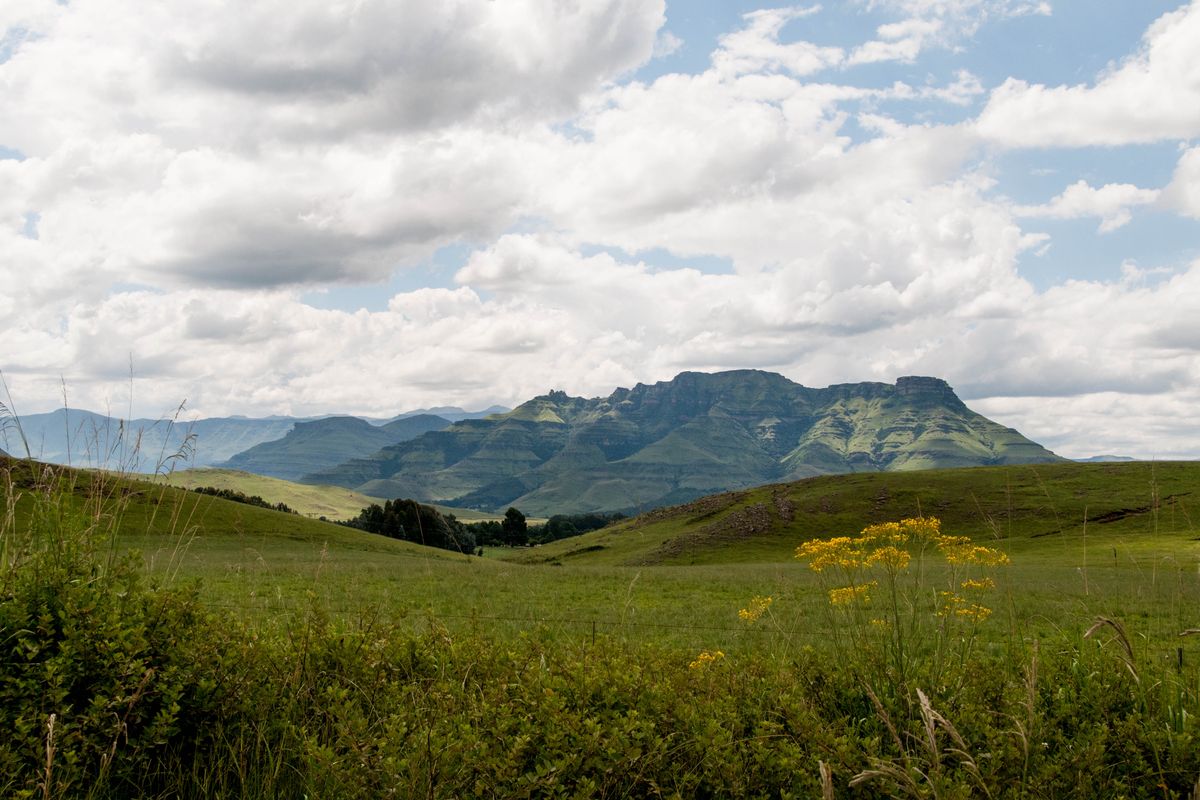
Champagne Castle
The Drakensberg's second-highest peak at 3,377m — a Monk's Cowl ascent and one of the berg's great summits.
Trip Role
Ideal stay
Best for
Our take
Champagne Castle is a serious, high-altitude objective that demands respect. It is a formidable mountain for experienced hikers, but for most visitors, it serves better as a dramatic backdrop to the valley than a summit to conquer.
Champagne Castle is a serious, high-altitude objective that demands respect. It is a formidable mountain for experienced hikers, but for most visitors, it serves better as a dramatic backdrop to the valley than a summit to conquer.
- Trip Role
- Only If Nearby
- Ideal Stay
- 10 to 14 hours for the summit, or a multi-day trip.
- Best For
- serious mountain hiking, high-altitude training, dramatic escarpment views
- Skip If
- casual walkers, families with young children, unprepared tourists
- Go If
- You are a fit, experienced hiker with high-altitude stamina and the ability to navigate steep, non-technical terrain. You want a long, challenging day out in the central Drakensberg with significant vertical gain.
Why it's worth your time
The berg's second-highest summit — a serious Monk's Cowl climb above the central Drakensberg.
What we love
The sheer scale of the massif is what sets it apart. While other peaks in the range are more technical, the climb to Champagne Castle offers a relentless, immersive experience of the high Berg that few other accessible routes can match, provided you have the legs for it.
What to know
The route starts at the Monk's Cowl conservation office. You must sign the mountain register before departing. The climb is long and strenuous, often taking a full day or more if you plan to explore the plateau. Weather is volatile; afternoon thunderstorms are common and dangerous. Always carry a map, sufficient water, and layers for sudden temperature drops.
The full guide
The Reality of the Ascent
Reaching the summit of Champagne Castle is not a casual hike. From the Monk's Cowl trailhead, you face a sustained climb that begins with the steep ascent of The Sphinx. This initial section is a lung-buster that sets the tone for the day. Once you reach the Little Berg plateau, the path continues toward the escarpment. You are looking at a long, hard day of walking that requires significant endurance. The route is non-technical in the sense that it does not require ropes, but it is physically demanding and exposed to the elements. You will spend hours on your feet, often on uneven ground, before you even approach the final climb to the plateau. It is a test of fitness rather than a test of climbing skill.
Weather and Timing
The mountain is unforgiving when the weather turns. The central Drakensberg is notorious for rapid cloud build-up and violent afternoon thunderstorms, especially in summer. If you see dark clouds gathering, turn back immediately. The mountain is often shrouded in mist, which makes navigation difficult for those who do not know the terrain. The best time to attempt the climb is during the cooler, drier months from autumn to spring. Even then, you must start at first light to ensure you are off the high ground before the weather shifts. Never attempt the climb if the forecast is uncertain. The mountain will still be there on a clear day, and there is no reason to risk your safety for a view obscured by fog.
Combining the Visit
Most visitors to the Champagne Valley find that the mountain is best enjoyed from the ground. The area around Monk's Cowl offers a variety of shorter, more manageable trails that lead to waterfalls like Sterkspruit or viewpoints that look directly up at the massif. If you are not committed to the full summit climb, spend your time exploring these lower paths. You can combine a morning walk with a visit to the local tea gardens or a performance by the Drakensberg Boys Choir. The valley is well-serviced with accommodation, making it an easy place to base yourself for a few days. Use the mountain as your anchor for the trip, but do not feel pressured to climb it to appreciate the scale of the landscape.
Before you book
Questions Champagne Castle always raises
- Do I need a permit to hike Champagne Castle?
- You must sign the mountain register at the Monk's Cowl conservation office before you set off. This is a mandatory safety procedure for all hikers entering the wilderness area. Check with the office regarding current entry fees and any specific trail closures before you arrive.
- Is the hike to the summit technical?
- The standard route from Monk's Cowl is a long, strenuous walk rather than a technical climb. You do not need ropes or specialized climbing gear, but you do need excellent physical fitness, sturdy boots, and the ability to navigate steep, rocky terrain for many hours.
- Can I hike this in a single day?
- It is possible for very fit, experienced hikers to complete the return trip in a single long day, but it is a massive undertaking. Many people prefer to turn it into a two or three-day trip by camping at one of the designated sites along the way.
- What should I pack for the hike?
- Pack for all conditions. You need a waterproof rain shell, warm layers, a hat, sunscreen, and plenty of water. Always carry a map, a compass or GPS, a headlamp, and a basic first-aid kit. Do not rely on mobile phone signal, as it is unreliable in the deep valleys.
More mountain in KwaZulu-Natal
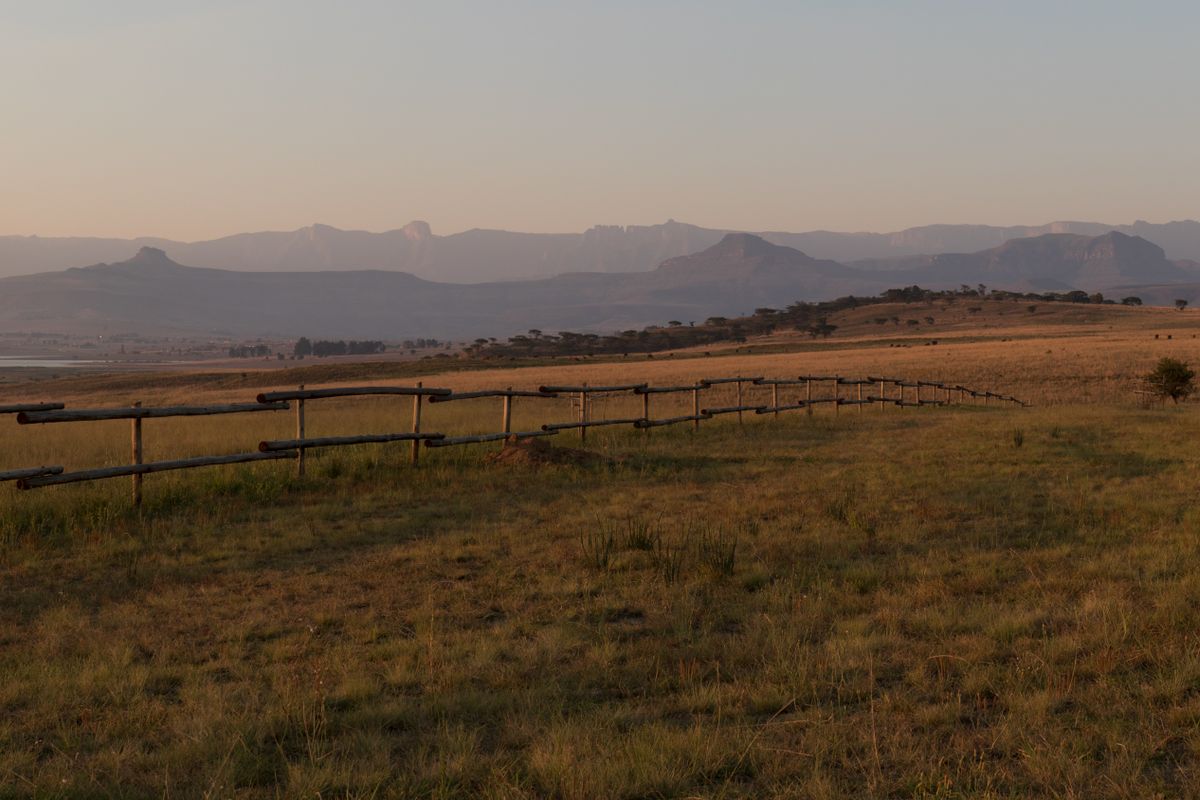
Cathedral Peak (Mountain)
A standalone Drakensberg summit — the most photographed peak in the range, climbed from the Didima valley.

Drakensberg
South Africa's great mountain range — sheer basalt escarpment, San rock art, and the country's best high-country hiking.

Mafadi
South Africa's highest peak at 3,450m — a Drakensberg escarpment summit on the Lesotho border, climbed from the Injisuthi side.

Mont-aux-Sources
A high Drakensberg massif at the source of the Tugela — the escarpment peak reached by the chain ladders.

Thabana Ntlenyana
The highest peak in southern Africa at 3,482m — technically in Lesotho but reached via the Sani Pass route from KZN.

The Amphitheatre
A five-kilometre, 1,000-metre-high basalt wall — the iconic face of the northern Drakensberg.