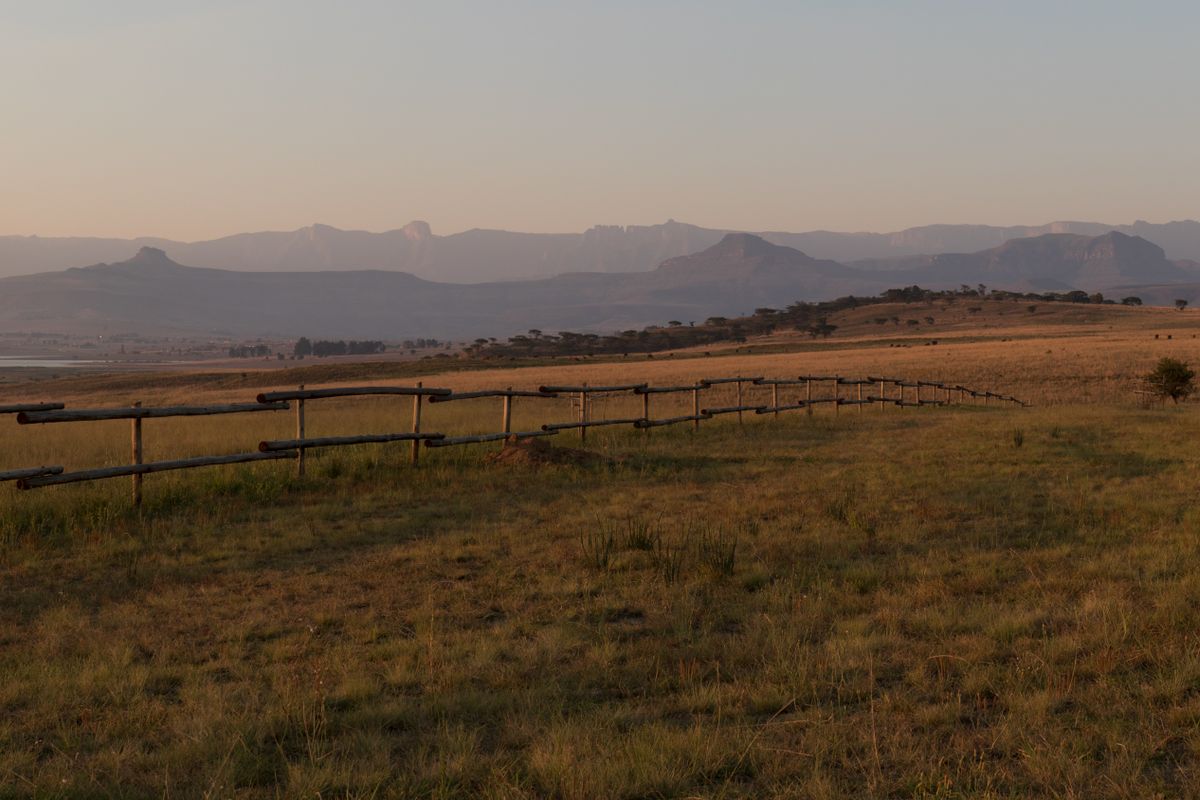
Cathedral Peak (Mountain)
A standalone Drakensberg summit — the most photographed peak in the range, climbed from the Didima valley.
Trip Role
Ideal stay
Best for
Our take
Cathedral Peak is a serious, high-altitude objective that demands respect. It is not a casual walk, but for those with the fitness and head for heights, it offers the most rewarding summit experience in the central Drakensberg.
Cathedral Peak is a serious, high-altitude objective that demands respect. It is not a casual walk, but for those with the fitness and head for heights, it offers the most rewarding summit experience in the central Drakensberg.
- Trip Role
- Worth a Detour
- Ideal Stay
- 8 to 10 hours for the summit hike.
- Best For
- challenging day hikes, exposed scrambling, dramatic mountain photography, high-altitude views
- Skip If
- casual tourists, families with small children, anyone afraid of heights
- Go If
- You are a fit, experienced hiker who enjoys exposed scrambling and wants to stand on one of the most iconic, free-standing summits in the Drakensberg range. You have a full day to spare.
Why it's worth your time
The Drakensberg's most photographed peak — a standalone summit in the central berg.
What we love
The sheer verticality of the final ascent. While many Drakensberg peaks are rounded slopes, this is a true spire. Reaching the summit feels like an earned achievement, providing a 360-degree perspective of the escarpment that you simply cannot get from the valley floor.
What to know
The summit is a full-day commitment, often taking eight to ten hours. You must start before dawn to avoid afternoon lightning, which is a genuine hazard in summer. Weather changes rapidly; even on a clear morning, the peak can be swallowed by mist or lashed by wind within an hour. Always check conditions with local staff before departing.
The full guide
The Summit Ascent
The climb to the summit is a demanding, full-day expedition that requires significant physical fitness and a head for heights. Most hikers begin from the Cathedral Peak Hotel or Didima area, following the trail toward the Cathedral Ridge. The route starts as a steady hike but quickly transitions into rugged, steep terrain. As you approach the upper sections, the path narrows and involves exposed scrambling over loose rock. While no technical climbing gear is strictly required for competent hikers, the exposure is real and the final push to the 3004-metre summit is intense. You should carry sufficient water, warm layers, and a map. If you are unfamiliar with the route or the specific challenges of Drakensberg scrambling, hiring a local guide is a sensible decision that significantly improves your safety and chances of a successful summit.
Weather and Safety
The mountain is a magnet for volatile weather. Afternoon lightning storms are common during the summer months and are life-threatening on the exposed ridges. You must start your hike in the early hours of the morning to reach the summit and begin your descent well before the clouds gather. If the weather turns or mist descends, do not hesitate to turn back; the route is easy to lose in poor visibility. Winter offers clearer, drier days, but you must be prepared for freezing temperatures, high winds, and the possibility of snow or ice on the upper ledges. Always sign the mountain register before you leave and ensure someone at your accommodation knows your planned route and expected return time. Never attempt the final scramble in wet or stormy conditions.
Alternative Ways to Experience the Peak
If you are not prepared for the full summit climb, you can still appreciate the scale of the mountain from the lower valleys. Several trails lead from the hotel and Didima camp into the surrounding gorges, such as the Rainbow Gorge, which offers a different perspective of the range through indigenous forest. For those with a vehicle, Mike's Pass provides a way to drive higher into the Little Berg for expansive views of the Cathedral range without the vertical grind. These lower-altitude options are far more accessible and allow you to enjoy the scenery at a relaxed pace. Whether you choose a short walk to a viewpoint or a strenuous hike to the base of the cliffs, the area remains one of the most visually striking parts of the entire Drakensberg.
Before you book
Questions Cathedral Peak (Mountain) always raises
- Do I need a guide to climb Cathedral Peak?
- You do not strictly need a guide if you are an experienced hiker comfortable with exposed scrambling and navigation. However, if you are unfamiliar with the Drakensberg or the specific route, a guide is highly recommended to help with the trickier sections and weather management.
- Is the hike to the summit dangerous?
- It is a serious mountain objective. The primary dangers are the exposed scrambling sections, the risk of getting lost in sudden mist, and the high probability of lightning strikes in the afternoon. It is not a hike for those with a fear of heights or limited mountain experience.
- What is the best time of year to visit?
- April through September is generally preferred. These months offer cooler, drier conditions which are ideal for long, strenuous hikes. Summer brings lush greenery but also frequent, dangerous afternoon thunderstorms that can make the summit ascent impossible or unsafe.
- Can I drive to the top of the mountain?
- No. You can drive to the base of the mountain at the Cathedral Peak Hotel or Didima area. Mike's Pass allows you to drive partway up into the Little Berg, but the summit itself is only accessible by foot.
More mountain in KwaZulu-Natal
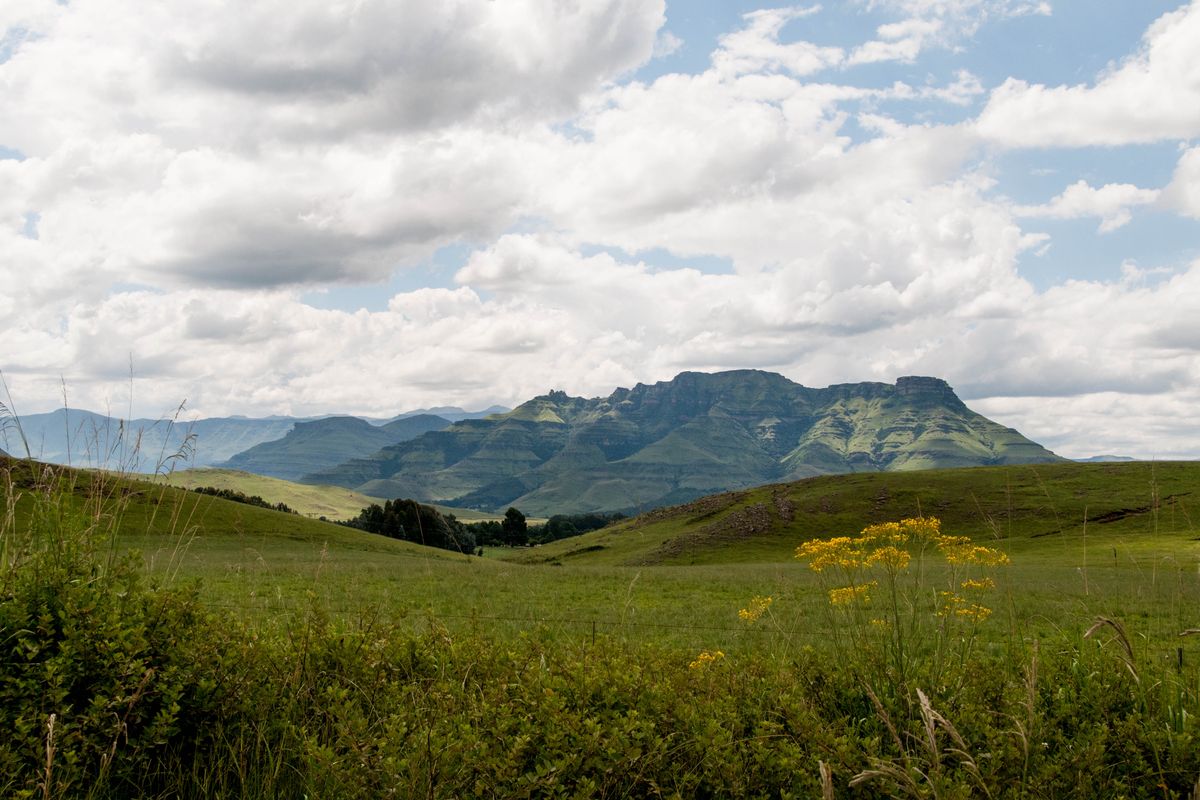
Champagne Castle
The Drakensberg's second-highest peak at 3,377m — a Monk's Cowl ascent and one of the berg's great summits.

Drakensberg
South Africa's great mountain range — sheer basalt escarpment, San rock art, and the country's best high-country hiking.

Mafadi
South Africa's highest peak at 3,450m — a Drakensberg escarpment summit on the Lesotho border, climbed from the Injisuthi side.

Mont-aux-Sources
A high Drakensberg massif at the source of the Tugela — the escarpment peak reached by the chain ladders.

Thabana Ntlenyana
The highest peak in southern Africa at 3,482m — technically in Lesotho but reached via the Sani Pass route from KZN.

The Amphitheatre
A five-kilometre, 1,000-metre-high basalt wall — the iconic face of the northern Drakensberg.