
The Amphitheatre
A five-kilometre, 1,000-metre-high basalt wall — the iconic face of the northern Drakensberg.
Trip Role
Ideal stay
Best for
Our take
The Amphitheatre is a massive, imposing basalt wall that demands respect. Whether you view it from the valley floor or climb to its summit, the scale is genuinely humbling and worth the effort for any serious mountain traveller.
The Amphitheatre is a massive, imposing basalt wall that demands respect. Whether you view it from the valley floor or climb to its summit, the scale is genuinely humbling and worth the effort for any serious mountain traveller.
- Trip Role
- Day Trip
- Ideal Stay
- Full day, 6 to 8 hours for the summit hike.
- Best For
- high-altitude hiking, dramatic cliff photography, summiting the Tugela Falls
- Skip If
- casual tourists, small children, those with a fear of heights
- Go If
- You are a fit hiker who wants to stand on the edge of a continent, or a photographer looking for the most dramatic cliff faces in the country. You must be comfortable with heights.
Why it's worth your time
Royal Natal's centerpiece. Climb the chain ladders to the top and walk the escarpment edge, or view it from the Tugela Gorge below. The scale only reads in person.
What we love
The sheer verticality of the wall is unmatched. While other mountains offer peaks, this offers a five-kilometre-wide, 1,000-metre-high barrier that makes you feel tiny. Standing at the top of the Tugela Falls, watching the water disappear over the edge, provides a perspective you cannot find anywhere else in Africa.
What to know
The access road to the Sentinel car park is notoriously rough and often requires a high-clearance 4x4 vehicle. If you do not have one, arrange a shuttle from Witsieshoek Mountain Lodge. Always check weather reports before departing, as mountain conditions change rapidly and afternoon thunderstorms are common. Carry sufficient water, warm layers, and a reliable map, as trails are exposed and navigation can be tricky in mist.
The full guide
The Summit Route
The hike from the Sentinel car park is the most direct way to reach the top of the Amphitheatre. You start at 2,500 metres and climb steadily toward the escarpment. The path is well-marked but requires steady footing. The final push involves two sets of vertical chain ladders that rise about 20 metres. If you are not comfortable with this, an alternative gully route exists, though it is steep and rocky. Once on the plateau, you are at the top of the Tugela Falls. The terrain here is vast and exposed, so keep a close eye on the weather. If clouds begin to roll in, turn back immediately. The summit is no place to be caught in a storm or thick mist.
The Valley Perspective
If you prefer to keep your feet on lower ground, the Tugela Gorge trail in Royal Natal National Park is the standard alternative. This route takes you deep into the valley, providing a constant, upward view of the basalt wall. It is a long, steady walk that is less physically demanding than the summit climb but still requires good stamina. You will follow the river, crossing through forest and grassland before reaching the base of the gorge. The scale of the Amphitheatre is arguably more impressive from down here, as you can see the full height of the cliffs rising above you. It is a safer bet when the weather on the escarpment is uncertain or when you want a less technical day out.
Logistics and Access
Getting to the start of your hike is half the battle. The Sentinel car park is accessed via a separate road from the main Royal Natal entrance, and the condition of this road varies significantly by season and maintenance. Always confirm the current state of the road with local operators before you drive. You will need to pay both a park entry fee and a separate hiking fee at the car park office. There is no public transport to these trailheads, so a rental car is essential. If you are staying in the area, Witsieshoek Mountain Lodge is the most practical base for an early start. Regardless of your chosen route, carry a physical map and ensure someone knows your planned return time, as mobile reception is unreliable.
Before you book
Questions The Amphitheatre always raises
- Is the hike to the top of the Amphitheatre dangerous?
- It is a serious mountain hike. The chain ladders are exposed, and the terrain is steep. If you are fit and comfortable with heights, it is manageable, but bad weather or poor preparation can make it dangerous. Always check conditions and carry proper gear.
- Do I need a 4x4 to reach the Sentinel car park?
- The road is very rough and rocky. A high-clearance vehicle is strongly advised. If you do not have one, many visitors use the shuttle service provided by Witsieshoek Mountain Lodge to avoid damaging their own car.
- Can I see the Tugela Falls from the bottom?
- Yes, the Tugela Gorge trail in Royal Natal National Park offers a view of the falls from the valley floor. It is a long, beautiful walk that provides a different perspective than the summit route.
- What is the best time of year to visit?
- March to May is generally ideal, as the weather is cooler and more stable. Summer brings the strongest waterfall flow but also frequent, dangerous afternoon thunderstorms. Winter is dry but very cold, especially on the high escarpment.
More mountain in KwaZulu-Natal
Cathedral Peak (Mountain)
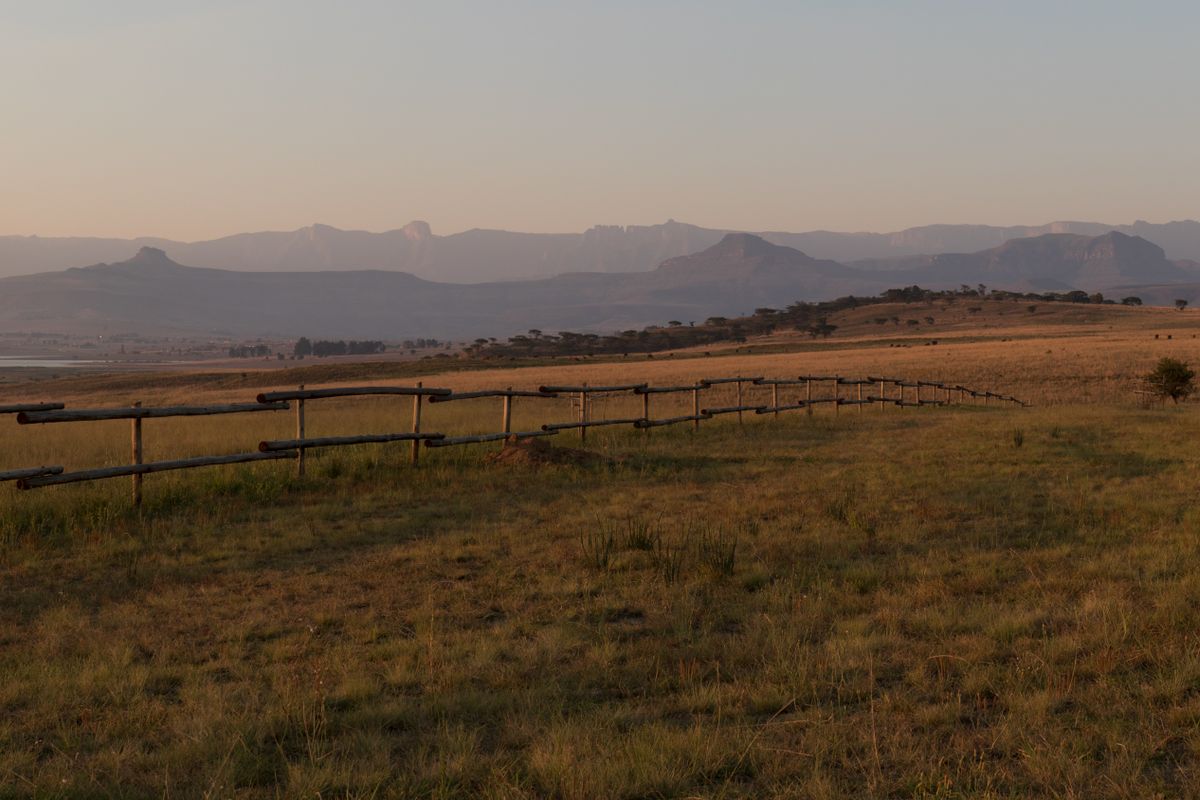
A standalone Drakensberg summit — the most photographed peak in the range, climbed from the Didima valley.
Champagne Castle
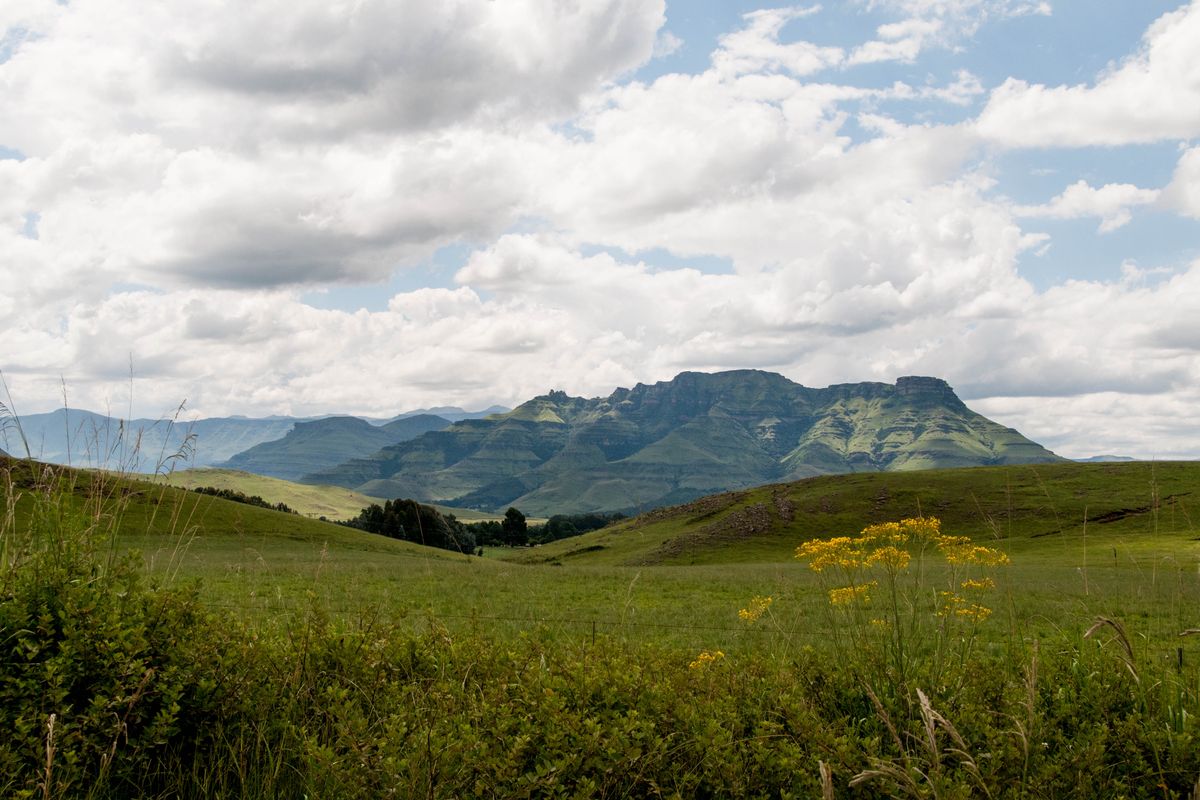
The Drakensberg's second-highest peak at 3,377m — a Monk's Cowl ascent and one of the berg's great summits.

Drakensberg
South Africa's great mountain range — sheer basalt escarpment, San rock art, and the country's best high-country hiking.

Mafadi
South Africa's highest peak at 3,450m — a Drakensberg escarpment summit on the Lesotho border, climbed from the Injisuthi side.

Mont-aux-Sources
A high Drakensberg massif at the source of the Tugela — the escarpment peak reached by the chain ladders.

Thabana Ntlenyana
The highest peak in southern Africa at 3,482m — technically in Lesotho but reached via the Sani Pass route from KZN.