
Seven Passes Road
The old Knysna–George forest road with seven historic passes — a slow, forested alternative to the N2.
Trip Role
Ideal stay
Best for
Our take
This is a slow, deliberate alternative to the N2 that trades speed for forest atmosphere. It is a historic, winding route that demands patience and rewards those who prefer the journey over the destination.
This is a slow, deliberate alternative to the N2 that trades speed for forest atmosphere. It is a historic, winding route that demands patience and rewards those who prefer the journey over the destination.
- Trip Role
- Worth a Detour
- Ideal Stay
- four to six hours, including stops
- Best For
- scenic forest driving, historic bridges, quiet country lanes, birding, photography
- Skip If
- commuters, impatient drivers, low-clearance vehicles, night driving
- Go If
- You have a full day to spare, enjoy driving on gravel, and want to see the indigenous forests and river gorges that the modern highway bypasses entirely. It is for the unhurried traveller.
Why it's worth your time
The slow forest alternative to the N2 — seven historic passes through the Knysna forests.
What we love
The road forces you to engage with the landscape rather than just passing through it. You cross ten rivers and seven gorges, moving through dense indigenous forest that feels entirely removed from the busy coastal highway just a few kilometres away.
What to know
The route is a mix of tar and gravel, and conditions vary significantly by season and recent weather. Some sections are prone to flooding and corrugation. Always check with local visitor centres regarding current road closures or damage before setting off, as parts of the route are occasionally restricted for repairs.
The full guide
The route and direction
The route connects George and Knysna, running roughly parallel to the N2. Driving from Knysna towards George is a popular choice, as it allows you to start with the Phantom Pass and move through the forest sections before reaching the more open terrain near George. You can drive it in either direction, but the experience remains the same: a series of zig-zags that descend into river valleys and climb back out. The road is not a single continuous highway but a collection of historic segments. It is best to treat it as a full-day excursion rather than a transit route. If you are starting from Knysna, look for the turn-off near the lagoon to begin the Phantom Pass. From George, the route begins near the Garden Route Dam.
The road surface and hazards
Expect a mix of surfaces. Some sections are smooth tar, while others are narrow, winding gravel. The gravel portions can be corrugated, which makes for a bumpy ride and reduces traction, especially on corners. There are no safety shoulders, and the road is often narrow enough that passing oncoming traffic requires care. You will encounter steep gradients and sharp bends throughout the seven passes. The road was built to follow the natural contours of the landscape, meaning it is rarely straight. During or after heavy rain, the gravel sections become slippery and certain river crossings may be prone to flooding. Always drive slowly, keep your headlights on, and be prepared to pull over at designated spots to let faster vehicles pass if necessary.
Timing and conditions
This is a daylight-only drive. The lack of lighting, the presence of wildlife like kudu, and the narrow, winding nature of the road make it dangerous after dark. Plan to finish your drive well before sunset. Traffic is generally light, but you should remain alert for local farm vehicles and livestock. The best time to drive is during dry weather, as rain significantly impacts the quality of the gravel sections. If the weather has been poor, check the status of the road with local tourism offices before you leave. Avoid the route if you are in a rush, as the tight corners and lack of overtaking opportunities mean you will be stuck behind any slow-moving traffic you encounter. Take your time and use the pull-offs to enjoy the scenery.
Before you book
Questions Seven Passes Road always raises
- Is the Seven Passes Road suitable for a standard sedan?
- Most of the route is manageable in a standard sedan, provided you drive slowly and carefully. However, the road surface varies, and some gravel sections can be rough or corrugated. If you have a low-clearance vehicle, take extra caution and avoid the route entirely after heavy rain.
- Can I drive the Seven Passes Road at night?
- No. The road is unlit, narrow, and winding, with steep drop-offs and no safety shoulders. There is also a high risk of encountering wildlife, such as kudu, on the road. It is strictly a daylight-only route for your own safety.
- How long does it take to drive the full route?
- While the distance is roughly 75 kilometres, the winding nature of the road and the need for caution mean it will take at least four to six hours. This estimate includes time for stops at the various passes and viewpoints.
- Are there places to get fuel or food along the way?
- Services are very limited along the route. You should fill your tank in either George or Knysna before you start. Pack your own water, snacks, or a picnic, as there are no reliable shops or petrol stations once you are on the forest road.
More mountain pass in Western Cape

Bainskloof Pass
Another Thomas Bain pass, linking Wellington to the Ceres Valley over the Limietberg.
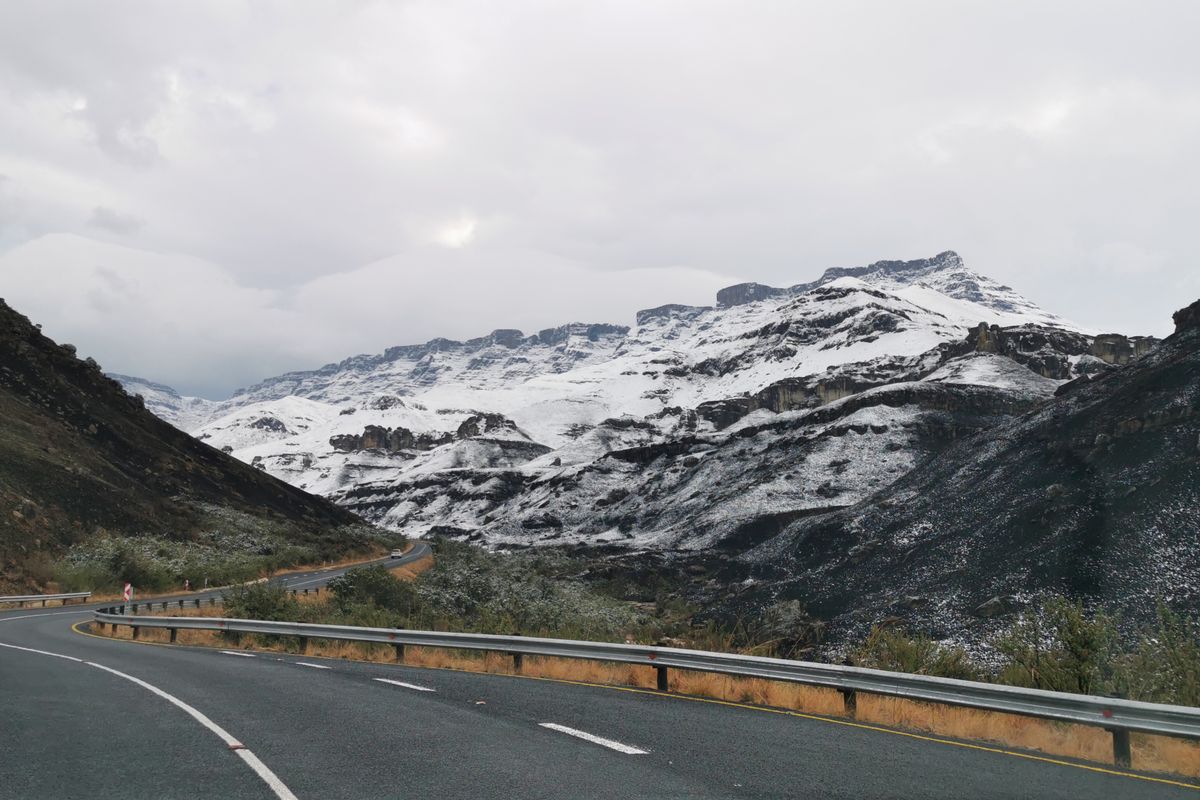
Bloukrans Pass
A steep Tsitsikamma pass down to the Bloukrans River — the road beside the world's highest bungee bridge.

Grootrivier Pass
The pass that drops into the Tsitsikamma Groot River gorge — the dramatic eastern end of the Garden Route.
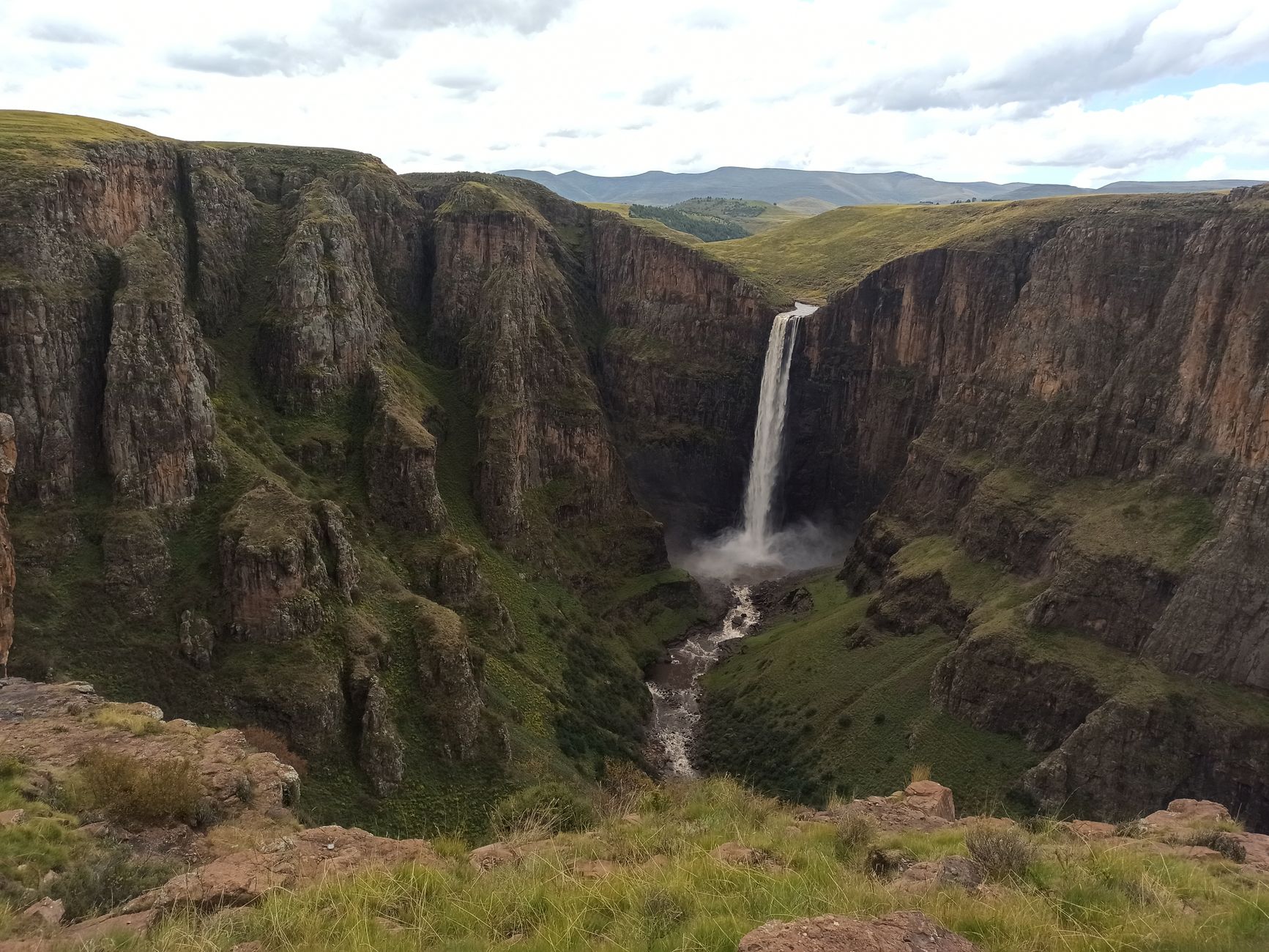
Meiringspoort
A spectacular road that threads a gorge through the Swartberg, crossing the river 25 times.

Outeniqua Pass
The modern N9/N12 pass over the Outeniqua range to George — the main route to the Klein Karoo and Oudtshoorn.

Robinson Pass
The R62 pass over the Outeniqua between Oudtshoorn and the coast at Mossel Bay — the Klein Karoo's dramatic drop to the sea.