
Robinson Pass
The R62 pass over the Outeniqua between Oudtshoorn and the coast at Mossel Bay — the Klein Karoo's dramatic drop to the sea.
Trip Role
Ideal stay
Best for
Our take
Robinson Pass is a reliable, well-engineered tarred route that serves as a functional and scenic link between the Klein Karoo and the coast. It is a steady, predictable drive that prioritises efficiency over high-adrenaline mountain drama.
Robinson Pass is a reliable, well-engineered tarred route that serves as a functional and scenic link between the Klein Karoo and the coast. It is a steady, predictable drive that prioritises efficiency over high-adrenaline mountain drama.
- Trip Role
- Worth a Detour
- Ideal Stay
- 30 to 45 minutes, excluding time spent at summit viewpoints.
- Best For
- efficient transit, mountain views, accessible tarred driving, Klein Karoo access
- Skip If
- off-road enthusiasts, those seeking total isolation, nervous drivers in mist
- Go If
- You are travelling between Oudtshoorn and Mossel Bay and prefer a modern, paved road over the more challenging or gravel alternatives. It suits those who want a straightforward, scenic transit through the Outeniqua range.
Why it's worth your time
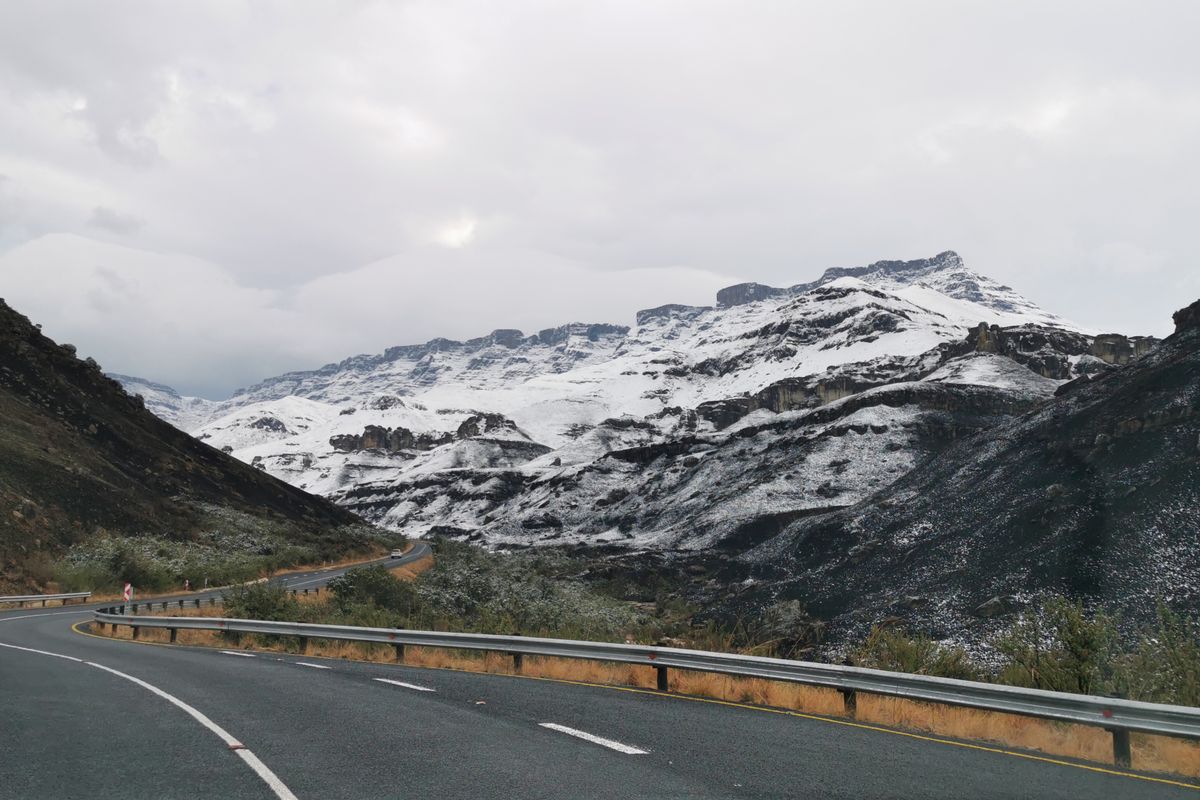
The R62 drop from the Klein Karoo to the sea — the Robinson pass over the Outeniqua.
What we love
The transition from the lush, forested southern slopes to the arid, open expanse of the Klein Karoo is sharp and satisfying. The road is engineered to handle the climb with grace, allowing you to focus on the changing vegetation and the sweeping curves rather than fighting the terrain.
What to know
The pass is prone to sudden, dense mountain mists and heavy rainfall that can reduce visibility to a few metres. Check local weather forecasts before departing, as conditions at the summit often differ significantly from the coast or the valley floor. Stick to the posted speed limits, which are set for safety on the tighter bends.
The full guide
The Route and Direction
The pass connects the coastal town of Mossel Bay with the inland centre of Oudtshoorn via the R328. Driving it in either direction is equally straightforward, though heading north from the coast provides a gradual introduction to the Klein Karoo landscape. The route is a primary link, meaning it is well-signposted and easy to navigate. If you are coming from Cape Town, factor in the drive to either town before starting the pass itself. There is no single best direction, but morning light is generally superior for photography if you are travelling north, as the sun illuminates the Karoo plains ahead. The road is a public thoroughfare, so expect a mix of local traffic, tourists, and commercial vehicles throughout the day.
Road Surface and Conditions
The road is fully tarred and engineered to a high standard, making it accessible to all vehicle types in fair weather. You will encounter sweeping curves and several tighter bends as you climb the Outeniqua Mountains. While the surface is stable, the pass has a history of accidents, and the presence of a memorial stone serves as a reminder to remain vigilant. The gradients are manageable, but the road can be narrow in sections with steep drop-offs. There are designated pull-offs at the summit, which are the only safe places to stop and admire the views. Do not attempt to stop on the shoulders of the road, as they are often narrow and dangerous. Always keep your headlights on if visibility drops due to mist or rain.
Timing and Weather
The Outeniqua range is a weather barrier, and the pass is frequently subject to rapid changes. Dense mountain mists can descend quickly, particularly in the afternoons, turning a clear drive into a low-visibility crawl. If you encounter thick fog, reduce your speed significantly and increase your following distance, as commercial trucks also use this route. The pass is generally open year-round, but heavy rain can occasionally lead to temporary closures or hazardous conditions. It is best to plan your crossing for the morning when the air is typically clearer. If you find the weather turning while you are already on the road, stay patient and keep to the speed limits. The views from the summit are rewarding, but they are entirely dependent on the cloud cover on the day.
Before you book
Questions Robinson Pass always raises
- Is the Robinson Pass suitable for a standard sedan?
- Yes, the pass is fully tarred and well-maintained. It is suitable for any standard vehicle, including small cars and motorhomes, provided you drive according to the conditions and respect the speed limits.
- Are there places to stop for photos?
- There are designated pull-offs at the summit of the pass specifically for travellers to stop and view the scenery. These are the only safe places to pull over; do not stop on the road shoulders elsewhere.
- How long does it take to drive the pass?
- The drive itself takes about 30 to 45 minutes of actual time behind the wheel. You should add extra time if you plan to stop at the summit viewpoints to take photographs or stretch your legs.
- Is the pass dangerous in bad weather?
- The pass can be dangerous during heavy rain or thick mist, which are common in the mountains. Visibility can drop to a few metres, and the road surface may become slippery. Drive slowly and use your lights.
More mountain pass in Western Cape

Bainskloof Pass
Another Thomas Bain pass, linking Wellington to the Ceres Valley over the Limietberg.
Bloukrans Pass
A steep Tsitsikamma pass down to the Bloukrans River — the road beside the world's highest bungee bridge.

Grootrivier Pass
The pass that drops into the Tsitsikamma Groot River gorge — the dramatic eastern end of the Garden Route.

Meiringspoort
A spectacular road that threads a gorge through the Swartberg, crossing the river 25 times.

Outeniqua Pass
The modern N9/N12 pass over the Outeniqua range to George — the main route to the Klein Karoo and Oudtshoorn.

Seven Passes Road
The old Knysna–George forest road with seven historic passes — a slow, forested alternative to the N2.