
Robertson Wine Valley
A warm, good-value valley on the Breede River, known for MCC, Chardonnay, and riverside lunches.
Trip Role
Ideal stay
Best for
Our take
Robertson is the unpretentious, hardworking alternative to the polished Cape Winelands. It offers serious Chardonnay and Cap Classique at honest prices, delivered in a relaxed, rural setting that prioritises local life over tourist spectacle.
Robertson is the unpretentious, hardworking alternative to the polished Cape Winelands. It offers serious Chardonnay and Cap Classique at honest prices, delivered in a relaxed, rural setting that prioritises local life over tourist spectacle.
- Trip Role
- Worth a Detour
- Ideal Stay
- 1 to 2 days
- Best For
- Chardonnay, Cap Classique, value-for-money, riverside lunches, unhurried tasting experiences
- Skip If
- luxury seekers, day-trippers from Cape Town, fans of formal service
- Go If
- You want to escape the tour buses and high-pressure tasting rooms of Stellenbosch. This is for the traveller who values a quiet, authentic atmosphere and wants to drink well without the premium price tag.
Why it's worth your time
Off the main tourist track and the better for it. Good-value tastings, sparkling wine (MCC), and a slower pace than the Cape Town day-trip regions.
What we love
The valley feels like a working community rather than a theme park. You can sit in a tasting room that hums with local conversation, enjoy a glass of excellent sparkling wine by the river, and feel like you have stumbled into a place that exists for its own sake.
What to know
Distances between farms are significant, so you must plan your route carefully to avoid excessive driving. Many smaller boutique producers operate by appointment only, and tasting rooms often close early on weekends. Always check the specific estate website or call ahead to confirm their hours before you set out.
The full guide
The Valley Character
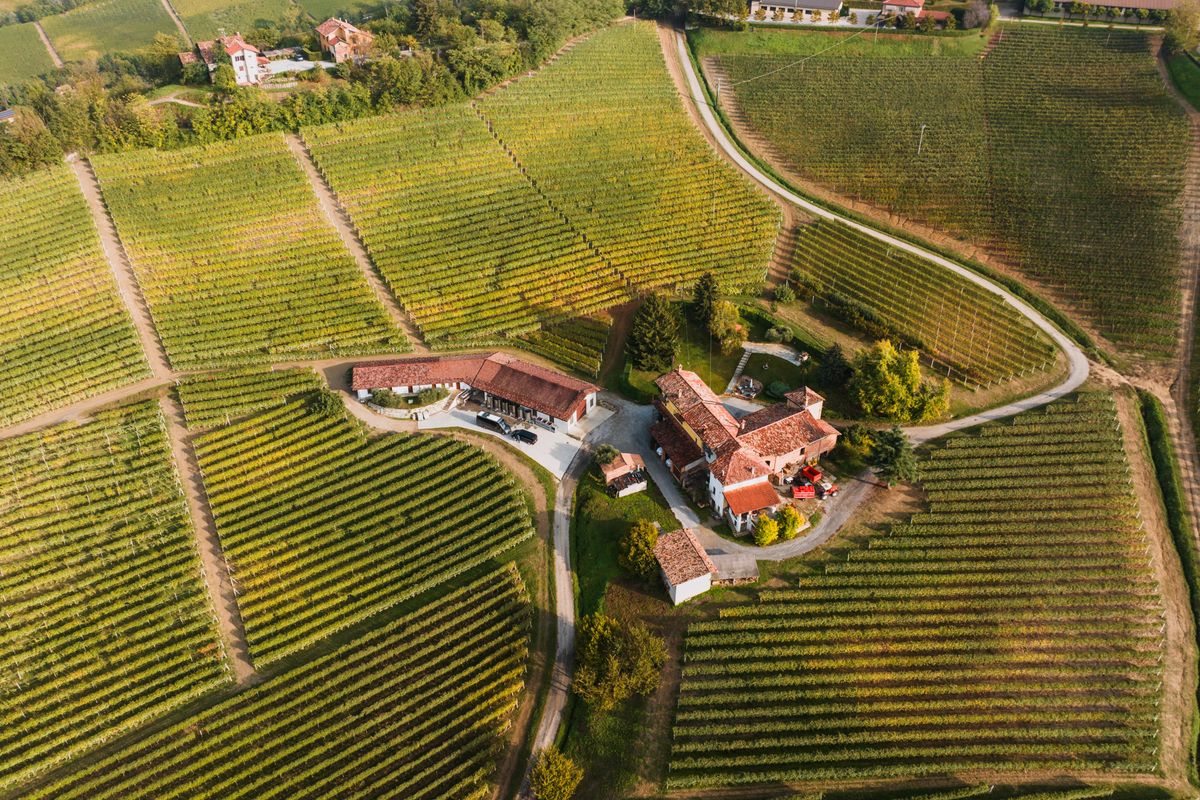
Robertson sits in the Breede River Valley, separated from the coastal wine regions by mountain ranges. This inland position creates a hot, dry climate that relies on irrigation, resulting in a distinct terroir. While Stellenbosch and Franschhoek lean into their historic, polished reputations, Robertson remains a functional agricultural hub. The valley is defined by its lime-rich soils, which produce high-quality Chardonnay and Cap Classique. You will find a mix of large, efficient producers and small, family-run boutique farms. The atmosphere is consistently laid-back, with tasting rooms that prioritise accessibility and value over exclusivity. It is a place where the local farming community remains the primary focus, and the wine tourism infrastructure is designed to support that reality rather than replace it.
Structuring Your Tasting Day
A successful day in Robertson requires a strategy. Because the farms are spread out along the Breede River and the surrounding mountain foothills, you should group your visits by sub-area to minimise time spent in the car. Start your morning at one of the larger, well-known estates to get a baseline for the region's signature sparkling wines. By midday, transition to a smaller, appointment-only producer or a riverside farm for lunch. Booking ahead is essential for the smaller spots, as owners often host tastings personally. Tasting fees vary significantly between estates, and some offer tiered options based on the glassware or the range of wines provided. Always designate a driver, as the distances between farms are longer than in the more compact Cape wine regions.
Timing Your Visit
The valley is at its best during the spring and summer months when the river is active and the landscape is vibrant. However, be prepared for high temperatures during the peak of summer. If you prefer cooler weather, the shoulder seasons offer a more temperate experience, though the valley can become quite cold in mid-winter. Regardless of the season, the rhythm of the valley is dictated by the weekend. Many tasting rooms have limited hours on Saturdays and may be closed on Sundays, so verify your itinerary before leaving your base. If you are visiting during a festival weekend, expect the valley to be significantly busier than usual, which may impact your ability to secure last-minute tastings or restaurant tables.
Before you book
Questions Robertson Wine Valley always raises
- Is it possible to visit Robertson as a day trip from Cape Town?
- While technically possible, it is not recommended. The drive takes at least two hours each way, which leaves very little time to actually enjoy the wine farms. You will spend most of your day in the car rather than experiencing the valley's relaxed pace.
- Do I need to book wine tastings in advance?
- For larger, commercial estates, you can often walk in. However, many of the best boutique producers and family-run farms operate strictly by appointment. If you have specific estates in mind, always call or email ahead to ensure they can accommodate you.
- What is the best way to get around the valley?
- You need your own vehicle or a private driver. There is no public transport between the wine farms, and the distances are too great for cycling or walking. Given the nature of wine tasting, hiring a local driver for the day is the safest and most comfortable option.
- Are the wines in Robertson different from those in Stellenbosch?
- Yes. Robertson is warmer and drier, which produces different flavour profiles. The region is particularly famous for its Chardonnay and Cap Classique, which benefit from the lime-rich soils. You will also find excellent Shiraz and Cabernet Sauvignon that reflect the inland heat of the valley.
What's here
Also in Robertson Wine Valley
De Wetshof
A Robertson estate that's the country's reference point for Chardonnay.

Graham Beck
A Robertson estate best known for its Méthode Cap Classique — the country's most-respected sparkling.

Springfield Estate
A family-run Robertson estate making old-world, minimal-intervention reds and Sauvignon Blanc.
Pair it with

More wine region in Western Cape

Breedekloof Wine Region
A river-valley wine region near Rawsonville, known for Chenin Blanc and value.

Constantia
Cape Town's own wine valley — the closest vineyards to the city, and the easiest half-day.

Durbanville Wine Valley
The closest wine region to Cape Town's northern suburbs — Sauvignon Blanc and easy half-days.

Elgin Wine Region
A cool, high-altitude apple-growing basin on the N2 — the Cape's cool-climate secret.

Franschhoek Wine Region
A food-led valley of Huguenot heritage, tasting rooms that double as lunch destinations, and the wine tram.

Hemel-en-Aarde Valley
A cool-climate valley behind Hermanus, famous for Pinot Noir and Chardonnay and improving fast.