
Hemel-en-Aarde Valley
A cool-climate valley behind Hermanus, famous for Pinot Noir and Chardonnay and improving fast.
Trip Role
Ideal stay
Best for
Our take
This is the premier destination for cool-climate Chardonnay and Pinot Noir in South Africa. It offers a sophisticated, focused tasting experience that feels more intimate and less commercial than the crowded estates of Stellenbosch or Franschhoek.
This is the premier destination for cool-climate Chardonnay and Pinot Noir in South Africa. It offers a sophisticated, focused tasting experience that feels more intimate and less commercial than the crowded estates of Stellenbosch or Franschhoek.
- Trip Role
- Worth a Detour
- Ideal Stay
- One full day, plus the drive from Cape Town.
- Best For
- Pinot Noir, Chardonnay, cool-climate viticulture, intimate boutique tasting rooms
- Skip If
- large tour groups, travellers seeking sweet wines or heavy reds
- Go If
- You are a serious wine enthusiast who prioritises terroir-driven, elegant wines over massive estates. It suits travellers who enjoy a slower pace and want to understand how geography influences the glass.
Why it's worth your time
The region that's changed most in a decade. Worth the drive from Cape Town; pair it with a Whale Coast day. Small valley, good tasting rooms, serious cool-climate wine.
What we love
The valley’s commitment to a narrow focus is its greatest strength. While other regions try to be everything to everyone, Hemel-en-Aarde masters two varieties. The result is a cohesive, high-quality experience where you can actually taste the subtle differences that soil and elevation make across the three distinct wards.
What to know
The region is divided into three official wards: Hemel-en-Aarde Valley, Upper Hemel-en-Aarde Valley, and the Hemel-en-Aarde Ridge. They run in sequence along one road, moving inland from the coast. Tasting uphill is the best way to experience the shift in climate and soil. Always book your tastings in advance, as many boutique estates cannot accommodate walk-ins.
The full guide
Navigating the Three Wards
The valley is not a single uniform stretch but a series of three distinct wards that climb inland from the coast. The Hemel-en-Aarde Valley is the lowest section, closest to the ocean, where the cooling maritime influence is strongest. As you move into the Upper Hemel-en-Aarde Valley and finally the Hemel-en-Aarde Ridge, the elevation increases and the soil composition shifts. Understanding this progression is essential for a meaningful visit. By tasting the same grape variety at one estate in the lower valley and another on the ridge, you can physically sense how the terroir changes the structure and acidity of the wine. Do not treat these as interchangeable stops. Plan your route to move steadily uphill, which allows your palate to adjust to the increasing intensity and complexity of the wines as you progress.
Structuring a Tasting Day
A successful day here requires discipline. Because the estates are boutique and often family-run, they do not operate like the high-volume tourist centres found elsewhere. You must book your tastings in advance, especially for lunch or food-paired experiences. Driving between farms is straightforward, but the winding road demands a sober driver. If you plan to taste seriously, consider hiring a local driver or using a private transfer service from Hermanus. Limit your itinerary to three estates per day. This allows for a relaxed pace where you can engage with the staff and actually enjoy the wine rather than rushing to meet a schedule. Many estates offer food pairings that are designed to highlight the specific characteristics of their Chardonnay and Pinot Noir, so look for these options when you make your reservations.
Timing and Logistics
The region is a ninety-minute drive from Cape Town, making it a viable day trip, though staying in Hermanus allows for a much more relaxed experience. The best time to visit is during the shoulder seasons when the weather is mild and the vineyards are active. Avoid the peak summer holidays if you prefer quiet, as the proximity to the coast brings significant traffic. If you are also interested in whale watching, do not try to combine it with a full day of wine tasting. The two activities are distinct and deserve their own time. Check the status of individual estates before you travel, as opening hours and tasting availability can vary by season and day of the week. A little logistical planning ensures you spend your time in the glass, not in the car.
Before you book
Questions Hemel-en-Aarde Valley always raises
- Do I need to book my wine tastings in advance?
- Yes. Most estates in the valley are boutique operations that prioritise seated, guided tastings. Showing up without a booking often results in being turned away or having to wait for a long time. Always check the estate website or call ahead to secure your spot.
- Is it possible to visit without a car?
- It is difficult. While you can take a taxi or transfer from Hermanus, there is no public transport that services the wine route. If you do not have a car, hiring a private driver for the day is the safest and most practical way to visit multiple estates.
- Are the wines here better than those in Stellenbosch?
- They are different. Hemel-en-Aarde is specifically known for cool-climate Chardonnay and Pinot Noir, which often show more elegance and acidity than the wines from the warmer Stellenbosch region. Whether they are better is a matter of personal taste, but they are certainly more focused.
- Can I walk between the wine estates?
- No. While the estates are relatively close to each other, the road is winding and lacks pedestrian infrastructure. The distances are further than they appear on a map, and the traffic makes walking along the road dangerous. Use a vehicle to move between the different farms.
What's here
Also in Hemel-en-Aarde Valley
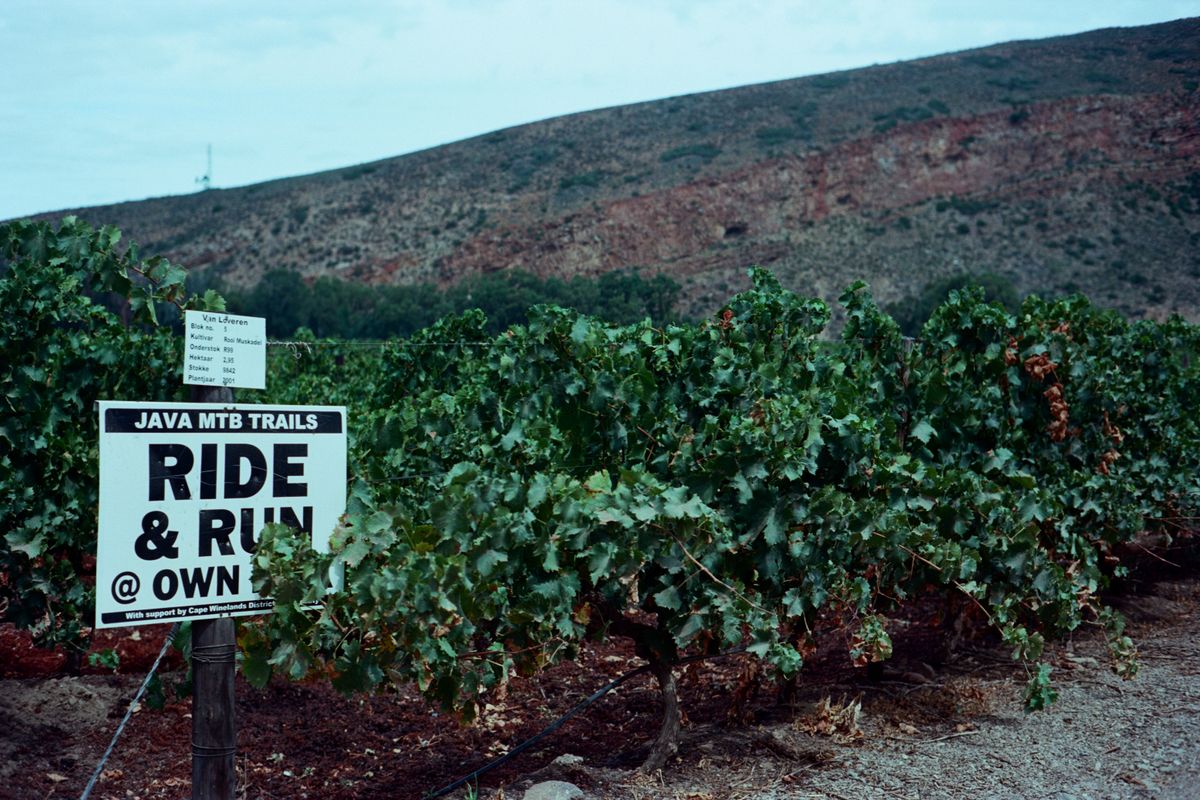
Bouchard Finlayson
A Hemel-en-Aarde estate specialising in Pinot Noir, with an accessible cellar-door tasting.
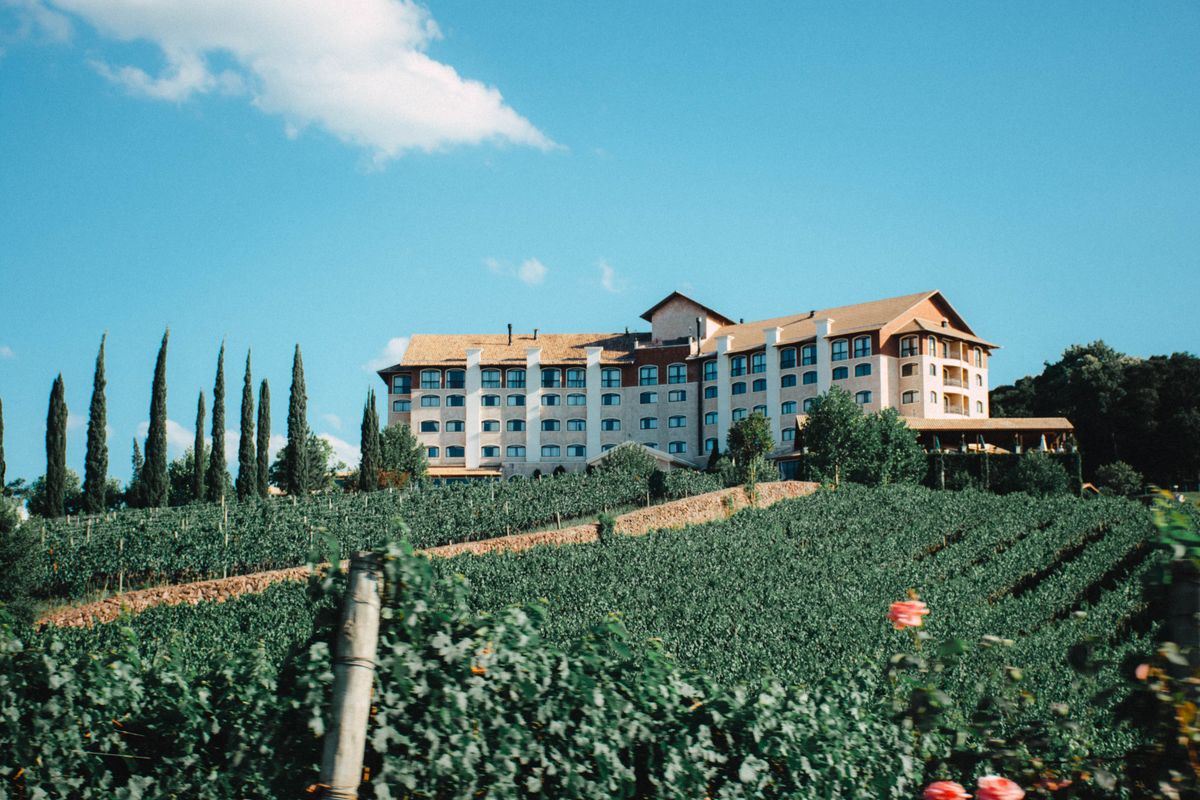
Creation Wines
A Hemel-en-Aarde estate known for food-and-wine pairings and a hilltop tasting room.

Hamilton Russell Vineyards
The estate that put South African Pinot Noir on the map, in the Hemel-en-Aarde valley.

Newton Johnson
A family-run Hemel-en-Aarde estate with a hilltop restaurant and serious Pinot and Chardonnay.
Pair it with

More wine region in Western Cape

Breedekloof Wine Region
A river-valley wine region near Rawsonville, known for Chenin Blanc and value.
Constantia
Cape Town's own wine valley — the closest vineyards to the city, and the easiest half-day.

Durbanville Wine Valley
The closest wine region to Cape Town's northern suburbs — Sauvignon Blanc and easy half-days.

Elgin Wine Region
A cool, high-altitude apple-growing basin on the N2 — the Cape's cool-climate secret.

Franschhoek Wine Region
A food-led valley of Huguenot heritage, tasting rooms that double as lunch destinations, and the wine tram.

Paarl Wine Region
A historic wine region under a giant granite dome, with serious reds and old estates.