
Franschhoek Wine Region
A food-led valley of Huguenot heritage, tasting rooms that double as lunch destinations, and the wine tram.
Trip Role
Ideal stay
Best for
Our take
Franschhoek is a polished, food-focused valley that prioritises the long lunch over the serious tasting crawl. It is smaller and pricier than its neighbours, functioning best as a place to linger rather than a place to rush.
Franschhoek is a polished, food-focused valley that prioritises the long lunch over the serious tasting crawl. It is smaller and pricier than its neighbours, functioning best as a place to linger rather than a place to rush.
- Trip Role
- Day Trip
- Ideal Stay
- 1 to 2 days
- Best For
- long lunches, scenic mountain backdrops, boutique shopping, hop-on-hop-off wine tram
- Skip If
- serious wine collectors, budget travellers, those seeking a quiet working farm
- Go If
- You want a relaxed day where the wine is secondary to the setting and the meal. It suits travellers who prefer a curated, hop-on-hop-off experience over the logistical headache of navigating between rural estates.
Why it's worth your time
Smaller, pricier, and prettier than Stellenbosch — best when the point is a long lunch and a few glasses, not a serious tasting crawl.
What we love
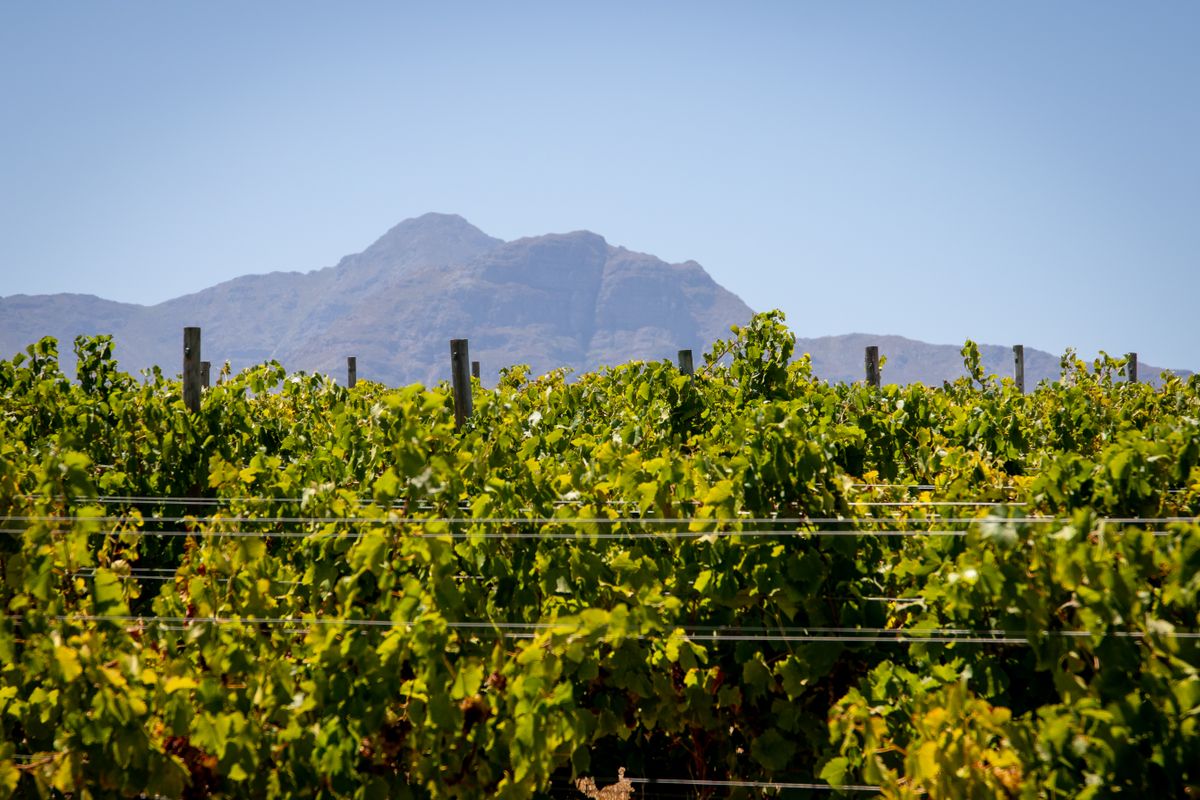
The valley excels at the marriage of food and wine. Unlike the more academic tasting rooms of Stellenbosch, Franschhoek treats the restaurant as the main event. You can spend an entire afternoon on a single terrace, pairing local vintages with high-end cuisine while looking out over the Drakenstein mountains.
What to know
The drink-drive limit is strictly enforced and the estates are spread out along a single road. Do not attempt to self-drive between tastings. Use the Wine Tram, hire a private driver, or book a small-group tour. If you visit in peak season, book your lunch table weeks in advance to avoid disappointment.
The full guide
Navigating the valley
Franschhoek is defined by a single main road that runs through the valley, with estates branching off into the foothills. Because the estates are spread out, you cannot walk between them. The most popular way to move around is the Wine Tram, a hop-on-hop-off service that connects several estates on a fixed route. This removes the need for a designated driver and allows you to taste freely. If you prefer a more private experience, hire a local driver for the day. Avoid the temptation to drive yourself, as the combination of winding mountain passes and strict local traffic laws makes self-driving a poor choice for a day of wine tasting. Cluster your visits by direction to minimise time spent in the car, focusing on one side of the valley in the morning and the other after lunch.
Structuring your tasting day
A successful day in Franschhoek is built around a long, slow lunch. Start your morning at one of the larger, established estates to beat the midday crowds. Use this time for a structured tasting session, which typically involves a flight of local wines. Tasting fees vary by estate and are often waived if you purchase a few bottles. By midday, transition to a restaurant-focused estate for a long lunch. Sunday lunch is a regional ritual, so expect a lively atmosphere and full tables. Spend your afternoon at a smaller, boutique estate or explore the village centre, which is filled with art galleries and cafes. If you have two days, dedicate one to the estates and the second to the Huguenot history and the village itself, which allows you to match the unhurried pace of the valley.
Choosing your base
Deciding where to stay depends on your priorities. If you want to be in the heart of the action, base yourself in the village of Franschhoek. This puts you within walking distance of the main street's restaurants, boutiques, and the Wine Tram terminal. It is the most convenient option for those who want to avoid driving entirely. If you prefer a countryside experience, look for guesthouses on the working wine farms that line the valley floor. These offer a quieter, more immersive stay but will require a short taxi or shuttle ride to reach the village centre for dinner. Regardless of where you stay, book well in advance for the summer months, as the valley reaches full occupancy quickly. Winter offers better availability and lower rates, though the weather can be demanding.
Before you book
Questions Franschhoek Wine Region always raises
- Is the Wine Tram worth it?
- Yes, if you want to avoid the stress of driving and navigating. It provides a reliable, fixed route between several estates, allowing you to taste wine without worry. It is not a private tour, so expect to share the experience with other travellers, but it is the most practical transport option.
- Do I need to book tastings in advance?
- For the most popular estates, yes. While some smaller farms accept walk-ins, the well-known names often run timed sessions, especially during peak season. Check the website of each estate before you go to see if they require a booking for a tasting or a cellar tour.
- How does Franschhoek differ from Stellenbosch?
- Stellenbosch is larger, older, and has a more academic, student-town energy with a vast number of estates. Franschhoek is smaller, more intimate, and heavily focused on food, fine dining, and a relaxed, romantic atmosphere. It is generally considered the more polished and tourist-oriented of the two.
- Can I visit on a day trip from Cape Town?
- You can, but it is a long day. The drive takes about an hour each way through mountain passes. If you only have one day, it is doable, but you will have a much better experience if you stay overnight to avoid the round-trip commute and enjoy the evening atmosphere.
What's here
Also in Franschhoek Wine Region
Babylonstoren
A working farm with one of the Cape's most extraordinary gardens and a lunch worth the drive.
Boschendal
A vast, historic farm between Franschhoek and Stellenbosch — heritage buildings, gardens, and a working farm.

Haute Cabrière
A Franschhoek estate built into the hillside, famous for Méthode Cap Classique and a spectacular view.

La Motte
A Franschhoek estate with an art museum, a sculpture garden, and a celebrated restaurant.

Rupert & Rothschild
A joint-venture luxury estate on the slopes of the Simonsberg, between two famous families.
Pair it with
More wine region in Western Cape

Breedekloof Wine Region
A river-valley wine region near Rawsonville, known for Chenin Blanc and value.

Constantia
Cape Town's own wine valley — the closest vineyards to the city, and the easiest half-day.

Durbanville Wine Valley
The closest wine region to Cape Town's northern suburbs — Sauvignon Blanc and easy half-days.

Elgin Wine Region
A cool, high-altitude apple-growing basin on the N2 — the Cape's cool-climate secret.

Hemel-en-Aarde Valley
A cool-climate valley behind Hermanus, famous for Pinot Noir and Chardonnay and improving fast.

Paarl Wine Region
A historic wine region under a giant granite dome, with serious reds and old estates.