
Jonkershoek Nature Reserve
A mountain reserve above Stellenbosch with pine plantations, waterfalls, and serious day loops.
Trip Role
Ideal stay
Best for
Our take
Jonkershoek is a serious mountain reserve for those who want to sweat. It offers rugged, high-altitude terrain and deep valley views that feel miles away from the nearby Stellenbosch vineyards, provided you respect the mountain's volatile weather.
Jonkershoek is a serious mountain reserve for those who want to sweat. It offers rugged, high-altitude terrain and deep valley views that feel miles away from the nearby Stellenbosch vineyards, provided you respect the mountain's volatile weather.
- Trip Role
- Day Trip
- Ideal Stay
- Four to seven hours, depending on the chosen route.
- Best For
- steep mountain ascents, panoramic valley views, challenging day hikes, cold swimming
- Skip If
- casual walkers, families with small children, those fearing steep heights
- Go If
- You are a fit hiker seeking challenging, steep ascents and long-distance circuits. It suits those who prefer raw, exposed mountain landscapes over manicured paths and are comfortable navigating changing conditions on their own.
Why it's worth your time
The Panorama Circuit and the waterfall routes are the pick — proper mountain, few crowds, and you're back in Stellenbosch for dinner. A permit is required at the gate.
What we love
The sheer scale of the valley. While other local trails feel like suburban park walks, Jonkershoek forces you to engage with the mountain. The transition from the valley floor to the high-altitude contour paths provides a sense of isolation that is rare this close to a major town.
What to know
The reserve enforces strict cut-off times for starting trails to ensure you exit before the gates close. Weather at the peaks is often vastly different from the valley floor; it can turn dangerous in minutes. Always carry a rain jacket and at least two litres of water, regardless of the forecast.
The full guide
The routes and the day
The reserve is defined by its four main trails, which range from moderate rambles to strenuous eighteen-kilometre loops. The shorter routes, like the Swartboskloof-Sosyskloof trail, offer a manageable two-hour experience through indigenous forest and contour paths. For those seeking a full day, the Panorama Circuit and the Swartboskloof route provide significant elevation gain, taking you high above the valley floor to the Dwarsberg plateau. These longer hikes are serious undertakings that require a full day of effort. You must check the specific cut-off times for each trail at the gate, as the reserve strictly manages access to ensure hikers return before the gates close at eighteen-hundred hours. The circular drive provides access to the trailheads, but parking is limited and fills up quickly on weekends.
Handling the terrain
Expect steep, unrelenting climbs on the longer circuits. The footing is often loose, rocky, or slick, particularly near the waterfalls and in the gorges. The Panorama Circuit involves a sharp pull to a contour path that leaves you exposed to the elements. While some sections have steel rails for assistance, you should not rely on them for safety. The descent from the higher ridges can be punishing on the knees, and the path to the second waterfall involves navigating narrow, rocky sections that have seen accidents. If you are not comfortable with heights or steep, uneven ground, stick to the lower valley paths. Always test the ground before committing your weight, especially after rain, as the mountain paths remain slippery for days.
Weather and preparation
The mountain climate is volatile. You might start in warm sunshine at the gate and encounter freezing wind or mist at the higher peaks. Snow is not unheard of in winter, and lightning is a genuine risk during storms. You must carry a windproof jacket, a hat, and sufficient water, as there are few places to refill once you are on the upper slopes. While the mountain streams are generally safe to drink from, do not rely on them as your only source. Wear sturdy, broken-in hiking boots with good grip; trainers are insufficient for the loose, steep terrain. Check the weather forecast the morning of your visit and be prepared to turn back if conditions deteriorate. The mountain does not forgive poor preparation.
Before you book
Questions Jonkershoek Nature Reserve always raises
- Do I need to book my hiking permit in advance?
- You do not have to book in advance, but it is recommended. Permits are available at the entrance gate or through the MTO website. Since parking is limited to twenty cars, arriving early is the best way to ensure you get access to the reserve.
- Can I swim in the waterfalls?
- Yes, you can swim in the rock pools and waterfalls. The water is clear and refreshing, though it is typically very cold. Bring a swimming costume and a towel, but be mindful that the rocks around the pools can be extremely slippery and dangerous.
- Are the trails safe for children?
- The shorter, lower-altitude trails are generally manageable for older children with hiking experience. However, the longer circuits and the gorge sections are strenuous and involve steep, exposed terrain that is not suitable for small children or those without significant hiking fitness.
- What happens if the weather turns bad?
- The reserve may close trails at short notice due to extreme weather. If you are already on the mountain, turn back immediately if you see clouds gathering on the peaks or if wind speeds increase. Weather changes rapidly and can become dangerous at higher altitudes.
More hike in Western Cape

Cecilia Forest Hike
A half-day forest walk on the back of Table Mountain near Kirstenbosch, rising gently onto the contour path.

Cederberg Cracks Hike
A half-day hike through the Cederberg's signature rock formations, the Cracks, near Algeria.
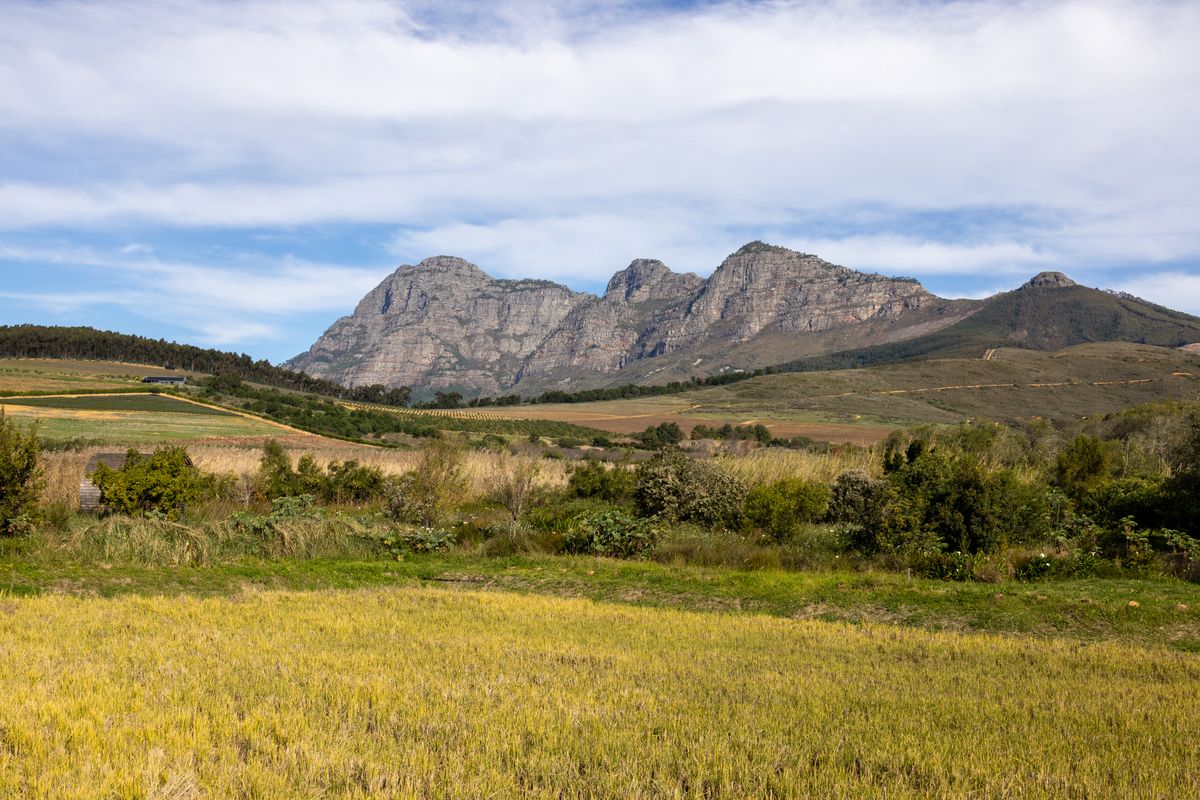
Cederberg Wolfberg Arch Hike
The iconic Cederberg hike to the Wolfberg Arch and Crack — two nights, rock formations, and a high plateau camp.
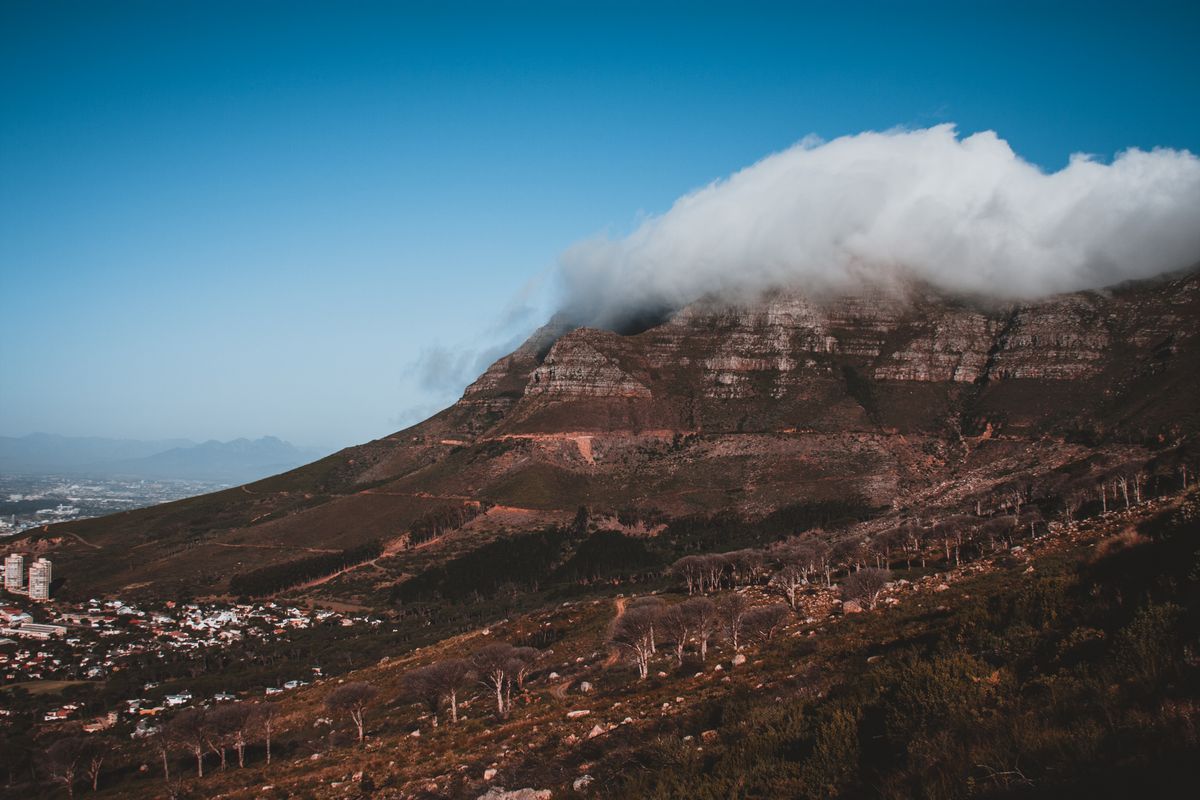
Devil's Peak Hike
The Table Mountain sibling hike to the peak that frames the City Bowl — a steep, quiet summit away from the cableway crowds.
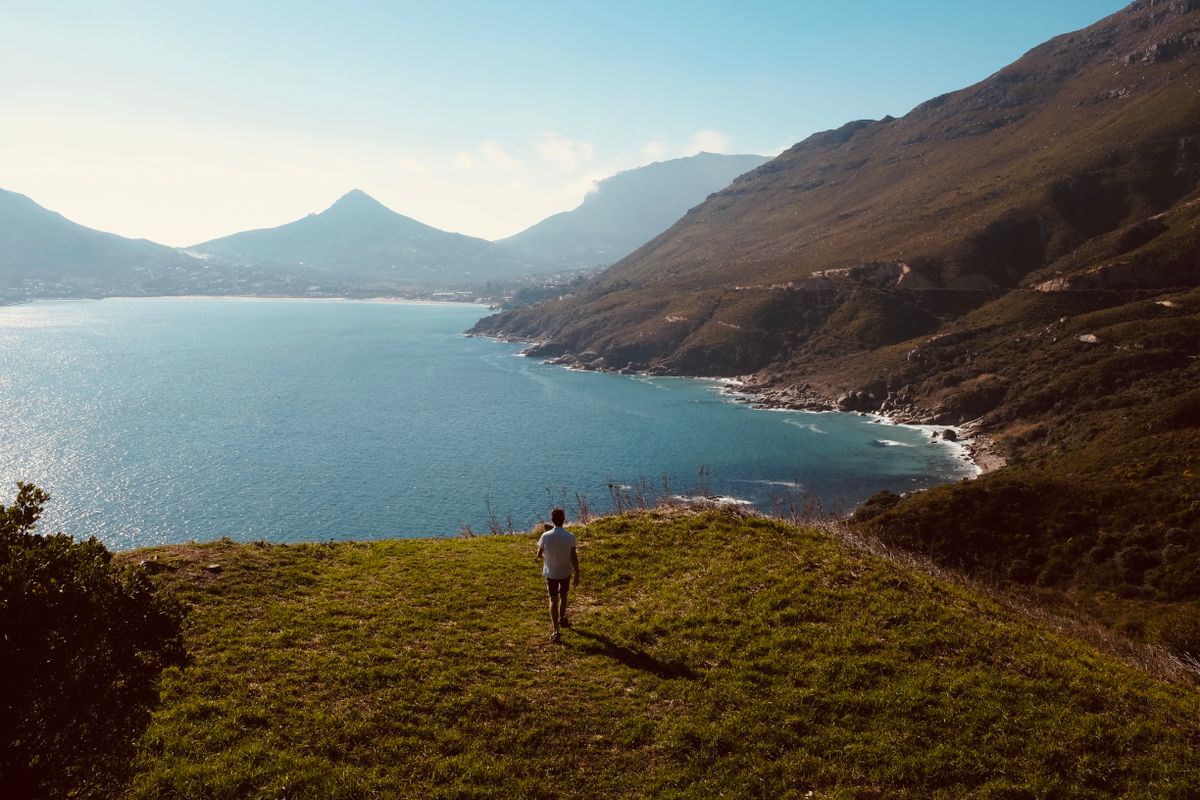
Du Toitskloof Hike
A Boland mountain hike between Paarl and Worcester — high passes, a waterfall tunnel, and a Cape-fold range crossing.

Elephant's Eye Cave Hike
A half-day hike in Silvermine Nature Reserve to a cave with a view over False Bay.