
Grootvadersbosch Hike
A forest hike in the Langeberg's largest indigenous forest — tall yellowwood, birds, and a cool canopy inland of Swellendam.
Trip Role
Ideal stay
Best for
Our take
This is a quiet, shaded escape into the largest remaining indigenous forest in the Langeberg. It offers a rare, cool-canopy experience that feels worlds away from the typical sun-baked fynbos hikes of the Western Cape.
This is a quiet, shaded escape into the largest remaining indigenous forest in the Langeberg. It offers a rare, cool-canopy experience that feels worlds away from the typical sun-baked fynbos hikes of the Western Cape.
- Trip Role
- Worth a Detour
- Ideal Stay
- Three to six hours, depending on the chosen trail.
- Best For
- indigenous forest walking, birding, shaded trails, quiet nature immersion
- Skip If
- peak baggers, thrill seekers, those wanting expansive mountain views
- Go If
- You want a forest-heavy walk with high birding potential and a manageable gradient. It suits those who prefer lush, sheltered trails over exposed mountain peaks and want a peaceful, low-traffic environment.
Why it's worth your time
The Langeberg's biggest indigenous forest — tall yellowwoods and a cool canopy inland of Swellendam.
What we love
The forest floor here is thick with yellowwoods and stinkwoods, creating a dense, cool microclimate that feels like a different world. The birding is exceptional, and the chance to spot a forest emperor butterfly or a ghost frog makes the slow, quiet pace of the forest trails rewarding.
What to know
The reserve gate is locked between 18h00 and 07h00, so plan your arrival and departure accordingly. While the forest is shaded, the longer trails like the Grysbok loop climb into exposed fynbos where sun protection is mandatory. Always check the weather before starting, as river crossings can become impassable after heavy rain.
The full guide
The forest and mountain loops
The reserve offers two primary day trails that cater to different levels of effort. The Bushbuck Trail is a ten-kilometre loop that stays largely within the indigenous forest, following the Duiwenhoks River. It is shaded, relatively easy, and ideal for those who want to focus on tree identification and birding. The Grysbok Trail is a more demanding fifteen-kilometre route that takes you out of the forest valley and up into the mountain fynbos. This section is significantly more exposed to the elements and requires a higher level of fitness. Both trails are well-marked, but you should always carry a map. The terrain varies from soft forest paths to steeper, rocky sections as you gain elevation toward the ridge of the hills bordering the Boosmansbos Wilderness Area.
Handling the terrain and weather
The forest sections are generally forgiving, but the transition into the fynbos on the longer trails introduces steep ascents and full sun exposure. Footing is generally good, though natural rock steps and gullies can be slippery after rain. If you encounter heavy rainfall, be cautious near the Duiwenhoks River, as it can flood quickly. In such cases, it is safer to return via the Loerklip path rather than attempting to cross the river. Always carry a warm jacket, even in summer, as mountain weather in the Langeberg can shift rapidly. The forest canopy provides excellent shelter, but once you are on the higher slopes, you are entirely at the mercy of the wind and sun. Plan your water intake accordingly, as there are few reliable refill points once you leave the main valley.
Essential preparation and safety
Safety in this reserve relies on preparation. You must notify the welcome centre staff before you head out and check in upon your return. Never hike alone, as the trails can be quiet and help is not immediately at hand. Pack a basic medical kit, sufficient food, and more water than you think you will need. Sunscreen and a hat are non-negotiable for the exposed fynbos sections. While the tap water in the reserve is not polluted, it is naturally brown and should be boiled before drinking. Respect the environment by staying strictly on the marked trails and never picking flowers or collecting seeds. The reserve is a protected World Heritage Site, and the rules regarding fires and waste are strictly enforced to maintain the integrity of the forest.
Before you book
Questions Grootvadersbosch Hike always raises
- Are the trails suitable for children?
- The Bushbuck Trail is generally manageable for active children due to its moderate length and shade. However, the Grysbok Trail is too long and strenuous for most young children. Always assess your child's fitness and the weather conditions before committing to the longer, more exposed mountain routes.
- Can I hike here if it is raining?
- Light rain is manageable in the forest, but heavy rain makes the trails dangerous. The Duiwenhoks River can flood, making crossings hazardous. If heavy rain occurs, stick to the forest paths or use the Loerklip path to avoid river crossings. Always check with the reserve office regarding current trail conditions.
- Do I need a permit to hike?
- Yes, you must pay a conservation fee at the reserve office to access the trails. This permit is required for all hikers and cyclists. Ensure you arrive during office hours to secure your permit and receive any necessary safety updates from the staff before you start your walk.
- Is there cell phone reception on the trails?
- Reception is unreliable and often non-existent once you enter the forest valley or climb into the mountains. Do not rely on your phone for navigation or emergencies. Carry a physical map, tell someone your plans, and ensure you check in with the reserve office before and after your hike.
More hike in Western Cape

Cecilia Forest Hike
A half-day forest walk on the back of Table Mountain near Kirstenbosch, rising gently onto the contour path.

Cederberg Cracks Hike
A half-day hike through the Cederberg's signature rock formations, the Cracks, near Algeria.
Cederberg Wolfberg Arch Hike
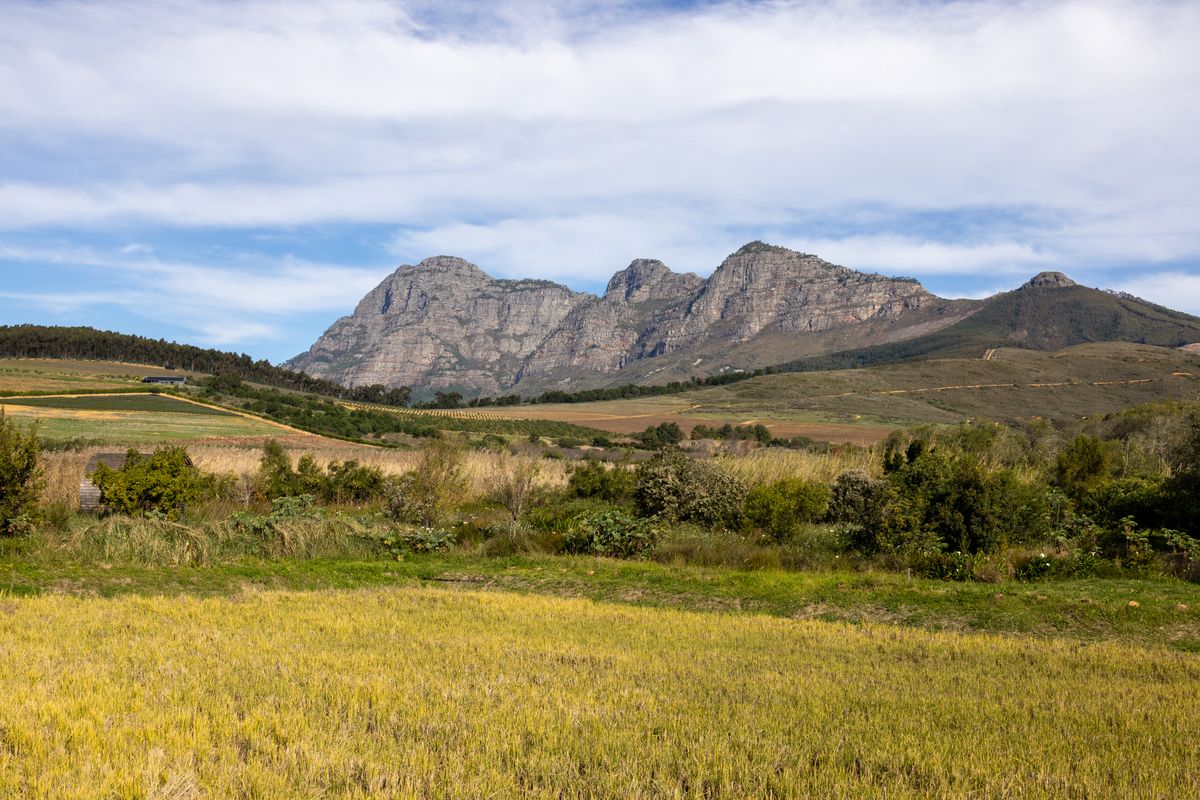
The iconic Cederberg hike to the Wolfberg Arch and Crack — two nights, rock formations, and a high plateau camp.
Devil's Peak Hike
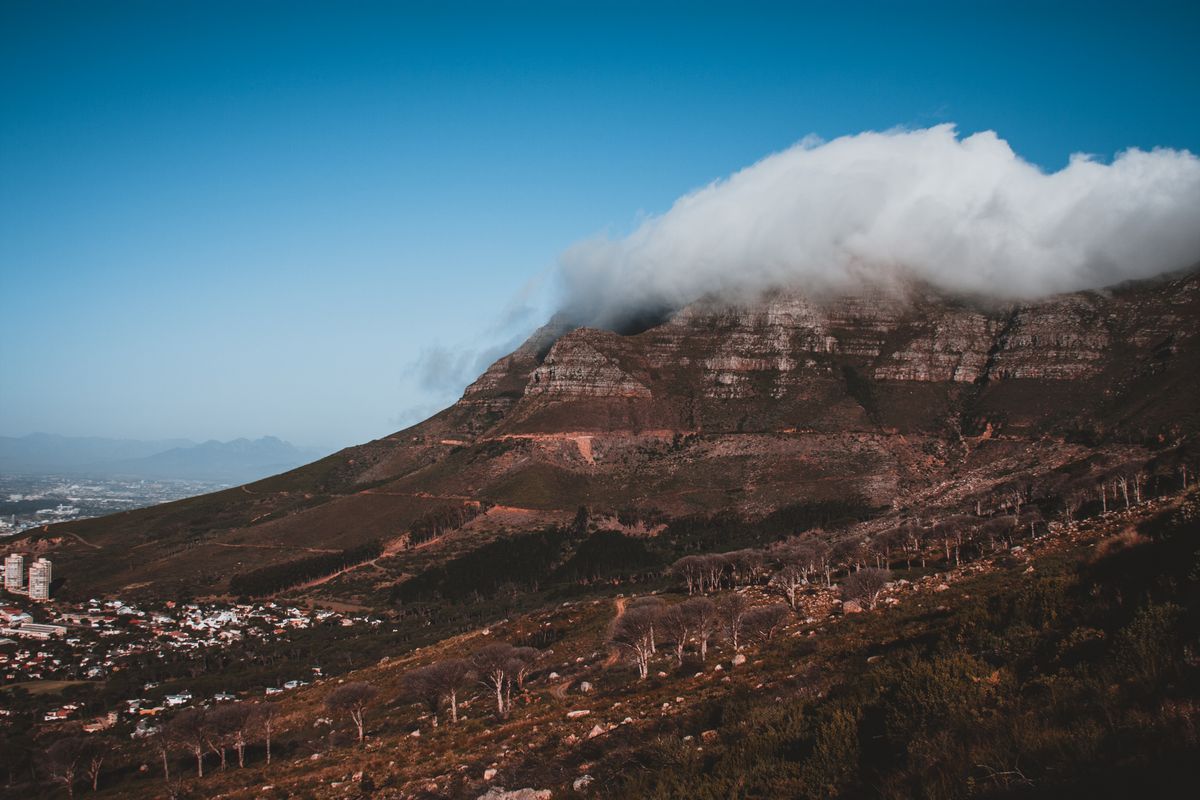
The Table Mountain sibling hike to the peak that frames the City Bowl — a steep, quiet summit away from the cableway crowds.
Du Toitskloof Hike
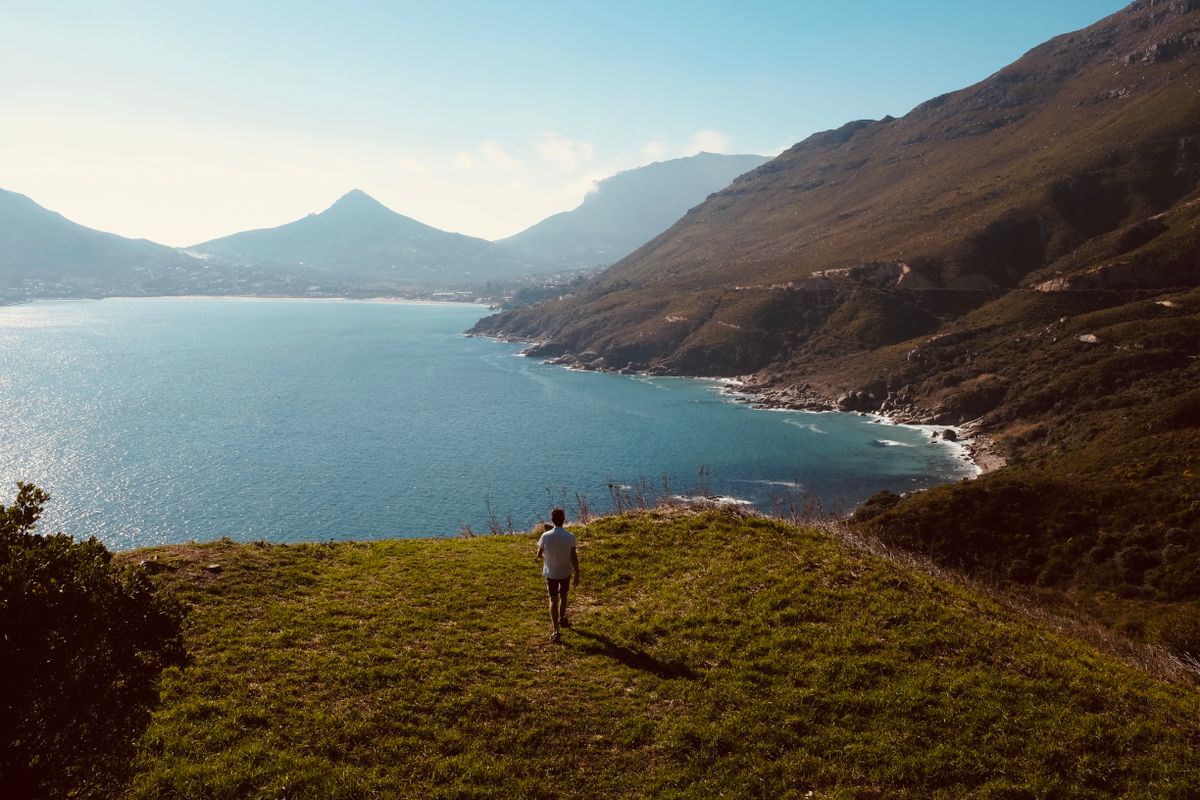
A Boland mountain hike between Paarl and Worcester — high passes, a waterfall tunnel, and a Cape-fold range crossing.

Elephant's Eye Cave Hike
A half-day hike in Silvermine Nature Reserve to a cave with a view over False Bay.