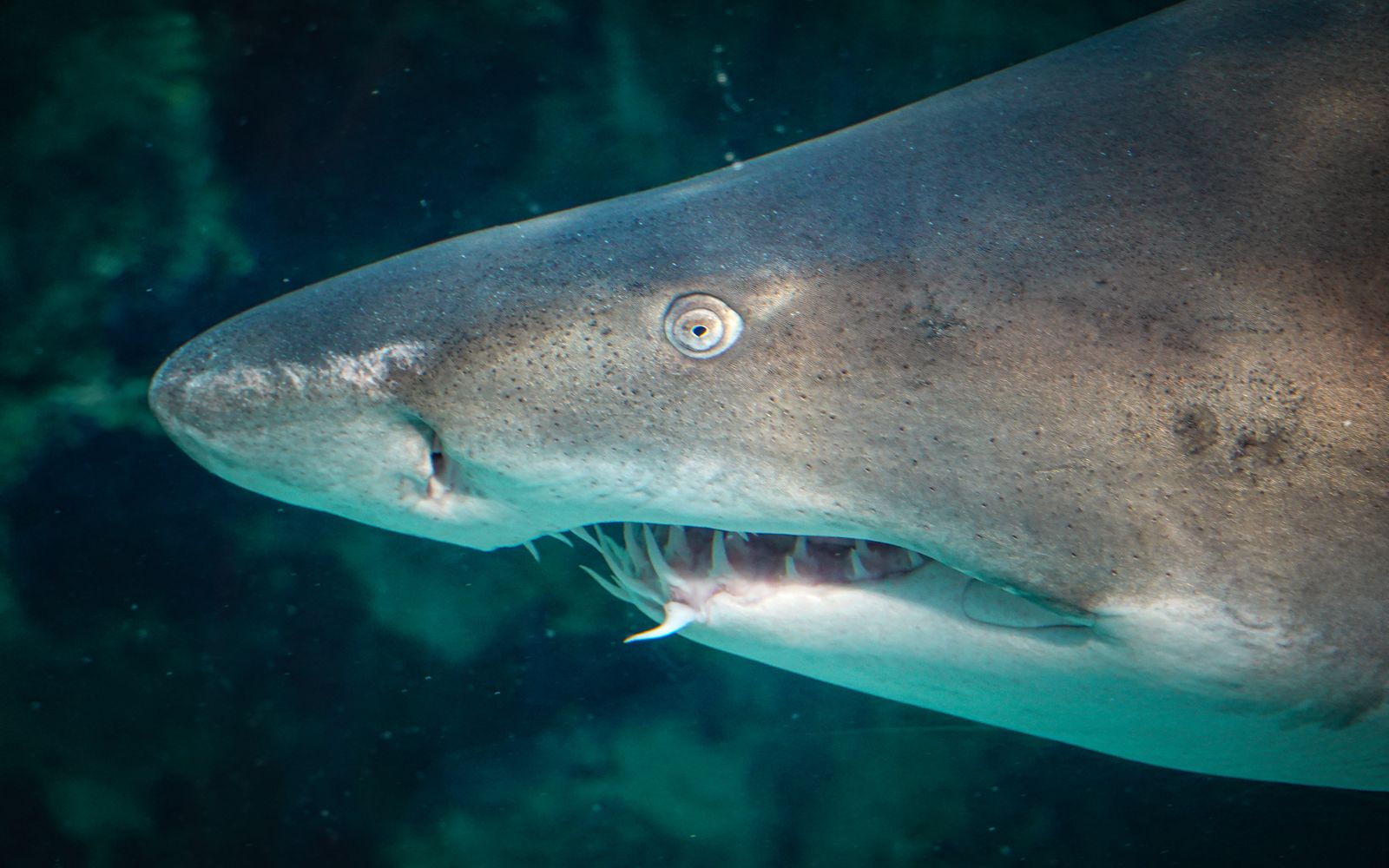
Shark cage diving is the most oversold wildlife experience in South Africa, and one of the most singular. Both can be true. This is the honest version, because the marketing will not give you one.
What it actually is
You go out on a boat, usually from Kleinbaai (the harbour next to Gansbaai, two hours east of Cape Town), anchor near Dyer Island and Geyser Rock, and the crew chums the water to attract sharks. When one shows up, you take turns being lowered in a cage bolted to the side of the boat, holding your breath while the animal passes. That's it. It's a surface encounter from inside a steel cage, not a dive, and you don't need to be certified.
The thing nobody tells you up front
The great whites are no longer reliable here. For a combination of reasons — orca predation, shifts in prey, over years of pressure — the famous Gansbaai whites became inconsistent and in recent seasons have often been absent. Most operators now run the same trip for bronze whaler sharks, which are smaller, more numerous, and genuinely impressive, but they are not the animal in the brochure. If you book expecting a guaranteed great white, you will likely be disappointed, and that disappointment is the operator's fault for the way they sell it, not yours.
How to choose an operator
This matters more than anything. The Gansbaai fleet is not interchangeable, and the gap between a good trip and a bad one is wide.
- Look for the operator's recent reviews, not the gallery on their website — search the last season, specifically for what species turned up.
- Ask, before you book, what you are likely to see. A reputable operator will tell you. One that dodges the question is selling the brochure.
- Check the cage-to-passenger ratio. A boat with forty people and one cage means you spend the day waiting for a turn. Smaller boats cost more and are worth it.
- Verify they hold a valid permit. Shark cage diving is regulated; unpermitted operators exist and you do not want to be on that boat.
What it costs and how long it takes
Expect roughly R2,000 to R3,500 per person in season for a half-day trip, plus a marine levy in some cases. Trips run morning and afternoon, last about three to four hours on the water, and the operators feed you breakfast and soup back at base. You will get wet and cold even on a good day; bring a windproof layer.
Who should go
People who want to see a large shark up close and are realistic about what that means. Divers who want a story. Anyone curious enough to accept that the animal may not be the one advertised.
Who should not go
Anyone who expects a guaranteed great white, anyone who gets seasick and won't medicate, and anyone who would feel complicit in the chumming. The practice is debated — critics argue it habituates sharks to boats and food association — and you should make peace with that before you book, not on the deck.
The better alternative
If the cage puts you off but the marine life is the point, take the Dyer Island boat trip instead — same waters, same operator base, no cage, no chumming spectacle. You get Cape fur seals by the thousand, seabirds, penguins, and, in whale season, southern right whales. It is the gentler, better-value version of the same morning, and most people come back happier.
Bottom line
Go with your eyes open. Use a good operator, ask what you'll see, treat the bronze whalers as the headline rather than the consolation, and you'll have a morning you won't forget. Go expecting the brochure and you'll have a story about being misled. The difference is mostly set before you board.