Zeitz MOCAA
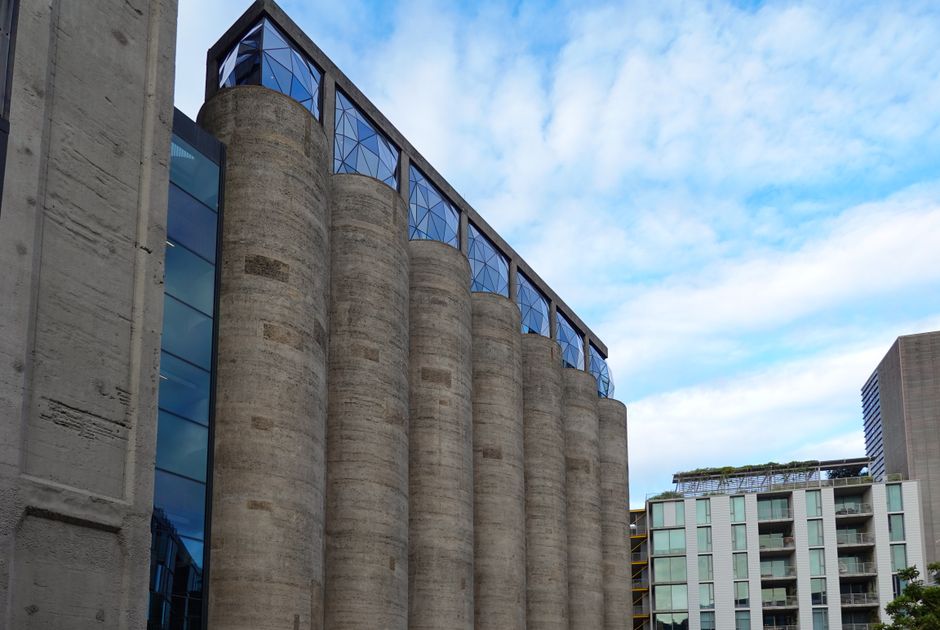
A contemporary African art museum in a carved-out silo at the V&A Waterfront — the biggest of its kind on the continent.
Trip Role
Ideal stay
Best for
Our take
Zeitz MOCAA is a bold architectural statement that succeeds as a monumental space for contemporary African art. While the building often overshadows the collection, it remains a necessary stop for anyone engaging with the continent's modern creative output.
Zeitz MOCAA is a bold architectural statement that succeeds as a monumental space for contemporary African art. While the building often overshadows the collection, it remains a necessary stop for anyone engaging with the continent's modern creative output.
- Trip Role
- Trip Anchor
- Ideal Stay
- 90 minutes to three hours
- Best For
- contemporary African art, brutalist architecture, harbour views, rainy day activity
- Skip If
- visitors seeking traditional art, those with limited mobility or time
- Go If
- You are an art enthusiast or architecture student interested in how industrial heritage is repurposed for cultural use. It suits those who prefer their gallery visits with a side of heavy, brutalist concrete.
Why it's worth your time
The continent's biggest museum of contemporary African art, inside a re-engineered grain silo at the Waterfront.
What we love
The sheer audacity of the atrium is unmatched. By carving out the centre of the original concrete grain silos, the architects created a cathedral-like void that forces you to look up and acknowledge the scale of the industrial history beneath your feet.
What to know
Admission prices and discounts for African citizens vary by booking method, so check the official site before arriving. The museum is located in the Silo District of the V&A Waterfront, which is distinct from the main tourist hub. Last entry is strictly at 5:30 pm, so do not arrive late.
The full guide
Navigating the Silo
The museum is housed in a 1920s grain silo complex, and the architecture is as much an exhibit as the art on the walls. Upon entry, you are greeted by the massive, hollowed-out atrium, which serves as the central orientation point. Do not try to see every floor in a single rush. Instead, pick one or two specific exhibitions that align with your interests. The galleries are spread across nine levels, and the layout can be disorienting. Grab a map at the information desk immediately upon arrival to save yourself from aimless wandering. The concrete structure is imposing, and the way light filters through the glass rooftop creates a unique atmosphere that changes throughout the day. Use the elevators for the upper levels, but take the stairs at least once to appreciate the scale of the carved concrete.
Engaging with the Collection
The collection focuses on contemporary art from Africa and its diaspora, frequently tackling themes of politics, heritage, and identity. These works are not always easy or decorative; they are intended to provoke thought and dialogue. If you find a piece that confuses you, look for the curatorial notes nearby. The museum also hosts rotating solo exhibitions that provide deeper context into specific artists' practices. If you are unsure where to start, join one of the daily tours, which are often free and provide a guided narrative that helps bridge the gap between the art and the complex history of the region. Remember that the museum is a living institution, and the exhibitions change regularly. Check the current programme online before you go to ensure you are not missing a major installation.
Practicalities and Surroundings
Located in the Silo District of the V&A Waterfront, the museum is easily accessible by taxi or the MyCiTi bus network. If you are driving, parking is available in the nearby Silo or Battery Park garages. The area is a short walk from the Clock Tower, but it feels separate from the main shopping centre. Plan your visit to include a walk around the harbour afterwards, as the museum is best paired with the surrounding industrial landscape. If you are a South African or African citizen, remember to bring your ID or passport to qualify for the reduced entry rate, which is significantly lower than the standard adult price. The museum is open daily, but it can get crowded on weekends and public holidays, so aim for a weekday morning if you prefer a quieter experience.
Before you book
Questions Zeitz MOCAA always raises
- Is the museum accessible for people with strollers or wheelchairs?
- Yes, the museum is accessible. Strollers are welcome, though you may be asked to park them in designated areas during certain exhibitions. The building features elevators that connect the various levels, making it manageable for those with limited mobility.
- Do I need to book my tickets in advance?
- While you can purchase tickets on site, booking via the official website is recommended to ensure entry, especially during peak tourist seasons or weekends. Check the museum's website for the most current pricing and to see if any specific exhibitions require timed entry.
- Are there guided tours available?
- Yes, the museum offers free daily tours. These are typically one hour long and provide a good overview of the space and current exhibitions. Capacity is limited, so inquire at the front desk upon arrival to secure your spot.
- Can I visit the museum for free?
- Free entry is available for children under 18. Additionally, African citizens can access the museum at a significantly reduced rate on site by presenting a valid South African ID or African passport. Check the museum's website for specific conditions regarding these discounts.