Tswalu Kalahari Reserve
South Africa's largest private reserve — desert black rhino, aardvark and pangolin in the southern Kalahari.
Trip Role
Ideal stay
Best for
Our take
The gold standard for conservation-led, high-end desert safaris.
The gold standard for conservation-led, high-end desert safaris.
- Trip Role
- Base
- Ideal Stay
- 4 days
- Time Needed
- 3 days
- Best For
- Rare species tracking and total seclusion.
- Go If
- You want an ultra-luxury, private wilderness experience with a focus on rare species.
Why it's worth your time
As South Africa's largest private reserve, Tswalu offers an exclusive, low-density safari experience in the southern Kalahari. It is a premier destination for viewing rare desert-adapted species like pangolin and aardvark.
What we love
The habituated meerkat colonies that allow for up-close observation.
What to know
It is a remote destination requiring a light aircraft transfer from Johannesburg.
The full guide
What it is like
Tswalu spans a staggering amount of land in the southern Kalahari, making it the largest private reserve in South Africa. The scale is the first thing that hits you. It is not the cramped, high-density environment of the eastern reserves where vehicles cluster around a single leopard. Here, the horizons are vast and open. The vegetation consists of sparse, golden grasses dotted with camel thorn trees and ancient, weathered granite outcrops. The light is harsh and brilliant, washing out the landscape until the sun dips low enough to cast long, deep shadows that make the terrain look like a sepia photograph. The silence is profound and heavy, broken only by the sharp call of a korhaan or the wind whistling through the dry scrub. During your first hour, you will feel the isolation immediately. You are not just visiting a park; you are entering a harsh, unforgiving environment that humbles you with its sheer indifference. Unlike the busier reserves in the north, the focus here is on the subtle, quiet grandeur of the desert rather than the constant, frenetic pursuit of a checklist of famous animals. The air is dry and thin, and every sound carries across the open plains with startling clarity.
Wildlife, realistically
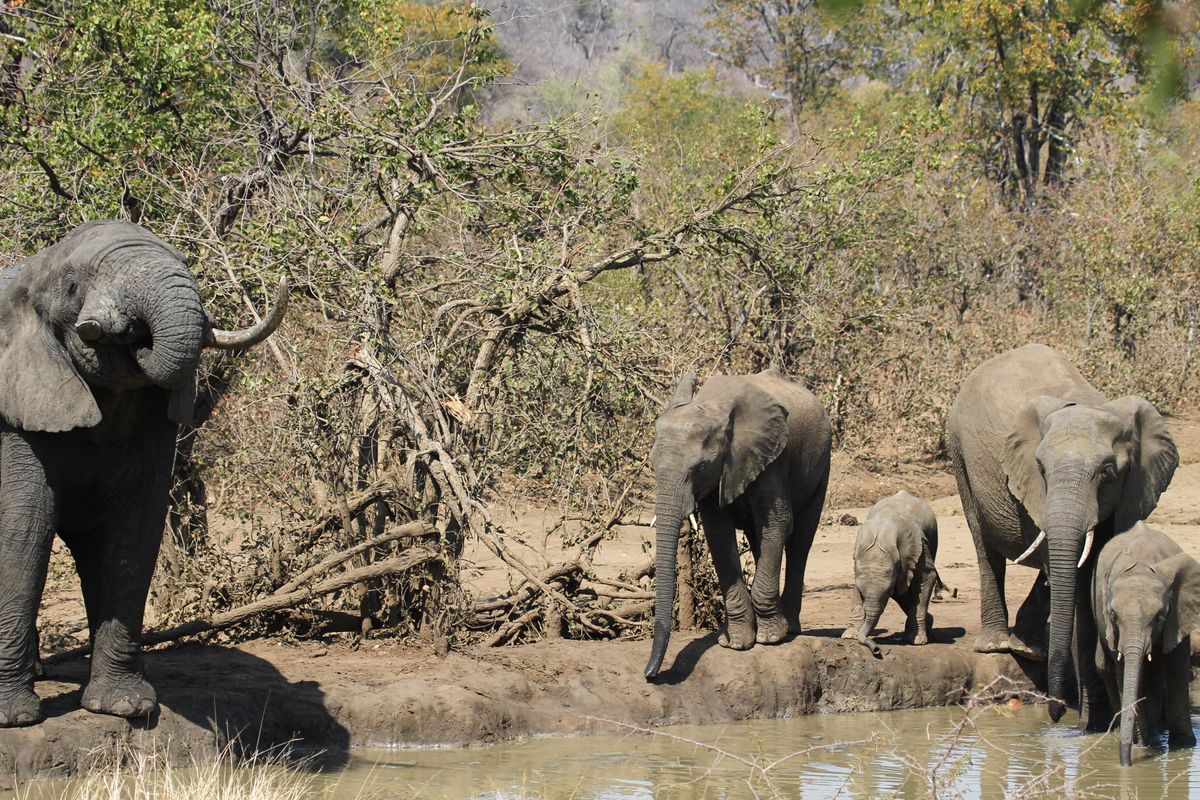
Do not come here expecting a standard Big Five experience. While you will encounter elephants and lions, they are not the point of the reserve. Tswalu is for the specialist who wants to see the creatures that usually remain hidden elsewhere. This is one of the best places in the world to find pangolins and aardvarks, though spotting them requires patience and a high degree of luck even with an expert tracker. The meerkats are a highlight because they are habituated and allow for remarkably close observation, which provides a genuine connection to their social dynamics. Sightings concentrate around the waterholes and in the transition zones between the dunes and the flatter, scrub-covered plains. Seasonal movement is dictated by the availability of surface water and grazing, and you will see the wildlife disperse across the massive territory rather than congregating in predictable bottlenecks. Finding the rare species is genuinely difficult work. You spend hours scanning the sand for tracks, and the reward is often a fleeting glimpse of something nocturnal or elusive. It is a slow, methodical way of watching wildlife that requires a massive shift in expectation if you are used to the heavy concentrations of animals found in greener, wetter parts of the country.
How a visit works
A visit to Tswalu is entirely guided. You do not self-drive here. The remoteness of the Northern Cape means you arrive by a light aircraft transfer from Johannesburg, as the distance by road from any major centre is prohibitive for a short stay. Once on the ground, the logic of the reserve takes over. The days are shaped by the heat, with early morning and late afternoon game drives forming the core of the experience. You are assigned a vehicle and a guide, and the itinerary is fluid based on recent sightings and the specific interests of the guests. One night is a complete waste of time. The terrain is too large and the wildlife too elusive to be seen in less than four days. Staying for four days allows you to move beyond the superficial and actually begin to understand the rhythm of the Kalahari. The pace is unhurried and high-end, which means you are essentially at the mercy of the logistical schedule of the specific lodge you book. Everything is handled for you, which eliminates the stress of navigation but also removes your autonomy. You surrender your day to the expertise of the staff, who manage the geography of the reserve with total control.
When to go
The climate at Tswalu is extreme. The summer months bring blistering heat and the possibility of heavy, sudden thunderstorms, which transform the landscape into a green, vibrant desert. During this time, game visibility is lower because the vegetation is thick and surface water is widely distributed. Winter offers the opposite experience, with freezing nights and crisp, clear days that make for excellent long-distance viewing. The lack of surface water in winter draws animals to the permanent waterholes, making the wildlife more predictable, although the nights will push your comfort levels if you are not prepared for a deep chill. You will also deal with the risk of fire during the dry season, which can strip large swaths of the reserve of grass. Crowds are never an issue because the density of vehicles is tightly controlled by the size of the reserve and the guest capacity. The trade-off is always between the comfort of the moderate temperatures and the utility of the dry season for viewing. The cost remains at the top end of the market regardless of the season, so you are paying for the exclusivity rather than a fluctuating seasonal value proposition.
Who it suits, who it does not
Tswalu rewards the patient traveller who values solitude above all else. If you are the type of person who needs to tick a box for every major species by lunch on your first day, you will find this place frustrating and ultimately boring. It is for those who enjoy the act of tracking as much as the act of viewing. It suits those who appreciate the aesthetic of the desert and want to see rare, niche species that are simply not seen in the busier, more accessible reserves. If you are on a budget, this is not the place for you, as the logistics of reaching the reserve and the nature of the luxury offering make it an expensive proposition. If you prefer the dense, high-frequency sightings and the social atmosphere of a place like the Sabi Sand, you will be disappointed by the empty horizons here. For those who want the intense, wall-to-wall predator viewing of the private reserves near the Kruger National Park, Tswalu is a poor fit. The Kalahari demands a different temperament. It is a destination for the repeat visitor who has seen the classics and now wants something that feels more like an expedition into the absolute middle of nowhere.