Robben Island
The island prison where Nelson Mandela was held for 18 years — a ferry trip and a tour led by former political prisoners.
Trip Role
Ideal stay
Best for
Our take
Robben Island is a heavy, essential piece of South African history. The experience succeeds because of the former political prisoners who lead the tours, turning a sterile prison site into a deeply human, sobering encounter with the past.
Robben Island is a heavy, essential piece of South African history. The experience succeeds because of the former political prisoners who lead the tours, turning a sterile prison site into a deeply human, sobering encounter with the past.
- Trip Role
- Trip Anchor
- Ideal Stay
- 3.5 to 4 hours, plus time for the museum exhibits.
- Best For
- first-hand historical accounts, understanding apartheid, reflective travel, views of Cape Town
- Skip If
- independent explorers, those prone to seasickness, travellers seeking a quick outing
- Go If
- You want to understand the human cost of apartheid through the eyes of those who lived it. It is for the traveller who prioritises historical context over comfort and is prepared for a structured, group-led experience.
Why it's worth your time
The prison-island pilgrimage — a half-day, a ferry, and a tour by the people who were there.
What we love
The guides are the defining feature. Hearing a former political prisoner describe the daily indignities and acts of resistance within the very walls where they were held provides a visceral, unvarnished perspective that no museum display or textbook can replicate. It transforms a standard heritage site into a profound, living memory.
What to know
The entire visit is strictly managed by the museum. You cannot wander the island alone. Ferries are frequently cancelled due to rough seas, so do not book this for your final day in Cape Town. Always check the weather forecast and your email for last-minute updates. Bring a jacket, as the wind on the water is biting even on sunny days.
The full guide
The Tour Experience
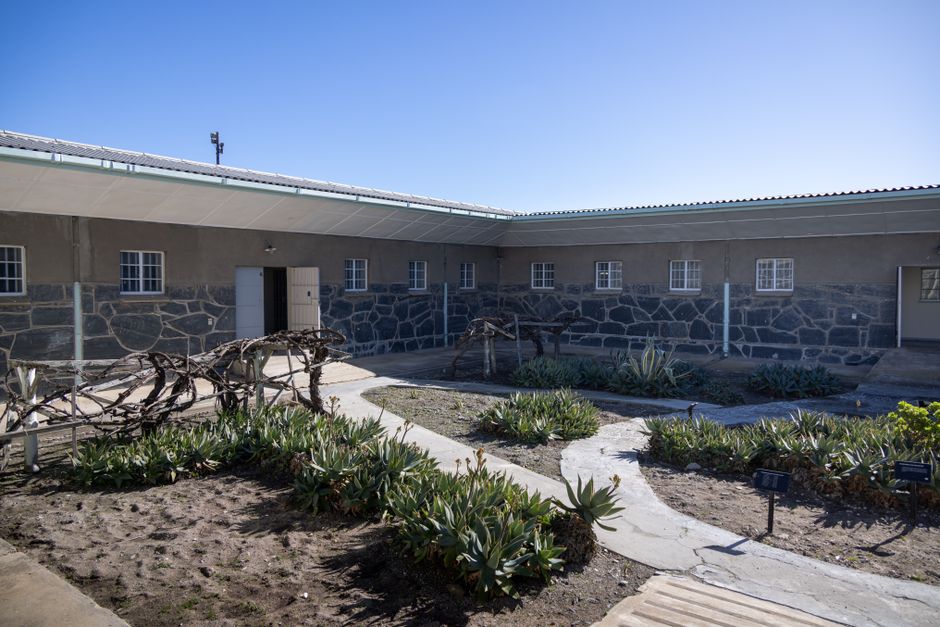
Your visit begins at the Nelson Mandela Gateway at the V&A Waterfront. After the ferry crossing, you are moved onto buses for a tour of the island's historical sites, including the leper cemetery and the high-security prison. The prison block is the focal point, where you will see the cells and the exercise yard. The tour is not a casual walk; it is a structured programme designed to move large groups through sensitive spaces. You will spend a significant portion of the time listening to your guide, who is often a former prisoner. Their personal stories provide the necessary weight to the architecture. Do not expect to linger in any one spot, as the schedule is tight and strictly enforced by the museum staff.
Logistics and Preparation
Booking in advance is mandatory, as tickets sell out weeks ahead during peak seasons. The price varies depending on your residency status, so have your identification ready. The ferry ride takes between 30 and 60 minutes depending on the vessel, and the sea conditions dictate whether the trip happens at all. If the weather turns, the museum will cancel sailings, and you will need to be prepared to reschedule. Wear comfortable walking shoes and layers, as the island is exposed to the elements. There is a museum at the ferry terminal that provides excellent context; if you have time, visit it before or after your trip to the island to better understand the broader history of the site.
Managing Expectations
This is a site of trauma and resilience, not a scenic island getaway. The atmosphere is often described as haunting or sobering. While the views of Table Mountain from the water are impressive, the focus remains firmly on the prison's history. You will be part of a large group, and the experience can feel impersonal at times due to the sheer volume of visitors. However, the interaction with the guides remains the primary reason to go. If you approach the visit as a pilgrimage to understand the country's transition to democracy rather than a sightseeing tour, you will get the most out of the experience. Be prepared for a quiet, reflective return journey as the reality of what you have seen settles in.
Before you book
Questions Robben Island always raises
- Can I visit Robben Island on my own without a tour?
- No. Access to the island is strictly controlled by the Robben Island Museum. You must purchase a ticket for the official ferry and guided tour package. There is no independent boat access or self-guided walking allowed on the island.
- What happens if the weather is bad?
- The museum will cancel ferry crossings if sea conditions are deemed unsafe. If your tour is cancelled, you are entitled to a refund or the option to reschedule. Always check your messages before heading to the V&A Waterfront, as cancellations can happen with little notice.
- Are the guides always former prisoners?
- In the prison section, the guides are usually former political prisoners who were incarcerated on the island. This is a core part of the museum's programme, though the specific guide you get is assigned by the museum and cannot be chosen by the visitor.
- Is the tour wheelchair accessible?
- Yes, the Nelson Mandela Gateway, the ferries, and the buses used for the island tour are generally wheelchair accessible. It is recommended that you inform the museum of any specific requirements at the time of booking to ensure the necessary support is available.
Pair it with
