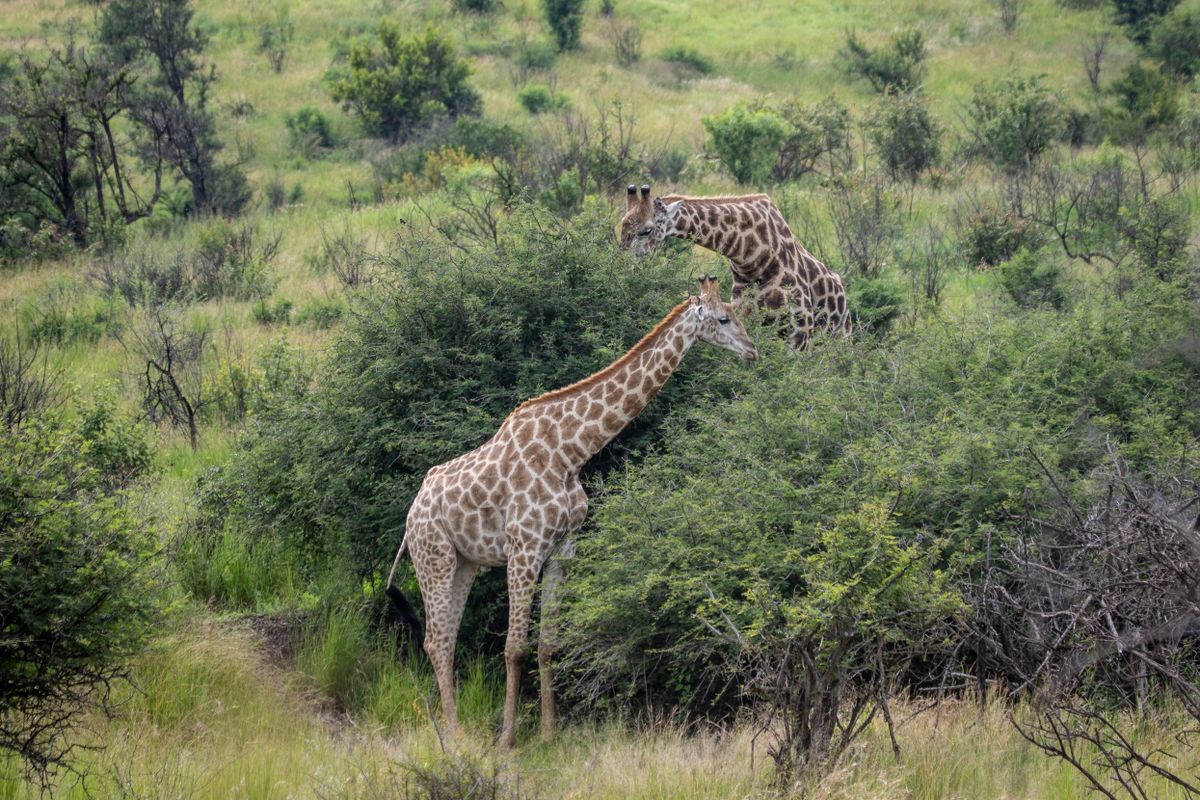
Phinda Private Game Reserve
Seven distinct habitats from sand forest to wetland — cheetah, black rhino and marine experiences near iSimangaliso.
Trip Role
Ideal stay
Best for
Our take
A masterclass in ecological diversity, offering a more varied landscape than almost any other private reserve.
A masterclass in ecological diversity, offering a more varied landscape than almost any other private reserve.
- Trip Role
- Base
- Ideal Stay
- 4 days
- Time Needed
- 3 days
- Best For
- Habitat diversity and rare species
- Go If
- You want a diverse safari experience that can be combined with marine activities at nearby iSimangaliso.
What to optimise for
What Phinda Private Game Reserve rewards
The same reserve can be a different trip depending on what you came for. Choose the version you want, then plan around it.
- Rare species tracking
- Focus your time on the cheetah and black rhino populations. Rangers here are specialists at tracking these elusive animals through the dense sand forests. The compromise is that you will spend significant time driving between diverse ecosystems, meaning you see fewer general plains game than in an open savanna park.
- Bush and beach
- Leverage the proximity to the coast to combine land-based safari with marine excursions in the nearby iSimangaliso Wetland Park. This dual-purpose trip requires careful logistical planning for transfers. You sacrifice a deep, uninterrupted focus on inland wildlife behaviour to make time for scuba diving or coastal exploration.
- Botanical and habitat
- Phinda hosts seven ecosystems including rare sand forest. Spend your drives examining the transition between mountain bush and coastal scrub. The trade-off is a slower-paced safari experience. Those looking for constant, high-octane predator action might find the ecological focus less intense than a standard big-five focused game reserve.
- Luxury photography
- The unique light in the sand forest creates excellent opportunities for intimate animal portraits. The luxury lodges offer private vehicles for better angles. The compromise is the cost; this is a high-end experience where you pay premium rates to ensure you are in the right position for light.
When to go
Timing a visit to Phinda Private Game Reserve
Rain, grass and water decide what you see. These are the trade-offs, season by season.
May to September dry winter
BestThe vegetation thins out, making it much easier to spot the black rhino and predators in the dense sand forests. Nights are cold and require layers, but days are clear and pleasant. This is the peak season for wildlife visibility and consistent sightings across all seven reserve ecosystems.
October to March green season
MixedThe bush becomes incredibly thick after the summer rains, which makes tracking predators a difficult task. Humidity is high and malaria risk increases. However, the birding is excellent, and you will see many newborn animals. Rates are lower, but you must accept the trade-off of harder wildlife viewing.
April and November shoulder months
GoodThese months offer a balance between the heat of the green season and the chill of winter. You avoid the peak crowds and the highest rates while still maintaining a reasonable chance of good sightings. It is a practical choice if you want moderate temperatures and thinner vegetation.
How long to stay
Nights, and what each one buys
Nights are the unit of cost here. This is the honest return on each one.
- Two nights
- Two nights is the bare minimum for an introduction to the landscape. You will manage one full day of activity, but you risk missing the specialist wildlife tracking that defines the reserve. It feels rushed given the effort required to reach this remote KwaZulu-Natal location.
- Four nights
- Four nights is the recommended stay to truly appreciate the seven distinct ecosystems. This duration allows for a mix of game drives and potential marine trips to the coast. It provides enough time to settle into the pace of the bush without constant packing and moving between sites.
- One week
- A week allows you to explore the wider region, including the iSimangaliso Wetlands. It is only worth this length if you are committed to the bush and beach itinerary. Otherwise, you might experience diminishing returns on game drives as the unique species sightings begin to repeat themselves.
Getting there
Airport, road, gate
Distances here are hours, not kilometres. Fuel up before the last town.
- Nearest airport
- Richards Bay is the primary commercial airport, situated about two hours away by road. Alternatively, you can use light aircraft transfers directly onto private airstrips within the reserve. The flight cuts out a long drive but significantly increases the total travel budget for your trip.
- Drive
- The drive from Johannesburg takes approximately seven to eight hours on well-maintained national roads. The final stretch on regional roads can be slower depending on traffic and local conditions. It is a long journey and requires a full day of travel to arrive before your first evening drive.
- Gates and hours
- The reserve entrance gates operate on strict schedules to manage security and wildlife protection. Arrival and departure times are usually tied to your lodge booking. Always coordinate your estimated time of arrival with the lodge in advance to ensure someone is available to meet you at the gate.
- Roads and vehicle
- The main access roads are generally tarred or in decent gravel condition, suitable for a standard sedan. However, if you are planning to travel extensively through the surrounding areas or rural KwaZulu-Natal, a high-clearance vehicle is a much safer bet for comfort and avoiding potential road damage.
Where to base yourself
Three kinds of base
The base decides your gate times, your privacy and your bill more than the reserve does.
Inside the private reserve
Staying within the reserve provides the most immersive experience. You get direct, early access to prime game-viewing areas. The lodges offer full service, which simplifies your logistics significantly. It is the only choice if you want to avoid the daily travel time required from outside gates.
Hluhluwe town
Staying in town is a budget-focused alternative that requires a daily commute to the reserve gates. You will miss the early morning and late evening game activity, which is crucial for predator sightings. It is suitable only if you are strictly watching your budget and have your own vehicle.
Coastal lodges
Basing yourself near the coast allows for easy access to beach activities but places you far from the heart of the game reserve. You will spend hours in transit each day. Only choose this if your primary interest is the ocean and you view the safari as secondary.
Day trips and detours
What else the day holds
Most stays run on a fixed rhythm of dawn and dusk drives. The middle of the day is yours.
iSimangaliso Wetland Park
45 minutes
This is a non-negotiable trip for those staying long enough. The marine diversity, including turtle nesting sites and pristine beaches, complements the land-based safari perfectly. It is highly recommended to allocate a full day here to experience the ocean side of this ecological region properly.
Hluhluwe-iMfolozi Park
1 hour
A classic South African reserve famous for rhino conservation. While historically significant, Phinda provides a more exclusive, private experience. Skip this if you prefer the privacy of Phinda, but consider it if you want to contrast the private concession model with a large, state-run public park environment.
Coastal boat cruises
1 hour
These cruises offer a change of pace from the land-based game drives. They are excellent for spotting hippos and crocodiles in the estuary systems. It is worth the time if you are visiting during the summer months when the weather makes time on the water particularly pleasant.
What it costs
The money, in bands
Rand rates and park fees change. Compare the bands, then check current figures with the park or the lodge directly.
- Park or reserve fees
- Conservation fees are mandatory and support the protection of the seven ecosystems. These fees vary by lodge and are sometimes included in your accommodation rate. Always check the fine print, as some operators charge these daily while others bundle them into the total package price.
- Self-catering
- Self-catering options are virtually non-existent within the reserve. If you are looking to save money, you must stay in the nearby town of Hluhluwe. Rates vary wildly depending on the level of comfort, but you will pay for this convenience by losing the immersive reserve experience.
- Mid-range guided
- Mid-range options provide comfortable lodges with all meals and guided game drives included. Rates vary throughout the year, with significant price jumps in the peak winter months. This is the most popular choice for families looking for a balance between luxury, convenience, and a high-quality wildlife experience.
- Top end and fly-in
- The high-end lodges offer private suites, plunge pools, and world-class service. Fly-in packages include transfers from major airports. Rates vary based on exclusivity and season. You pay for total privacy, gourmet dining, and expert guiding that focuses entirely on your personal interests and preferred pace of the day.
Why it's worth your time
A diverse reserve in KwaZulu-Natal featuring seven distinct ecosystems, from sand forest to mountain bush. It is a premier site for black rhino and cheetah, with easy access to the coast.
What we love
The unique sand forest habitat, which feels entirely different from the typical savanna.
What to know
It is a malaria-risk area; take appropriate precautions.
The full guide
What it is like
Phinda creates a sense of disorientation for those who expect the uniform, flat savanna of the northern provinces. The landscape is a tangled patchwork of seven distinct ecosystems, ranging from ancient dry sand forest to grassy plains and dense mountain bush. The first hour inside the reserve usually feels tight and enclosed, as the track cuts through thickets that block the horizon. You rarely find the open, infinite views associated with the Kruger. Instead, the terrain forces your focus onto the immediate details of the bushveld.
The light shifts constantly as you move between the shadow of the sand forest and the glare of the open grasslands. Sound here is dense; the birdlife is constant and the vegetation creates a claustrophobic, quiet intensity that feels far removed from the wide-open spaces found elsewhere in the country. The proximity to the Indian Ocean creates a humid, heavy atmosphere that distinguishes this reserve from the arid, dusty bush found in the interior. It is a humid, green corner of KwaZulu-Natal that requires you to pay attention to the immediate environment rather than scanning a distant, featureless horizon.
Wildlife, realistically
The expectation of seeing the big five is satisfied here, but the real draw is the rare species that move through these diverse pockets of land. Phinda is a genuine stronghold for black rhino and cheetah, and you stand a better chance of spotting these particular animals here than in most larger, more tourist-heavy parks. The variety of habitat means that wildlife sightings are scattered rather than concentrated around a few permanent waterholes. You spend more time tracking in the thickets, which makes sightings feel earned rather than inevitable.
Seasonal movement dictates what you see and where you find it. During the drier months, animals congregate near whatever water is available, but the density of the sand forest often keeps even the largest mammals obscured until the very last second. Smaller species, such as suni antelope and red duiker, are genuinely hard to find for the casual observer. Do not arrive expecting a high-volume parade of animals in an open field. The thrill of this reserve lies in the unpredictability of finding a predator or an elusive rhino hidden deep within the dense cover of the unique, shadowed sand forests.
How a visit works
This is a private reserve where the experience is curated by the lodges. Self-drive is not the standard operating procedure here. Your day follows a strict cadence defined by dawn and dusk drives, leaving you with a few hours of midday heat that are best spent in camp. The logistics are handled by your ranger, and there is no freedom to roam the reserve on your own schedule. The reserve is fenced and private, which ensures that vehicle numbers at sightings are strictly managed, preventing the circus-like atmosphere often found in public parks.
Four days is the standard length of time required to truly settle into the rhythm of the place and to see enough of the disparate ecosystems. A shorter visit often results in seeing only one type of habitat, which misses the point of the reserve. The lodges operate as a base for your entire stay, and the proximity to the coast means you can easily spend half a day on a marine excursion if the bush becomes repetitive. Do not expect to arrive and drive yourself; the entire experience is designed to be guided, managed, and contained within the reserve perimeter.
When to go
The winter months offer the best visibility, as the vegetation thins out and the lack of rain forces animals to remain near known water points. This is the time when the heat is manageable, though the mornings are biting and require proper layering of clothing. The trade-off for this clarity is the price and the crowd factor, as lodges reach peak occupancy. When the rains come, the reserve transforms into a lush, green furnace that can be difficult to navigate, and the thick foliage makes finding predators a genuine test of patience.
Summer brings oppressive humidity and a very real malaria risk that you cannot ignore. If you decide to visit during the warmer months, you must commit to prophylactic measures. The cost fluctuates significantly between the high season and the quiet periods after the holidays. If you are budget-conscious, avoid the major school holidays. However, understand that the lower prices in the off-season reflect the reality of harder game viewing, intense heat, and the increased risk of biting insects that thrive in the lush, post-rain vegetation.
Who it suits, who it does not
Phinda is a paradise for the traveller who values habitat diversity and rare species over the sheer volume of elephant and lion sightings. It suits those who want a polished, guided experience where every detail is managed. If you enjoy the intellectual puzzle of understanding how an ecosystem functions across seven distinct biomes, this place will keep you fascinated for the duration of your stay. The proximity to the coast is a massive advantage for those who want to mix their time between the bush and the sea.
This reserve is a poor choice for the traveller who equates a safari with budget travel or independent self-drive exploration. It is not designed for the person who wants to sit in their own vehicle and set their own pace. If you are looking for the vast, dry, open-plain experience of the Kalahari or the northern Kruger, the enclosed, humid, and dense nature of the KwaZulu-Natal bush will frustrate you. In those instances, you would be better served by choosing a destination that offers wider, more accessible landscapes with lower costs and fewer constraints on movement.
Before you book
Questions Phinda Private Game Reserve always raises
- Is there a malaria risk?
- Yes, this is a malaria-risk area. You should consult a doctor before arrival to discuss appropriate prophylaxis. The risk is higher during the hot, wet summer months. It is standard practice to use repellent and wear long sleeves in the evenings regardless of the time of year.
- Is self-drive better than guided?
- You cannot self-drive inside the private reserve. Guided drives are mandatory and provided by the lodges. This is a deliberate policy to manage vehicle density and protect the wildlife. If you want the freedom of driving yourself, you must look elsewhere, as it is not possible here.
- Do I need a 4x4 vehicle?
- You do not need a 4x4 to reach the reserve or the nearby towns, as the roads are generally decent. Once inside, you will use the lodge vehicles for all game viewing, which are purpose-built 4x4s. A standard sedan is perfectly adequate for your travel to the main entrance.
- Does it work for children?
- Most lodges in the reserve are well-equipped for families, though some have age restrictions for game drives. It is a safe environment, but you must keep children supervised at all times due to the presence of dangerous wildlife. Contact your lodge specifically to check their policy on age-appropriate activities.
- Is it worth the money compared to neighbours?
- It is worth the money if you specifically want the seven ecosystems and the black rhino tracking. While it is more expensive than some public parks, you are paying for the exclusive, managed nature of the reserve. If your primary goal is a standard big-five safari, cheaper alternatives exist.