National Museum
A natural-and-cultural-history museum in Bloemfontein — the Free State's oldest museum, with Bushman dioramas and palaeontology.
Trip Role
Ideal stay
Best for
Our take
The National Museum is a solid, traditional institution that serves as a reliable anchor for understanding the Free State. It is a functional, well-maintained space that prioritises academic rigour and historical preservation over modern, interactive spectacle.
The National Museum is a solid, traditional institution that serves as a reliable anchor for understanding the Free State. It is a functional, well-maintained space that prioritises academic rigour and historical preservation over modern, interactive spectacle.
- Trip Role
- Quick Stop
- Ideal Stay
- 90 minutes to two hours
- Best For
- palaeontology, local history, educational family outings, rainy day activities
- Skip If
- thrill-seekers, those wanting interactive digital experiences, short-stay tourists
- Go If
- You are a traveller with a genuine interest in palaeontology, local history, or the specific cultural evolution of the central interior. It is a sensible stop for families seeking an educational, indoor afternoon.
Why it's worth your time
The Free State's flagship museum — natural history, archaeology, and a window onto the central interior.
What we love
The palaeontology collection is the standout feature, offering a rare look at the evolution of life in the region. Seeing the Euskelosaurus fossils provides a tangible connection to the deep history of the central interior that you simply cannot get from a guidebook.
What to know
The museum is closed on weekends and public holidays, so plan your visit for a weekday. While the main building is fully accessible with lift access, the institution also manages several satellite sites across Bloemfontein, such as the Oliewenhuis Art Museum, which require separate travel and time commitments.
The full guide
The core collection
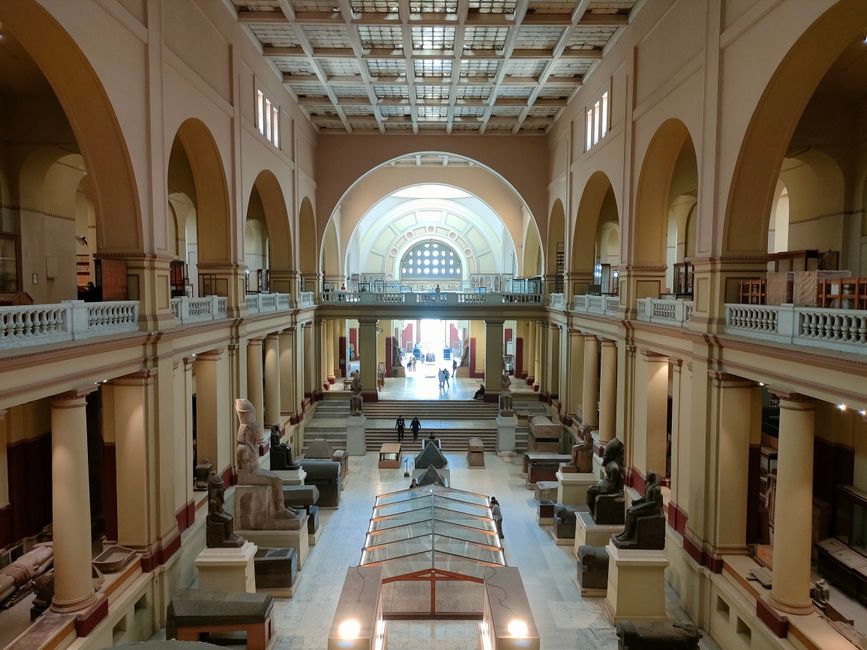
The museum functions as a repository for the natural and cultural history of the Free State. The palaeontology hall is the primary draw, housing significant fossil finds that document the region's prehistoric past. Beyond the bones, the cultural history displays offer a detailed, if traditional, look at the development of Bloemfontein and the surrounding province. You will find exhibits covering everything from early colonial history and the Anglo-Boer War to the medical traditions of the region. The displays are dense with information, reflecting the institution's long-standing role as a research centre. If you have a specific interest in geology or herpetology, the dedicated halls provide a deep dive into these subjects, though the presentation style remains firmly rooted in the classic museum tradition of glass cases and descriptive placards.
Navigating the space
Prioritise the palaeontology and the Bloemfontein-Mangaung history sections if your time is limited. These areas provide the most context for the city you are standing in. The layout is straightforward, and the building is designed for a logical, linear progression through the various disciplines. Because the museum is a research-led institution, the information provided is extensive; do not expect to skim the exhibits in twenty minutes if you want to grasp the narrative. The museum is fully accessible, with a lift available for those who need it, making the upper floors easy to reach. Bring a notebook if you are a serious student of history, as the sheer volume of text and detail in the historical displays can be overwhelming to process in a single pass.
Practicalities and satellites
The museum is located on Aliwal Street, which is central and easy to reach by car. Parking is available, but it is worth noting that the museum's reach extends far beyond this single building. If you are planning a full day of heritage exploration, consider that the National Museum manages several other sites, including the Oliewenhuis Art Museum and the First Raadsaal Museum. These are distinct locations that offer different experiences, such as art exhibitions or historical architecture. Do not try to cram all of these into a single afternoon. Check the current status of the satellite sites before you set out, as some may be under construction or have different operating hours. The main museum is a quiet, academic environment, so it is best suited for those who prefer a contemplative pace.
Before you book
Questions National Museum always raises
- Is the museum suitable for young children?
- Yes, it is an educational environment that works well for school-aged children. While it lacks high-tech interactive games, the natural history displays, particularly the fossils and live reptile exhibits, usually capture the interest of younger visitors who are curious about the natural world.
- Can I visit the satellite museums on the same ticket?
- The National Museum manages several satellites, but they operate as distinct entities. You should check the specific entry requirements for each site, as they are located in different parts of the city and may have their own admission policies and operating hours.
- Is there a cafe or restaurant on site?
- The museum is primarily a research and exhibition space. While there may be basic amenities, do not expect a full-service restaurant. It is better to plan for a meal at one of the many cafes in central Bloemfontein before or after your visit.
- Are the exhibits available in multiple languages?
- The museum is committed to inclusivity and provides exhibition text in three languages. This ensures that the historical and scientific information is accessible to a broad range of visitors, reflecting the diverse cultural landscape of the Free State.