Mandela Capture Site
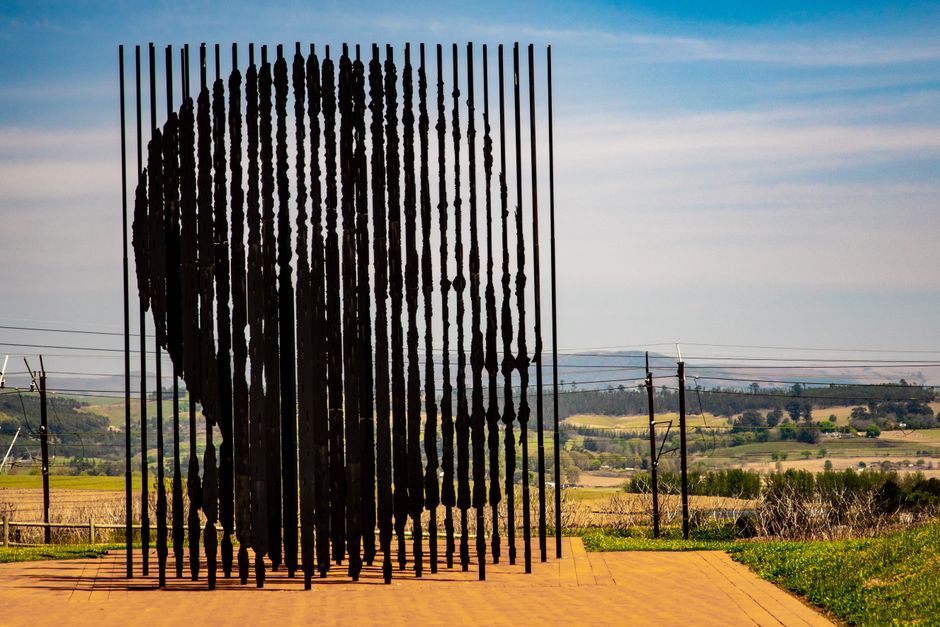
The spot where Nelson Mandela was arrested in 1962 — now marked by a steel sculpture made of 50 columns that resolve into his face.
Trip Role
Ideal stay
Best for
Our take
This is a somber, well-executed memorial that succeeds through its singular, clever sculpture. It is a necessary stop for anyone travelling the Midlands, offering a quiet moment of reflection on the scale of the struggle against apartheid.
This is a somber, well-executed memorial that succeeds through its singular, clever sculpture. It is a necessary stop for anyone travelling the Midlands, offering a quiet moment of reflection on the scale of the struggle against apartheid.
- Trip Role
- Worth a Detour
- Ideal Stay
- 60 to 90 minutes, including the walk.
- Best For
- a quiet walk, historical reflection, photography, Midlands road trips
- Skip If
- those seeking a full-day museum, visitors with limited mobility
- Go If
- You are driving the R103 through the KwaZulu-Natal Midlands and want a meaningful, low-stress historical stop that rewards patience and physical movement through the landscape.
Why it's worth your time
The 1962 arrest site, marked by a sculpture you have to walk to align — one of the country's most striking memorials.
What we love
The sculpture is a masterclass in perspective. Walking the path toward the steel columns, you see only a chaotic, industrial forest of metal. Then, at the precise thirty-metre mark, the individual poles snap into a perfect, coherent portrait of Mandela. It is a rare moment where art genuinely enhances history.
What to know
The site is located on the R103 outside Howick. Opening hours and entry fees vary by operator and season, so check current details before you leave. The walk from the visitor centre to the sculpture is exposed to the elements, so bring sun protection or a jacket depending on the season. Wear comfortable shoes for the gravel path.
The full guide
The Sculpture and the Walk
The centrepiece of the site is the sculpture titled Release, designed by Marco Cianfanelli. It consists of fifty laser-cut steel columns that vary in height from six to nine and a half metres. The installation is intentionally placed at the end of a long, winding path that mimics the long walk to freedom. As you approach the sculpture, the columns appear as a random, jagged collection of steel. Only when you reach the designated thirty-metre vantage point do the columns align to form the face of Nelson Mandela. This optical illusion is the primary reason to visit. The surrounding landscape is open and quiet, which allows the scale of the installation to feel appropriately heavy. Take your time walking the path, as the changing angles of the steel provide different perspectives on the portrait before it finally resolves.
The Visitor Centre
The visitor centre serves as the necessary prologue to the sculpture. It houses an exhibition that details the events leading up to the 1962 arrest, including Mandela’s clandestine travels and his meeting with Chief Albert Luthuli. The displays use film, historical artefacts, and photographs to explain the political climate of the time and why this specific stretch of road became a turning point in South African history. Do not skip this building, as the sculpture lacks its full emotional weight without the context of the struggle it commemorates. The centre is also where you will find the most up-to-date information on site access and any temporary closures. It is a modern, informative space that provides a clear narrative arc, helping you understand the transition from Mandela’s life on the run to his twenty-seven years of incarceration.
Practicalities of the Midlands
The site sits on the R103, a route that is easy to navigate but requires a car. Because the site is managed by a non-profit, operational details like opening hours and entry fees can change. Always verify these before you depart from your accommodation. There is an on-site cafe that serves refreshments and light meals, which makes it a convenient place to break up a drive through the Midlands. The area is generally balmy, but the weather can shift quickly, and the site is largely outdoors. If you are travelling with a group or during a school holiday, expect the path to be busier. The site is designed for self-guided exploration, so you do not need to book a formal tour to get the full experience. Simply arrive, pay your entry, and walk the path at your own pace.
Before you book
Questions Mandela Capture Site always raises
- Is the site wheelchair accessible?
- The path to the sculpture is a long, outdoor walk. While parts of the site are paved, the terrain and the distance to the sculpture can be challenging. It is best to contact the site directly before your visit to confirm the current status of accessibility features.
- Do I need to book a tour in advance?
- No, you do not need to book a tour. The site is designed for independent visitors to walk through the exhibition and the sculpture trail at their own pace. If you are part of a large group, it is polite to call ahead to ensure they can accommodate you.
- Is there an entry fee?
- Yes, there is an entry fee to access the visitor centre and the memorial site. Because the site is a non-profit, these fees support the maintenance of the grounds and the exhibition. Check the official website or call ahead to confirm the current price before you arrive.
- Can I visit if it is raining?
- The site is almost entirely outdoors. While the visitor centre provides shelter, the walk to the sculpture is exposed. If the weather is poor, you will likely find the experience uncomfortable. It is better to plan your visit for a clear day to enjoy the sculpture properly.