KwaMuhle Museum
A Durban museum of segregation and labour — housed in the building that ran the city's apartheid-era pass system.
Trip Role
Ideal stay
Best for
Our take
This is a vital, sobering site that forces a confrontation with the machinery of apartheid. It is not a casual outing, but an essential, unflinching look at the administrative cruelty that defined Durban’s urban history.
This is a vital, sobering site that forces a confrontation with the machinery of apartheid. It is not a casual outing, but an essential, unflinching look at the administrative cruelty that defined Durban’s urban history.
- Trip Role
- Day Trip
- Ideal Stay
- 90 minutes to two hours
- Best For
- understanding apartheid administration, local labour history, urban social context
- Skip If
- casual tourists, young children, those seeking light entertainment
- Go If
- You want to understand the structural reality of apartheid beyond the headlines. It suits travellers who prefer historical depth and social context over the city's typical beach-focused tourist itinerary.
Why it's worth your time
Durban's apartheid museum, in the building that ran the pass laws — the city's labour history told honestly.
What we love
The building itself is the most powerful exhibit. By housing the museum in the former Native Administration Department, the site forces you to stand in the very rooms where the pass laws were enforced, turning the architecture into a haunting witness to the history it documents.
What to know
The museum is closed on Sundays and public holidays, and Saturday hours are short, ending at midday. It is located on Bram Fischer Road in the city centre. Check the official Durban History Museums website before you travel, as exhibition availability and group booking requirements can vary by season.
The full guide
The weight of the building
You are not entering a neutral space. This building served as the Native Administration Department, the central hub for enforcing the pass laws that restricted the movement of black residents. The architecture was designed to process large numbers of people through a system of control, and that history remains etched into the layout. When you walk through the entrance, you are stepping into the machinery of the apartheid state. The museum uses this setting to ground its exhibitions, which include photographs of township life and documentation of the Durban System. It is a stark, necessary reminder that the history here is not just on the walls, but in the floorboards and the very design of the rooms you occupy.
Navigating the exhibitions
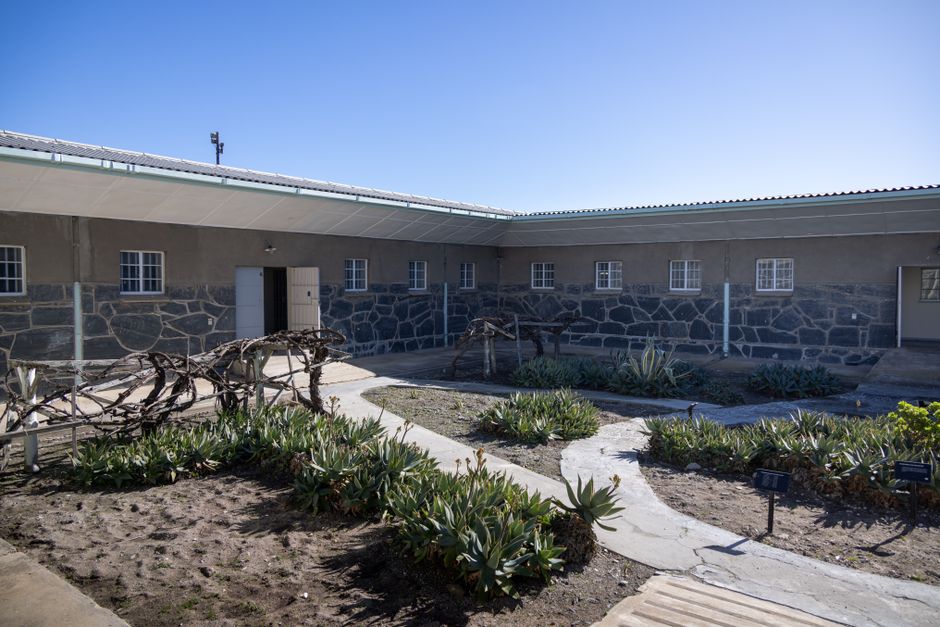
Prioritise the permanent Durban System exhibition, which provides the essential framework for understanding how the city managed its labour force. The Mkhumbane Gallery is also worth your time, featuring photographs that document the forced removals and the development of townships like KwaMashu and Umlazi. The displays are dense with information, relying heavily on archival prints and oral testimonies. Do not expect a quick walkthrough; the content requires patience and a willingness to read. The museum aims to correct historical inaccuracies, so pay attention to the specific narratives regarding trade unions and cultural organisations. If you find the interior displays overwhelming, the courtyard offers a moment of reflection, featuring a sculpture titled The Shadows of the Past and a community mural project.
Practicalities of the visit
The museum is located at 130 Bram Fischer Road in central Durban. It is easily accessible, but the surrounding area is a busy urban environment, so plan your transport accordingly. Admission is free, which makes it an accessible stop for anyone exploring the city centre. Because the museum is part of a larger network of local history sites, it maintains a professional but modest operation. Always verify the current opening hours before you leave, as they are strictly enforced and the facility closes on Sundays and public holidays. If you are travelling in a group, it is wise to contact the administration in advance to ensure the space can accommodate you. Combine this visit with a walk through the nearby Indian district to see the Juma Masjid Mosque.
Before you book
Questions KwaMuhle Museum always raises
- Is there an entry fee for the museum?
- No, admission to the KwaMuhle Museum is free. It is a public facility managed as part of the Durban Local History Museums network, intended to make this history accessible to all residents and visitors.
- How much time should I set aside for a visit?
- Plan for at least 90 minutes to two hours. The exhibitions are text-heavy and require time to read and process, especially if you want to engage with the photographic archives and the history of the Durban System.
- Is the museum accessible for wheelchair users?
- The accessibility status is not explicitly confirmed in public records. Given the age and original administrative purpose of the building, it is advisable to contact the museum directly at 031 311 2237 to discuss specific access requirements before your visit.
- Can I visit on a weekend?
- Yes, the museum is open on Saturdays from 08:30 to 12:30. It is closed on Sundays and all public holidays, so plan your trip during the week or on a Saturday morning to avoid disappointment.