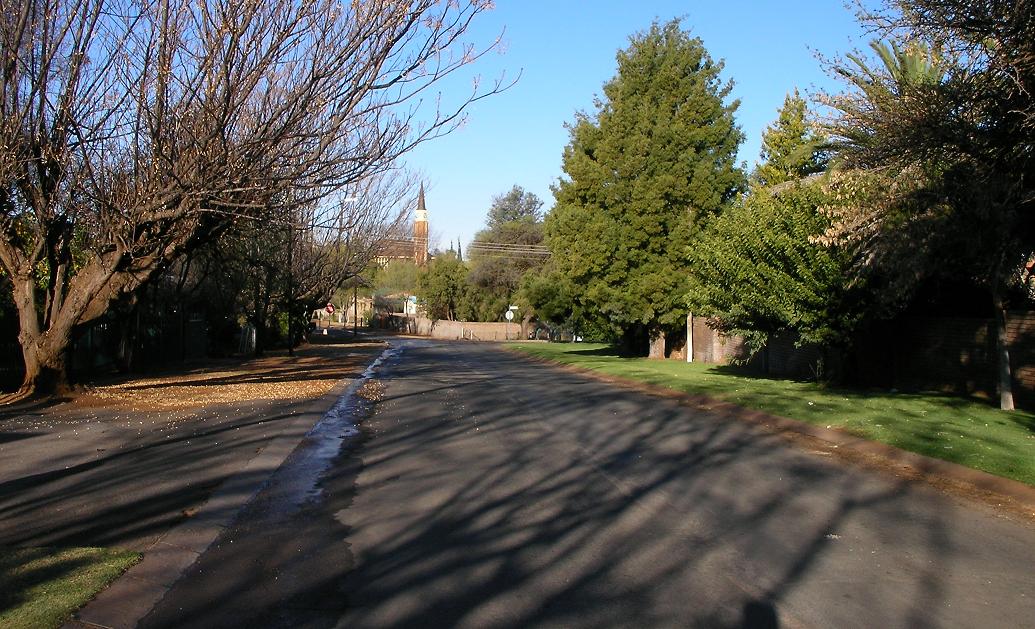
Kuruman
The Oasis of the Kalahari — a mining town with a perennial spring that sustained travellers for centuries.
Trip Role
Ideal stay
Best for
Our take
The last provisioning stop before the Kalahari — fuel up, see the spring that made the route possible, and move on.
The last provisioning stop before the Kalahari — fuel up, see the spring that made the route possible, and move on.
- Trip Role
- Quick Stop
- Ideal Stay
- A provisioning stop
- Best For
- Kgalagadi expedition provisioning, mission-history readers.
- Skip If
- Touring travellers without a Kalahari plan.
- Go If
- You're driving to the Kgalagadi and need the last provisioning stop.
- Worth Extra Drive
- 0 min
Why go
A mining town on the edge of the Kalahari, called the Oasis of the Kalahari for the Die Oog spring that has gushed water here for as long as people have lived in the region. For travellers Kuruman is a functional stop on the road to the Kgalagadi — fuel, supplies, and the spring — with the Moffat Mission as the historical extra. It's the last proper town before the long drive into the Kalahari, which is its honest role.
What we love
Die Oog spring — the water that made the Kalahari route possible; the Moffat Mission.
What to know
Last full fuel and supplies before Kgalagadi — don't skip it. The spring and mission are a short stop in town.
What's here

More town in Northern Cape
Calvinia
A Karoo town under the Hantam Mountains with the country's largest collection of Cape gabled houses and a giant sheep.

Carnarvon
A remote Karoo town and the base for the Square Kilometre Array — radio astronomy on a planetary scale.

Colesberg
The classic Karoo halfway stop on the N1 between Joburg and Cape Town — horse country, Victorian churches, and a proper overnight.

Nieuwoudtville
The bulb capital of the world — a sandstone Karoo town that explodes into wildflowers for six weeks a year.

Springbok
The Namaqualand capital — the spring flower town at the fork of the N7 toward Namibia.

Sutherland
South Africa's stargazing capital — cold, remote, and home to SALT, the southern hemisphere's largest telescope.