Hluhluwe–iMfolozi Park
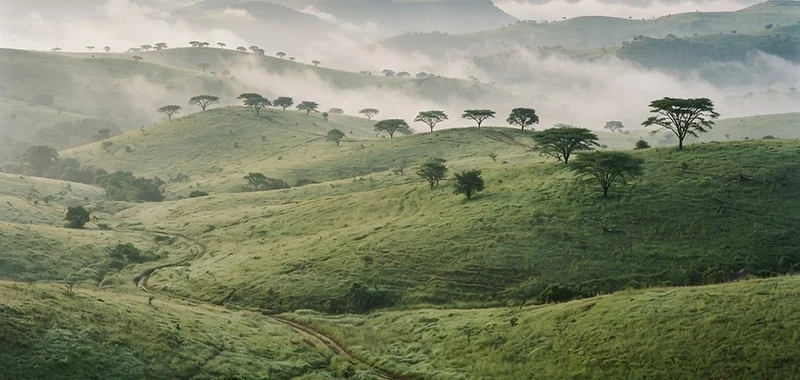
The oldest proclaimed game reserve in Africa and the cradle of white rhino conservation — rolling KZN hills with strong Big Five and wild dog.
Trip Role
Ideal stay
Best for
Our take
The oldest game reserve in Africa, and the reason white rhino still exist.
The oldest game reserve in Africa, and the reason white rhino still exist.
- Trip Role
- Trip Anchor
- Ideal Stay
- 1-2 nights
- Best For
- Self-drivers, rhino-focused travelers, anyone pairing with iSimangaliso.
- Skip If
- Those who want luxury lodges or predator density of the lowveld.
- Go If
- You're in KZN and want a serious self-drive reserve without Kruger's crowds.
What to optimise for
What Hluhluwe–iMfolozi Park rewards
The same reserve can be a different trip depending on what you came for. Choose the version you want, then plan around it.
- Rhino tracking enthusiasts
- This park is the historic home of Operation Rhino and remains the best place to see these animals in their natural range. Focus your time on the iMfolozi side for open savanna sightings. You must accept that rhino visibility depends on tracking skills and significant patience during daylight hours.
- Independent self drive
- Navigating the varied terrain requires a steady hand and attention to the maps provided at entry. The park offers an authentic experience far removed from commercial safari queues. The trade-off is the lack of hand-holding; you are responsible for finding your own sightings across the vast hilly landscape.
- Coastal bush pairing
- Combine the inland ruggedness of this reserve with the marine parks of iSimangaliso Wetland Park located just an hour to the east. This route offers a complete KwaZulu-Natal experience. Expect to sacrifice deep immersion in either park for the sake of covering more ground during your limited holiday time.
- Conservation history seekers
- Walk the grounds and explore the viewpoints where wardens fought to save the white rhino from total extinction. Every drive feels heavy with heritage. You sacrifice the modern luxury of manicured private lodges for a raw encounter with the roots of African wildlife management and hard-won ecological success stories.
When to go
Timing a visit to Hluhluwe–iMfolozi Park
Rain, grass and water decide what you see. These are the trade-offs, season by season.
May to September dry winter
BestThe grass dies back and animals congregate around permanent water sources, making sightings predictable and easy. Mornings are crisp and cold, so pack layers. While the scenery is brown and dusty, the risk of malaria is significantly lower during these months, and the bush density does not obscure your view.
November to March green season
MixedThe landscape turns lush and heavy with moisture, making it difficult to spot predators in the thick vegetation. Frequent afternoon storms create difficult driving conditions. You get the benefit of newborn animals and migrant bird arrivals, but the heat is draining and the risk of malaria increases significantly here.
April and October shoulders
GoodThese transitional months offer manageable temperatures and thinner bush than the summer peak. Crowds are thinner than in mid-winter. You catch the tail end of the dry season or the beginning of the growth, offering a balance between wildlife visibility and a landscape that is not yet completely parched.
How long to stay
Nights, and what each one buys
Nights are the unit of cost here. This is the honest return on each one.
- Day visit
- This is rarely worth the fuel or time investment. Most of your day will be spent on the transit roads getting to the better game viewing areas. You will miss the prime early morning and late afternoon hours when the animals are most active and visible near the tracks.
- Two to three nights
- This duration is the sweet spot. It allows you to explore both the hilly northern Hluhluwe sector and the flatter, more open iMfolozi side. You have enough time to recover from the drive and settle into a rhythm of early morning starts and relaxed afternoon game viewing sessions.
- A week
- Stay this long only if you plan to move between different camp locations or use the park as a base to visit neighbouring sites. For pure game viewing, the law of diminishing returns sets in after four days as you will likely have covered all accessible routes multiple times.
Getting there
Airport, road, gate
Distances here are hours, not kilometres. Fuel up before the last town.
- Nearest airport
- King Shaka International Airport in Durban is the primary hub. It is roughly three hours of driving to the park entrance. Rent a vehicle at the terminal as public transport to the gates is non-existent. International connections are frequent, making this the most logical arrival point for visitors.
- Drive
- Expect a straightforward three-hour drive from Durban via the N2 highway. The roads are generally well-maintained, though traffic can be heavy near the urban centres. Once you leave the main road, the approach to the gates involves secondary routes that require focus due to local pedestrian and animal traffic.
- Gates and hours
- Gate times are strictly enforced and vary by season. You must arrive before sunset to reach your camp safely. Being locked out of the gate is a genuine risk that ruins itineraries. Check official schedules as these shift slightly based on daylight hours and current park management directives.
- Roads and vehicle
- A standard sedan is perfectly capable of navigating the main arterial routes within the park. If you plan to explore the rougher secondary loops, a vehicle with higher ground clearance is preferable. Gravel roads can become slick and muddy during the rainy season, impacting traction and travel speed significantly.
Where to base yourself
Three kinds of base
The base decides your gate times, your privacy and your bill more than the reserve does.
Inside the park camps
Staying at Hilltop or Mpila is the most authentic experience. You are immersed in the sounds and rhythms of the bush. Facilities are functional and rustic. You pay for the privilege of being first on the road each morning and the last to return after dark.
Private concessions
These offer an elevated level of comfort and privacy compared to the public camps. You get private game drives and more refined catering. Rates vary considerably, and you pay a premium for exclusivity. This is the choice for those who dislike shared roads and self-navigation headaches.
Gateway towns
Towns like Hluhluwe offer budget-friendly guesthouses and easier access to supplies. You lose the safari atmosphere by having to commute to the gate every day. This option is better for travellers watching their budget or those who do not intend to spend every waking hour inside the park.
Day trips and detours
What else the day holds
Most stays run on a fixed rhythm of dawn and dusk drives. The middle of the day is yours.
iSimangaliso Wetland Park
60 kilometres, 1 hour
This trip is highly recommended. It offers a radical change in scenery from bushveld to coastal lakes and pristine beaches. Spend a full day here to experience the marine side of the region. Do not try to rush back to the park for an afternoon drive the same day.
False Bay Park
40 kilometres, 45 minutes
This is a quiet corner for those who enjoy walking trails and birding. It lacks the big game density of the main park but provides a peaceful atmosphere. Only visit if you have excess time and want to escape the vehicle for a few hours in the coastal forest.
Local cultural villages
Varies by location
Several community-run centres operate near the borders. Some are informative while others feel like staged performances for tourists. Research individual operators carefully before committing your time. These trips are optional; they do not enhance your safari experience but offer a perspective on the Zulu people living nearby.
What it costs
The money, in bands
Rand rates and park fees change. Compare the bands, then check current figures with the park or the lodge directly.
- Park or reserve fees
- These are mandatory and vary based on your residency status and the season. Always check the latest rates on the official park website before departure. Fees cover basic conservation efforts and road maintenance within the reserve boundaries. Do not forget to account for daily conservation levies per person.
- Self-catering
- This is the most cost-effective way to experience the park. You control your food budget by bringing supplies from major urban centres. Rates for park-run accommodation vary by unit size and quality. It requires more planning, but it is the only way to avoid inflated restaurant prices inside.
- Mid-range guided
- You pay for convenience and expert knowledge. Costs include game drives in open vehicles and full-board accommodation. Rates vary by season and lodge operator. You avoid the stress of driving yourself, but you lose the flexibility of setting your own schedule and stopping whenever you spot something.
- Top end and fly-in
- This is the luxury tier involving private air transfers and high-end lodges. Costs are substantial and vary based on the package inclusions and seasonal demand. You receive personal service and gourmet dining in remote, exclusive locations. It is the most expensive way to visit but requires zero planning.
Why it's worth your time
Hluhluwe-iMfolozi is the oldest proclaimed game reserve on the continent and the cradle of white rhino conservation — the species was saved here and re-populated across southern Africa from this park. It's a proper Big Five reserve on KZN hills, scenically different from the lowveld, with self-drive routes, a couple of SANParks camps, and far fewer vehicles than Kruger. The game density is real, the rhino viewing is good, and the variety of habitats — from the Hluhluwe hill country to the open iMfolozi plains — keeps a two-day visit interesting. Summer is low malaria risk; most travelers don't medicate in winter. It pairs naturally with iSimangaliso an hour east.
What we love
Rhino on the iMfolozi plains and the sense of conservation history.
What to know
Low malaria risk in summer. Self-drive; Hilltop and Mpila are the main camps.
The full guide
What it is like
Hluhluwe–iMfolozi is defined by its topography. Unlike the flat expanses of the lowveld, this park is a landscape of steep hills, deep valleys, and rugged ridges. The northern Hluhluwe section is dominated by dense woodlands and thickets, while the southern iMfolozi section transitions into more open savanna and riverine plains. The light here feels filtered through the rolling mist of the KwaZulu-Natal interior, and the soundscape is dominated by the constant rustle of wind through high grass and acacia scrub.
Stepping into the park during your first hour feels like an exercise in navigating narrow, winding tracks rather than a sweeping cruise across an open plain. You are constantly climbing or descending, which makes every corner a potential blind spot for wildlife. It feels significantly more intimate and claustrophobic than the vast Kruger National Park. The scale is manageable but unforgiving for those who want to cover vast distances quickly. It is a place that demands patience and a low gear because the horizon is almost always blocked by another rise of green hills.
Wildlife, realistically
This is the primary place on the continent to understand the survival of the white rhino. You will see them. The conservation history here is not just a plaque at the gate; it is visible in the density of the rhino population wandering the iMfolozi plains. Expect to encounter them grazing in small groups throughout the day, often near the riverbeds or open drainage lines where water persists. Other Big Five species are present but fluctuate in visibility based on the density of the bush.
Elephants are common, though they often prefer the deeper thickets where they can disappear in seconds. Lions are notoriously difficult to track here compared to more open reserves because the terrain allows them to slip into gullies and forest patches with ease. Leopards are present but are rarely seen by the casual driver. Do not expect the constant, easy sightings of the open plains. Most animal movement is dictated by the availability of water in the river systems. If you are specifically chasing the predators, you will find yourself frustrated by the topography and the thick vegetation that hides them.
How a visit works
The park is set up primarily for the self-drive traveller who is comfortable navigating narrow tracks and steep gradients. You do not need a specialist guide to get deep into the bush, though the guided drives from the main camps like Hilltop or Mpila can provide a different perspective. These camps serve as the anchor points for your trip, and their location dictates your daily loop. The drive from one end of the park to the other takes time because of the road layout and the inevitable stops for wildlife.
One or two nights is sufficient to cover the main sections of the reserve. Attempting to see it all in a single afternoon is a mistake because the drive from the park entrance to the central plains consumes far too much of your light. A three-night stay is likely overkill unless you are dedicated to sitting at waterholes for hours on end. The rhythm of a visit involves early morning starts to beat the heat, returning to camp at midday, and heading back out as the afternoon light softens the harsh shadows of the valleys.
When to go
The winter months from May to September are the undisputed choice for visibility. The grass dies back, the trees lose their leaves, and the water sources shrink to small, muddy pools that pull game into the open. This is when the hills stop feeling like a green wall and start revealing the animals hiding within. It is cool, dry, and generally comfortable for sleeping in tents or chalets without the need for air conditioning.
Summer brings heat, humidity, and the risk of malaria, though the risk remains low compared to the northern reaches of the country. The park becomes thick, lush, and difficult to see through. While the summer rains bring spectacular green scenery, they also make game viewing a frustrating game of hide and seek. Crowds are rarely a problem here compared to major national parks, but you will pay a premium in terms of sheer exertion and sweat during the peak of the summer heat. If your priority is seeing the big game without constant frustration, wait for the winter.
Who it suits, who it does not
This reserve rewards the independent traveller who prioritises conservation history and a rugged, mountainous aesthetic. If you want to pair your safari with a coastal trip to iSimangaliso, the location is ideal. It suits those who are tired of the tour bus congestion found elsewhere and want a sense of seclusion in a well-managed wilderness. You must be comfortable behind the wheel and willing to accept that the bush will often win the game of hide and seek.
It frustrates the traveller who expects luxury lodge experiences and easy-to-spot predators on every drive. If your primary goal is ticking off a list of sightings in a short window of time, the density of the bush will leave you disappointed. The terrain is a barrier for those with low stamina for driving or those who struggle with the physical demands of a park that lacks flat, open vistas. If you are looking for wide-open savanna where wildlife is perpetually on display, you should look toward the Kalahari or the northern plains of more arid reserves, as this park will only make you feel confined.
Before you book
Questions Hluhluwe–iMfolozi Park always raises
- Is there a significant malaria risk?
- The park is located in a low-risk malaria zone. Winter travellers rarely use prophylaxis, but summer visitors should consult a doctor regarding preventative medication. Always use mosquito repellent in the evenings, especially during the wetter months when insect activity peaks. It is a reality of the KZN lowveld environment.
- Should I choose self-drive or guided drives?
- Self-drive offers the best value and freedom to explore at your own pace. Guided drives are superior for spotting animals, as trackers have years of local expertise. If you want to learn about the bush and ecosystem, book a guide. If you prefer solitude, stick to your own car.
- Do I need a 4x4 vehicle?
- No, a 4x4 is not required. The main roads are maintained to a standard that allows any sedan to pass. You only need a higher vehicle if you intend to push into remote sectors or if the weather has been extremely wet. A normal car is perfectly adequate for most visitors.
- Are children allowed in the park?
- Children are welcome, but note that many guided activities have age restrictions. The park is a family-friendly destination, yet you must ensure children remain in the vehicle during drives for their safety. Always supervise them closely at the camps, as wild animals move through unfenced areas frequently.
- How far is it from the major cities?
- Durban is the closest major city, located about three hours away by car. Johannesburg is much further, requiring a full day of driving of roughly seven to eight hours. Cape Town is not a practical starting point unless you are planning a very long multi-day cross-country road trip.