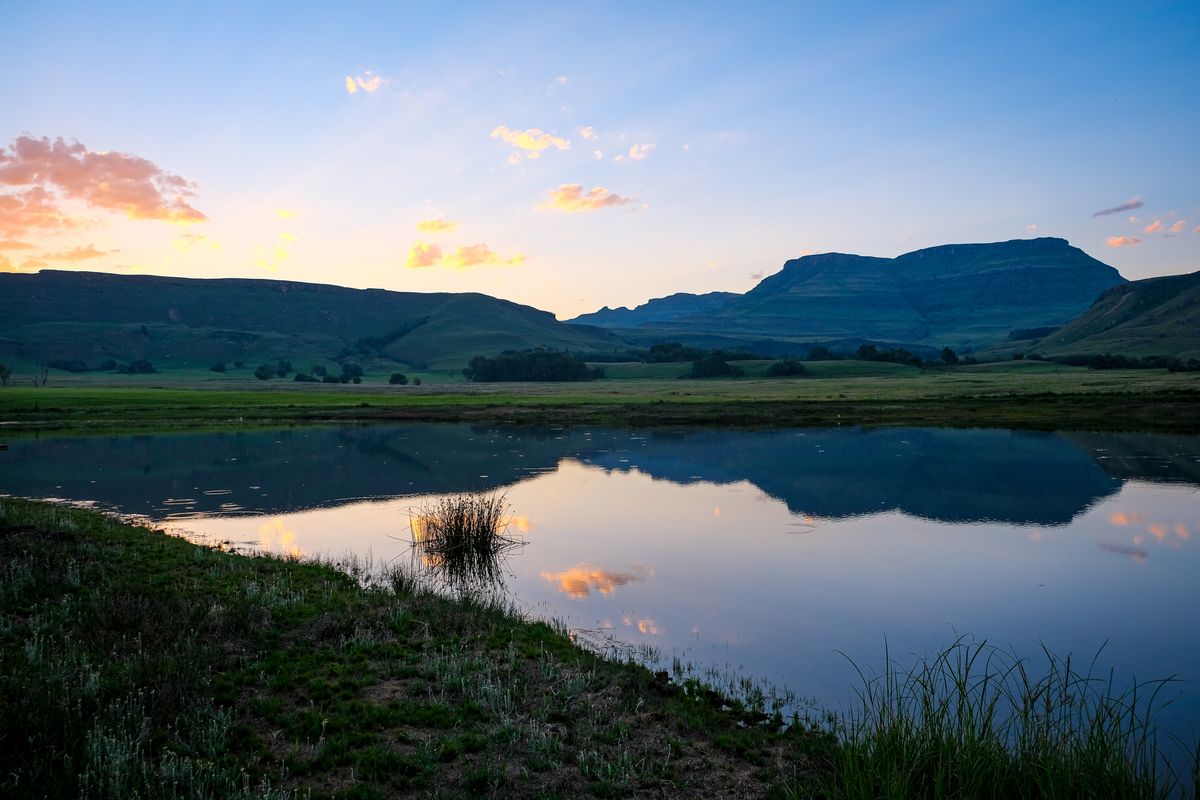
Cederberg Wilderness Area
A sandstone range of arches, caves, and San rock art north of Cape Town — the Cape's backcountry.
Trip Role
Ideal stay
Best for
Our take
The Cederberg is a rugged, sun-baked expanse of sandstone and silence. It is not a place for casual sightseeing, but for those who value remote, challenging terrain and the stark beauty of the Cape’s high-altitude backcountry.
The Cederberg is a rugged, sun-baked expanse of sandstone and silence. It is not a place for casual sightseeing, but for those who value remote, challenging terrain and the stark beauty of the Cape’s high-altitude backcountry.
- Trip Role
- Overnight
- Ideal Stay
- Two to three days, plus the drive.
- Best For
- challenging mountain hikes, San rock art, bouldering, stargazing, absolute quiet
- Skip If
- casual day-trippers, those seeking luxury, travellers without a high-clearance vehicle
- Go If
- You are a serious hiker or climber who values solitude and is prepared to navigate gravel roads, carry your own water, and manage your own safety in a remote, off-grid environment.
Why it's worth your time
Wolfberg Arch, the Maltese Cross, Stadsaal, and rock art you walk to. It's hot, dry, and remote; carry water and stay overnight at a farm if you can. The stars are the reward.
What we love
The sheer scale of the landscape. Unlike the lush, green slopes of the nearby mountains, the Cederberg feels ancient and exposed. The combination of wind-sculpted sandstone cathedrals and the quiet, haunting presence of San rock art creates a sense of isolation that is increasingly rare in the Western Cape.
What to know
Permits are non-negotiable and often split between CapeNature and private farms like Sanddrif. You must carry at least two litres of water per person, even on short walks. Cell reception vanishes once you leave the main roads, and weather can shift from scorching heat to freezing cold in hours. Always check road conditions after rain, as gravel access can become treacherous.
The full guide
Navigating the permit system
The Cederberg is not a single, unified park. It is a complex patchwork of CapeNature wilderness areas and private farmland. This means you cannot rely on a single entry ticket. If you are heading to the famous Wolfberg Arch or the Maltese Cross, you will likely need to secure permits through the office at Sanddrif farm. If you are hiking the trails around the Algeria station, you deal with CapeNature directly. Do not assume that a permit for one area grants you access to another. Always check which authority manages your intended trailhead before you leave home. If you arrive without the correct paperwork, you will be sent back to the nearest office, which can add hours to your day.
The reality of the terrain
This is a harsh, dry environment. The sandstone formations like the Stadsaal Caves and Truitjieskraal are spectacular, but they offer almost no shade. In summer, temperatures regularly exceed 40 degrees Celsius, making midday hiking dangerous. You are responsible for your own safety here. There are no shops, no water taps, and no rescue teams waiting around the corner. You must carry enough food and water for the day, plus extra in case of emergency. If you are hiking into the wilderness blocks, you are expected to be self-sufficient. The trails are often steep, rocky, and exposed to the elements. If you are not an experienced hiker, stick to the shorter, well-trodden interpretive paths near the parking areas.
Combining the drive and the stay
The Cederberg is a three-hour drive from Cape Town, and the final stretch involves significant gravel road travel. Trying to do this as a day trip is a mistake that leaves you exhausted and rushed. Treat this as an overnight trip at minimum. Staying at a farm or campsite allows you to start your hikes at first light, which is the only way to beat the heat and the crowds. If you have a high-clearance vehicle, you will have an easier time reaching the more remote trailheads, but even with a standard car, you can reach the main hubs if you drive slowly. Use your time to explore the rock art sites in the morning and spend the afternoons in the shade of the river valleys.
Before you book
Questions Cederberg Wilderness Area always raises
- Do I need a 4x4 to visit the Cederberg?
- Not necessarily, but a high-clearance vehicle is highly recommended. While the main roads to major sites like Algeria and Sanddrif are manageable in a standard car, many secondary roads are rough, rocky, and prone to damage after storms. Check current road conditions with your accommodation provider before you depart.
- Can I just walk to the rock art sites?
- Some sites, like those at Stadsaal and Truitjieskraal, are easily accessible from parking areas. Others require a significant hike. Regardless of the distance, you must have a valid permit for the area. Never touch the paintings, as the oils from your skin cause permanent damage to the fragile pigments.
- Is it safe to hike alone in the Cederberg?
- CapeNature strongly advises against hiking alone. The terrain is remote, trails are often poorly marked, and there is no cell reception to call for help. Always hike with at least two other people, carry a detailed map, and leave your route plan with someone at your accommodation.
- When is the best time to visit for hiking?
- May through September offers the most comfortable temperatures for strenuous hiking. Summer is extremely hot and often dangerous for long-distance walking. If you visit in winter, be prepared for freezing nights and the possibility of snow on the high peaks, so pack accordingly.