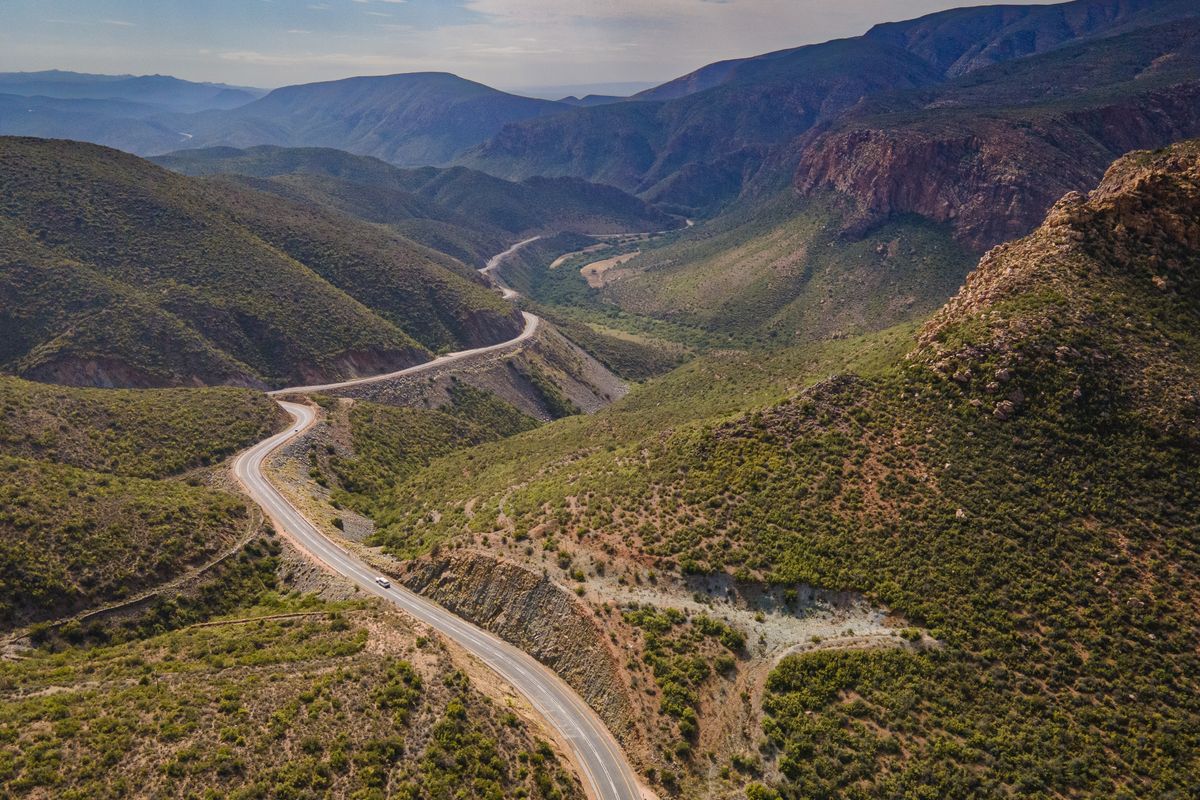
Cathedral Peak Hike
A Drakensberg summit hike to Cathedral Peak — a full-day, exposed, big-view climb from the Didima valley.
Trip Role
Ideal stay
Best for
Our take
This is a serious, full-day mountain objective that demands fitness and a head for heights. It is a rewarding, high-altitude scramble that offers one of the most dramatic vantage points in the entire Drakensberg range.
This is a serious, full-day mountain objective that demands fitness and a head for heights. It is a rewarding, high-altitude scramble that offers one of the most dramatic vantage points in the entire Drakensberg range.
- Trip Role
- Only If Nearby
- Ideal Stay
- 8 to 10 hours, plus travel time
- Best For
- high-altitude summit views, challenging mountain scrambling, serious day-long hiking
- Skip If
- casual walkers, those with vertigo, families with young children
- Go If
- You are a fit, experienced hiker who enjoys steep, exposed terrain and wants to stand on a prominent, free-standing summit. You must be comfortable with basic scrambling and unpredictable mountain weather.
Why it's worth your time
A serious Drakensberg summit — a long, exposed day to one of the berg's most photographed peaks.
What we love
The sheer scale of the ascent provides a sense of isolation that is rare for such a well-known peak. Once you clear the initial slog, the final push onto the spine of the mountain feels like walking along the edge of the world.
What to know
The weather is the primary factor here. Clouds and lightning can move in with little warning, making the exposed upper ridges dangerous. Always start at first light to ensure you are off the summit before the afternoon heat or storms arrive. Carry more water than you think you need, as sources are scarce on the upper slopes.
The full guide
The ascent and the day
The hike is a long, demanding day that begins in the valley and climbs steadily toward the Cathedral Ridge. You will spend the first few hours gaining significant elevation on well-defined but steep paths. As you move higher, the terrain shifts from grassy slopes to rugged, rocky ground. The route is roughly 19 to 22 kilometres round trip, and the pace is dictated by your fitness and the frequency of your stops. You should expect to spend the better part of the day on your feet, as the path is relentless and offers little in the way of flat ground. The final approach to the summit is where the character of the hike changes, requiring you to navigate narrow ledges and steep rock bands that demand your full attention and steady footing.
Handling the exposure
The upper mountain is not a simple walking trail. You will encounter sections of exposed scrambling that require you to use your hands for balance and stability. While no technical climbing gear is required in dry conditions, the steepness of the ground is significant. If you have a fear of heights, the sections near the summit will be uncomfortable. Some parts of the route are marked by cairns, but the path can be difficult to follow if visibility drops. If you are unsure of your ability to navigate the scramble or the route, hiring a local guide is a sensible decision. They are familiar with the specific ledges and can provide assistance, including ropes if conditions require them. Never attempt the final scramble in wet or icy conditions, as the rock becomes treacherous.
Weather and preparation
The Drakensberg is notorious for rapid weather shifts. You must carry warm, waterproof layers regardless of the forecast, as temperatures can plummet on the summit. Lightning is a genuine risk during the summer months, and you should turn back immediately if clouds begin to gather or if you hear thunder. Water is limited, so carry enough for the entire duration of the hike. The sun is intense at this altitude, so sun protection is essential. Check the conditions with the local camp or hotel before you set out, as they often have the most current information on trail status and weather patterns. Always sign the mountain register before you leave and ensure you sign out upon your return, as this is a critical safety measure for all hikers in the area.
Before you book
Questions Cathedral Peak Hike always raises
- Do I need a guide to climb Cathedral Peak?
- You do not strictly need a guide if you are an experienced hiker comfortable with route finding and scrambling. However, if you are unfamiliar with the Drakensberg or the specific route, a guide is highly recommended to navigate the exposed sections and manage the risks of changing weather.
- Is the hike suitable for beginners?
- No. This is a strenuous, full-day mountain ascent that requires high fitness levels and experience with exposed terrain. Beginners should stick to the lower valley trails, such as the walk to Rainbow Gorge or Doreen Falls, which offer scenery without the extreme physical and technical demands of the summit.
- What happens if the weather turns bad?
- You must turn back. The peak is a lightning magnet, and the exposed ridges become dangerous in rain or mist. Mountain weather in the Drakensberg changes in minutes, so do not gamble on the conditions improving. Your safety depends on your willingness to abandon the summit when the weather dictates.
- Are there water sources on the trail?
- Water is scarce, particularly on the upper slopes and the ridge. You should carry all the water you need for the entire day from the start. Do not rely on finding streams or springs once you have left the lower valley, as they are often dry or inaccessible.
More hike in KwaZulu-Natal

Champagne Castle Hike
A strenuous full-day hike toward Champagne Castle, one of the highest peaks in the Drakensberg.

Garden Castle Hike
A half-day to full-day hike in the southern Drakensberg's Garden Castle reserve, with sandstone towers and river walks.

Giant's Castle Hike
A Drakensberg day hike to the Giant's Castle massif and its San rock-art caves — berg grassland, cliffs, and painted shelters.

Monk's Cowl Hike
A half-day to full-day hike in the central Drakensberg at Monk's Cowl, with escarpment views.

Mont-aux-Sources Hike
The hike to the source of the Tugela and the Drakensberg's highest stretch — chain ladders, escarpment, and the lip of Tugela Falls.

Sentinel Chain Ladder Hike
The classic Royal Natal hike up the chain ladders to the top of the Amphitheatre — South Africa's most dramatic summit approach.