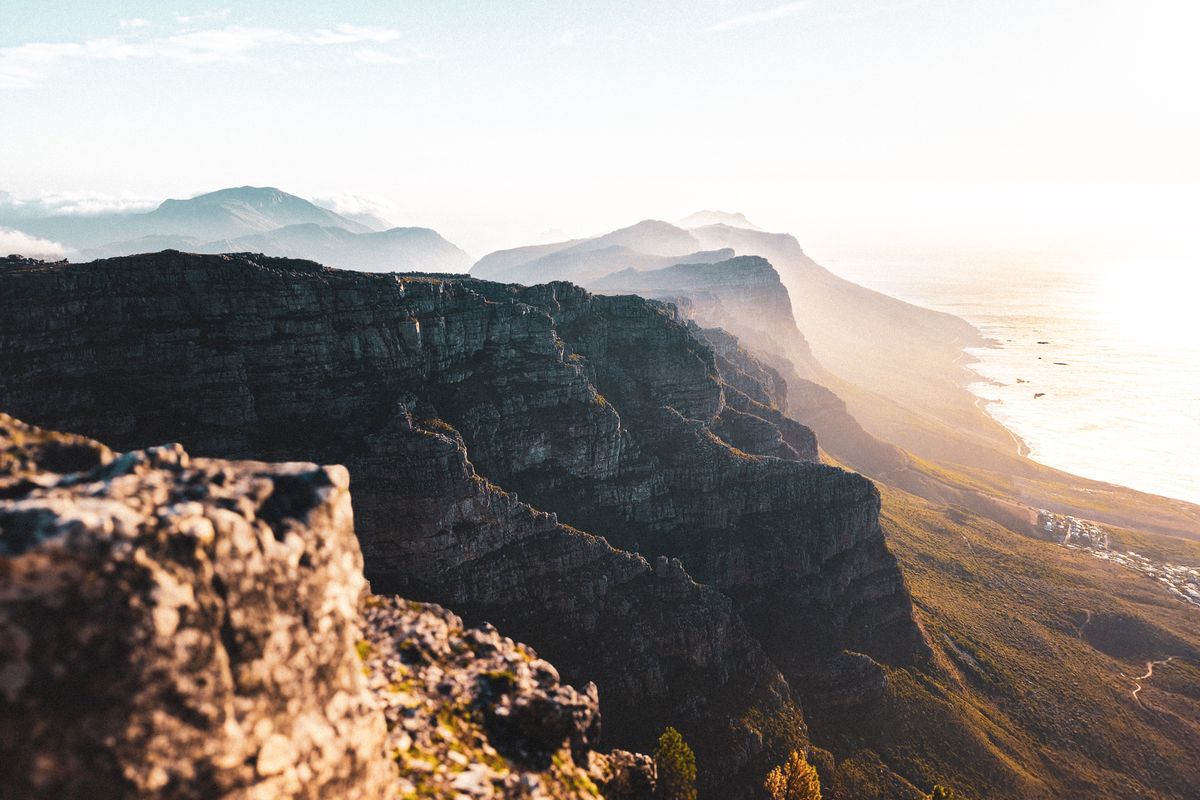
Bourke's Luck Potholes
Strange, swirling rock potholes where the Treur and Blyde rivers meet — the start of the canyon.
Trip Role
Ideal stay
Best for
Our take
This is the most visually arresting geological site on the Panorama Route. It is a rare instance where the natural reality exceeds the marketing, offering a stark, sculptural landscape that feels genuinely ancient and distinct from the surrounding escarpment.
This is the most visually arresting geological site on the Panorama Route. It is a rare instance where the natural reality exceeds the marketing, offering a stark, sculptural landscape that feels genuinely ancient and distinct from the surrounding escarpment.
- Trip Role
- Quick Stop
- Ideal Stay
- 45 to 90 minutes
- Best For
- geology enthusiasts, families, photographers, a quick but high-impact nature walk
- Skip If
- travellers with limited mobility, those seeking quiet solitude
- Go If
- You appreciate raw geology or are travelling with children who need to move around. It is a reliable, high-impact stop that remains visually interesting even when the mountain mists obscure the distant canyon views.
Why it's worth your time
Geology over scenery: carved basins in black and ochre rock. Walk the bridges over the potholes; it's busier than the falls but genuinely unlike anything else on the route.
What we love
The sheer tactile nature of the rock. Unlike the distant viewpoints where you look at a landscape, here you are physically positioned above the churning water, looking down into deep, smooth cylinders carved into the bedrock. The contrast between the rust-red stone and the dark, swirling water is visually striking.
What to know
Entry fees vary by operator and nationality, so check current rates before arriving. The site is managed by the Mpumalanga Tourism and Parks Agency. Wear sturdy, closed shoes as the rock surfaces near the water can be incredibly slippery. The site is open daily, but arrive early or late to avoid the peak tour bus crowds.
The full guide
The geological spectacle
You are looking at the confluence of the Treur and Blyde rivers, where thousands of years of waterborne sand and pebbles have acted like a drill. The result is a series of deep, cylindrical shafts and smooth, swirling basins carved directly into the sandstone. It is a raw, sculptural landscape that feels entirely different from the green, forested slopes of the rest of the Panorama Route. The footbridges are positioned to give you a direct, vertical view into these formations. It is one of the few places in the region where the geology is the primary attraction rather than just a backdrop for a view. The site is well-maintained with fenced walkways, but the rock itself is uneven and can be slick, so keep your eyes on your footing rather than just the water.
Planning your visit
The site is located directly on the R532, making it an easy stop between Graskop and the Three Rondavels. You will find a visitor centre, curio stalls, and basic facilities at the entrance. Because it is a popular stop for tour buses, the paths can become crowded during the middle of the day. If you want to avoid the noise, aim to arrive before 09:30 or after 14:00. The walk itself is not strenuous, but it does involve some stairs and walking on paved paths. If you have extra time, follow the trail that leads north to the lower sections of the river. These areas are often quieter and offer a different perspective on how the river continues to shape the gorge downstream. It is a straightforward visit that requires little planning beyond checking the weather.
Combining with the route
Most travellers combine this with the Three Rondavels and God's Window to form a full day on the escarpment. If the weather is clear, start your day at God's Window to catch the views before the mist rolls in, then head north to the potholes. If the day is already misty, prioritise the potholes, as they are a ground-level feature that remains visible even when the high-altitude viewpoints are completely socked in. There are no formal dining options inside the reserve, so most people stop in Graskop for lunch or snacks before or after their visit. If you are driving from the south, you will pass several waterfalls; choose one or two to break up the drive, but do not feel obligated to stop at every single signposted cascade.
Before you book
Questions Bourke's Luck Potholes always raises
- Is the site accessible for people with limited mobility?
- The main paths are paved, but the site involves stairs and uneven terrain to reach the best viewpoints over the bridges. It is not fully wheelchair accessible, and those with significant mobility issues may find the walk to the lower sections difficult.
- Do I need to book tickets in advance?
- No, you generally pay the entry fee at the gate upon arrival. Fees vary depending on whether you are a local or international visitor, and they are subject to change by the provincial parks authority. Carry cash or a card, though card machines can occasionally be offline.
- Can I swim in the potholes?
- No, swimming is strictly prohibited. The water is deep, the currents are unpredictable, and the rock surfaces are extremely dangerous. Stick to the designated walkways and fenced viewing areas for your own safety.
- Is it worth visiting if it is raining?
- Yes. Unlike the high-altitude viewpoints that become useless in the mist, the potholes are a geological feature that you view from close range. The rain can actually make the colours of the rock more vibrant and the water more dramatic.
More viewpoint in Mpumalanga
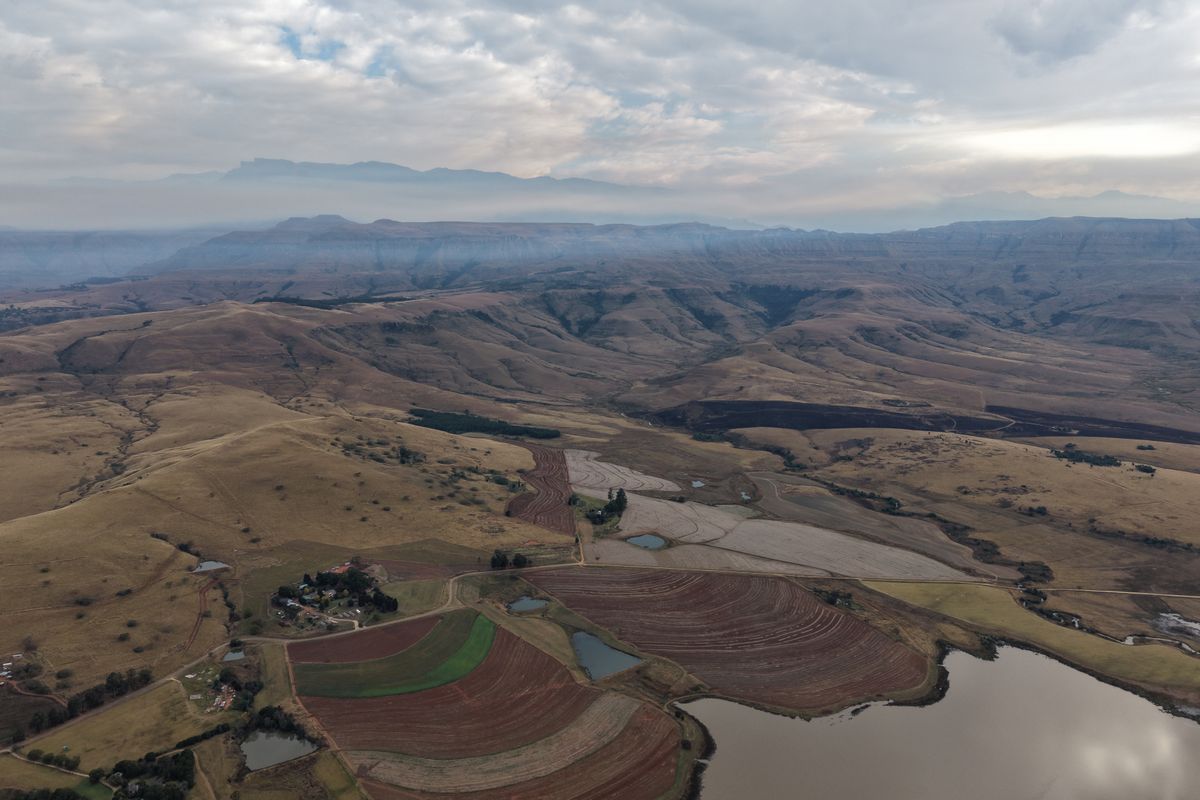
Blyde River Canyon
One of the world's largest green canyons, on the Panorama Route above the lowveld.
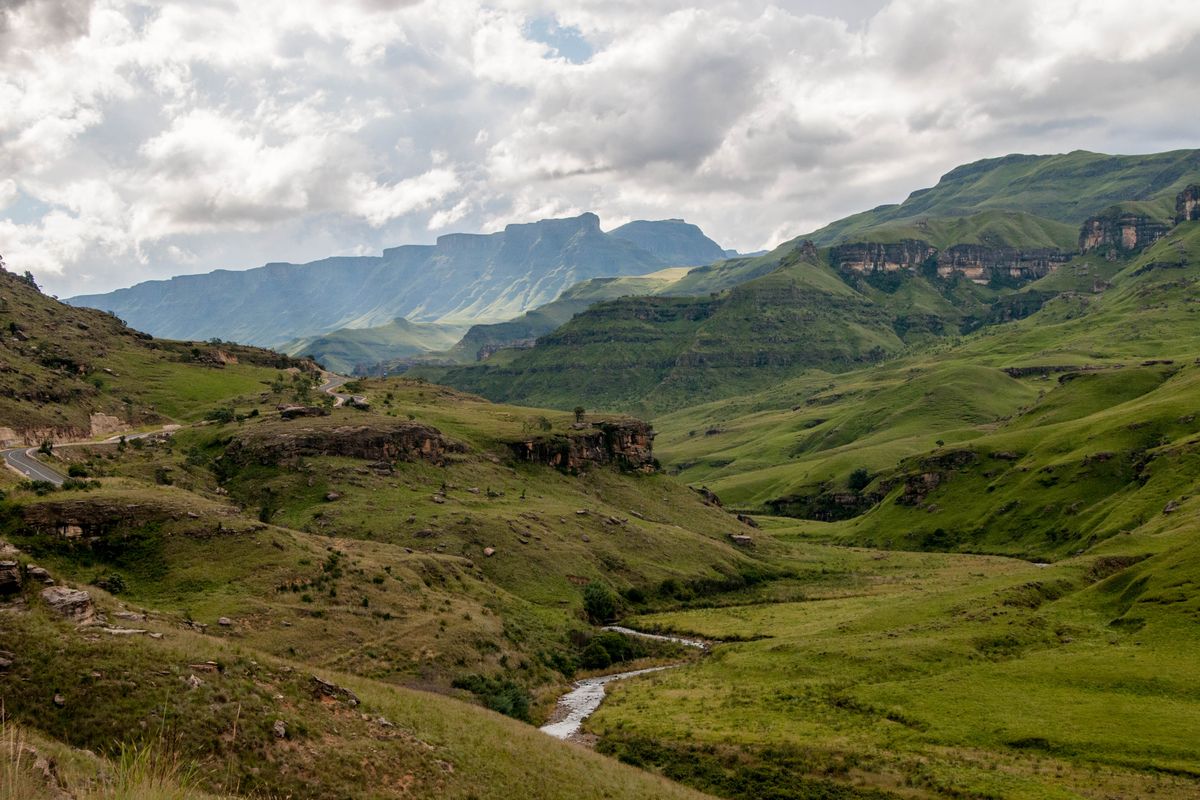
God's Window
A cliff-edge viewpoint on the Panorama Route looking out over the lowveld to Mozambique.
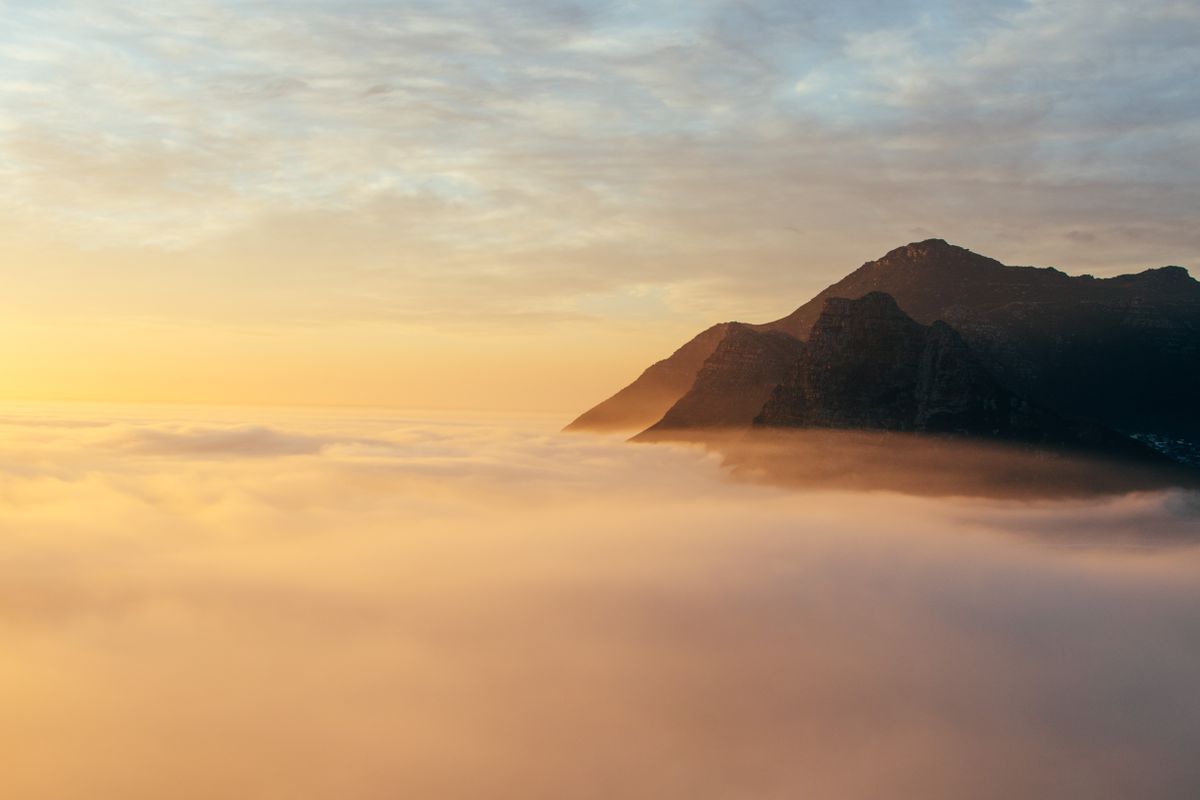
Three Rondavels
The three quartzite peaks across the Blyde Canyon — the iconic photograph of the Panorama Route.