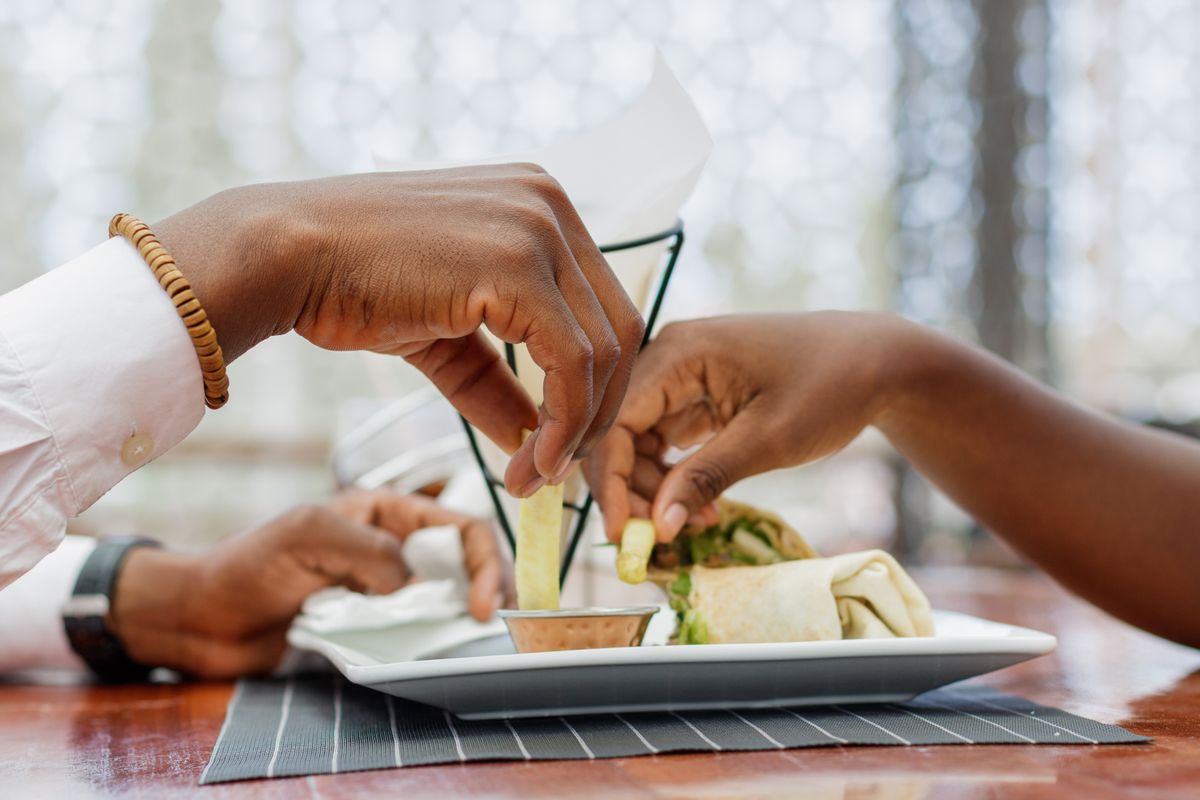
Bo-Kaap Kombuis
A Cape Malay restaurant on the slopes of the Bo-Kaap — bobotie, denningvleis, and the view over the city.
Trip Role
Ideal stay
Best for
Our take
Bo-Kaap Kombuis serves reliable, home-style Cape Malay cooking in a space that prioritises comfort and community. It is a sensible choice for those wanting a sit-down meal with a view of the city and Table Mountain.
Bo-Kaap Kombuis serves reliable, home-style Cape Malay cooking in a space that prioritises comfort and community. It is a sensible choice for those wanting a sit-down meal with a view of the city and Table Mountain.
- Trip Role
- Day Trip
- Ideal Stay
- 90 minutes to two hours
- Best For
- authentic Cape Malay curries, sweeping city views, family-style dining
- Skip If
- diners seeking alcohol, those in a rush
- Go If
- You want a relaxed, sit-down introduction to Cape Malay flavours like bobotie and denningvleis, and you value a view of the city skyline while you eat your lunch or dinner.
Why it's worth your time
Cape Malay home cooking with the Bo-Kaap view — bobotie, denningvleis, and the country's most colourful street out the door.
What we love
The restaurant feels like a genuine extension of a local home rather than a sterile tourist trap. The owners have deep roots in the neighbourhood, and the atmosphere is warm, unpretentious, and focused on sharing traditional recipes that reflect the history of the Bo-Kaap community.
What to know
Bookings are essential to avoid disappointment, especially for dinner or weekend slots. The restaurant is halal, so do not expect wine or beer; instead, try the falooda. Parking on the narrow, steep streets of the Bo-Kaap is limited, so arrive early or use a ride-share service to save yourself the stress of finding a spot.
The full guide
The Kitchen and the Vibe
Bo-Kaap Kombuis operates as a family-run kitchen that prioritises authentic Cape Malay flavours over modern culinary trends. The space is designed to feel like a home, with comfortable seating and a relaxed atmosphere that encourages lingering. It is not a place for a quick bite; the kitchen prepares food fresh, and the service reflects a slower, more deliberate pace. The restaurant sits high on the slopes of the Bo-Kaap, providing a vantage point that looks out over the city centre and toward Table Mountain. It is a functional, welcoming room where the focus remains on the heritage of the local community. You will find a mix of visitors and locals, all there for the same reason: to eat traditional dishes in a setting that feels connected to the history of the neighbourhood.
What to Order
The menu is a straightforward list of Cape Malay staples. The bobotie is the standard here, featuring spiced minced meat topped with a savoury egg-based custard. The denningvleis, a slow-cooked lamb dish flavoured with tamarind and spices, is another reliable choice. If you are unsure what to pick, the tasting platters allow you to sample a variety of curries and snacks, such as chilli bites and samosas. The kitchen does well with the classics, and the roti is consistently soft and warm. For dessert, look for the koesisters or the artappel porring, a traditional potato pudding that is difficult to find elsewhere. The drinks menu is alcohol-free, so lean into the local options like falooda or tea. The food is consistently prepared, though the specific daily specials can vary depending on the market and the kitchen's focus.
Planning Your Visit
The restaurant is located on August Street, which is a steep climb from the city centre. While you can walk up from Wale Street, most visitors prefer to take an Uber to avoid the incline. Parking is notoriously difficult in this part of the Bo-Kaap, so if you must drive, arrive well before your reservation to hunt for a space on the narrow streets. The restaurant is closed on Mondays, and hours vary between lunch and dinner services throughout the rest of the week. Because the space is popular, booking ahead is not just a suggestion; it is a requirement for a smooth visit. It fits well as a stop after a morning walk through the colourful streets of the neighbourhood, but do not try to squeeze it into a tight schedule.
Before you book
Questions Bo-Kaap Kombuis always raises
- Do I need to make a reservation?
- Yes, bookings are essential. The restaurant is popular with both locals and tourists, and it frequently fills up. You should call ahead to secure a table, especially if you are planning to visit during the weekend or for dinner.
- Is the restaurant halal?
- Yes, the restaurant is strictly halal. No alcohol is served on the premises. You can choose from a variety of non-alcoholic drinks, including traditional options like falooda, which is a rose-flavoured milkshake.
- Can I walk to the restaurant from the city centre?
- You can walk, but be prepared for a steep, uphill climb. The Bo-Kaap is built on the slopes of Signal Hill, and the streets are cobbled and narrow. Most visitors find it easier to take a taxi or ride-share service directly to the door.
- What is the best way to experience the food if I am new to Cape Malay cuisine?
- Order one of the tasting platters. This allows you to try a selection of the most popular dishes, such as curries, samosas, and chilli bites, in one go. It is the most efficient way to sample the range of flavours the kitchen offers.
More restaurant in Western Cape
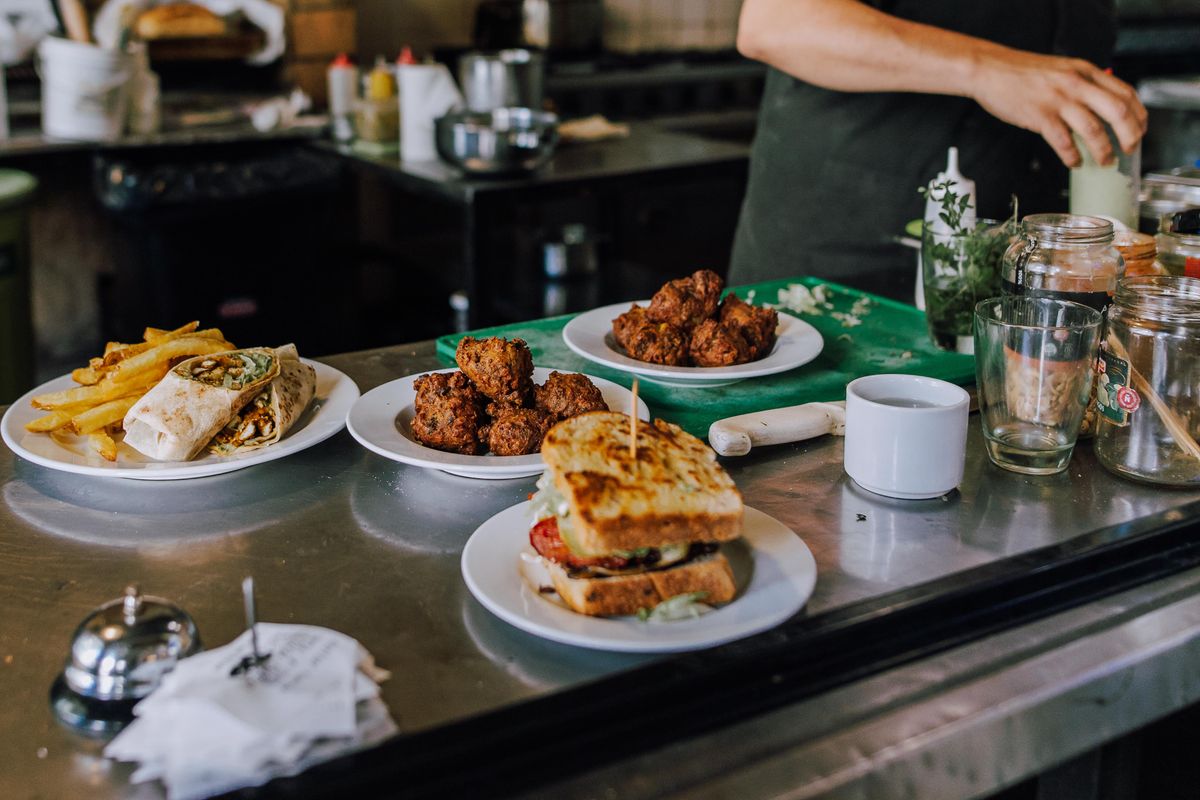
Emazulwini
A Cape Town Xhosa fine-dining restaurant — indigenous South African cooking elevated, in the V&A.

FYN
Modern African fine dining above the city centre — a skyline view, a Japanese-influenced kitchen, and one of Cape Town's most inventive menus.

Jordan Restaurant
A farm-to-table kitchen on the Jordan wine estate — a set menu rooted in the estate's garden, with the cellar next door.
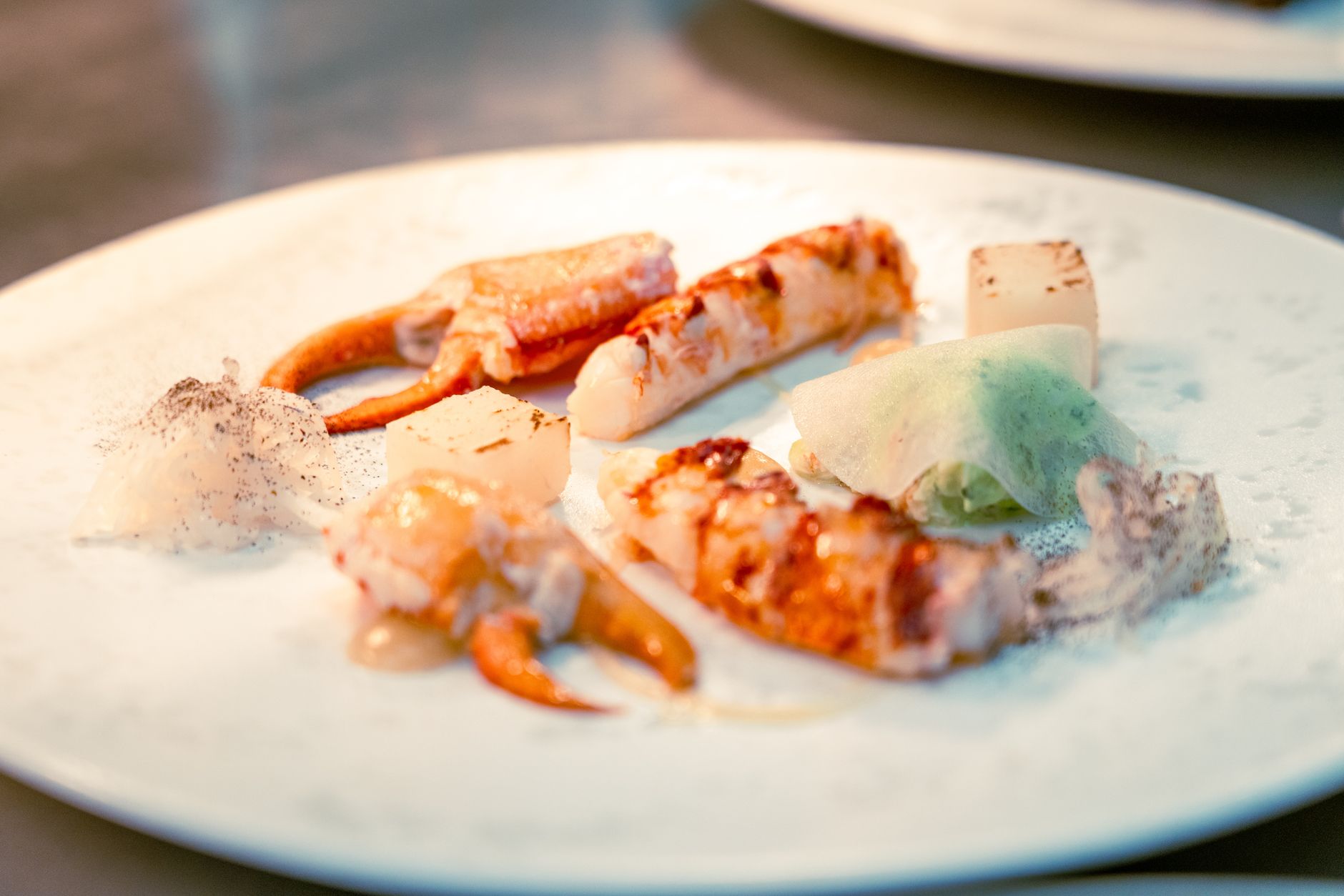
La Colombe
One of South Africa's most celebrated fine-dining restaurants, set in a treehouse above the Constantia vineyards — multi-course tasting menus and exacting technique.

Mariana's
A country kitchen and deli in Stanford — home-grown produce, slow lunches, and a roadside-orchard setting.
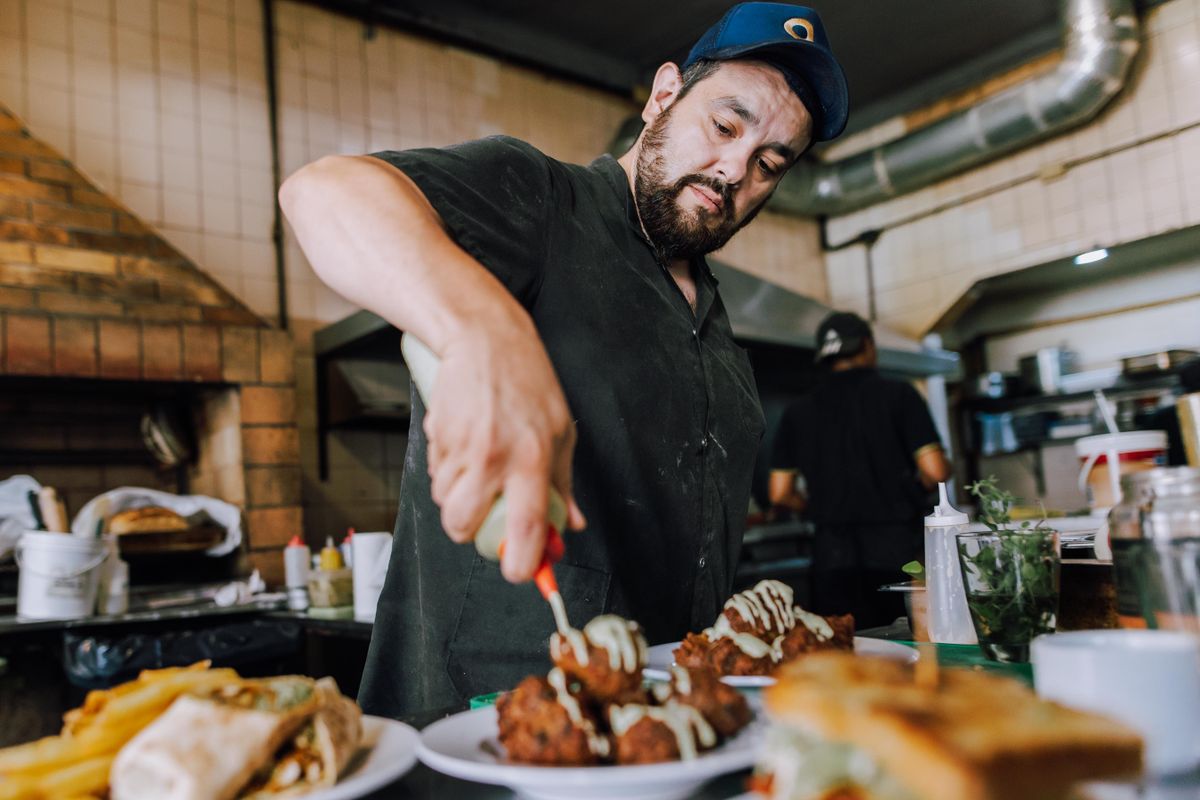
Mzansi Restaurant
A Cape Town township restaurant in Langa — Cape Malay cooking eaten at a communal table.